

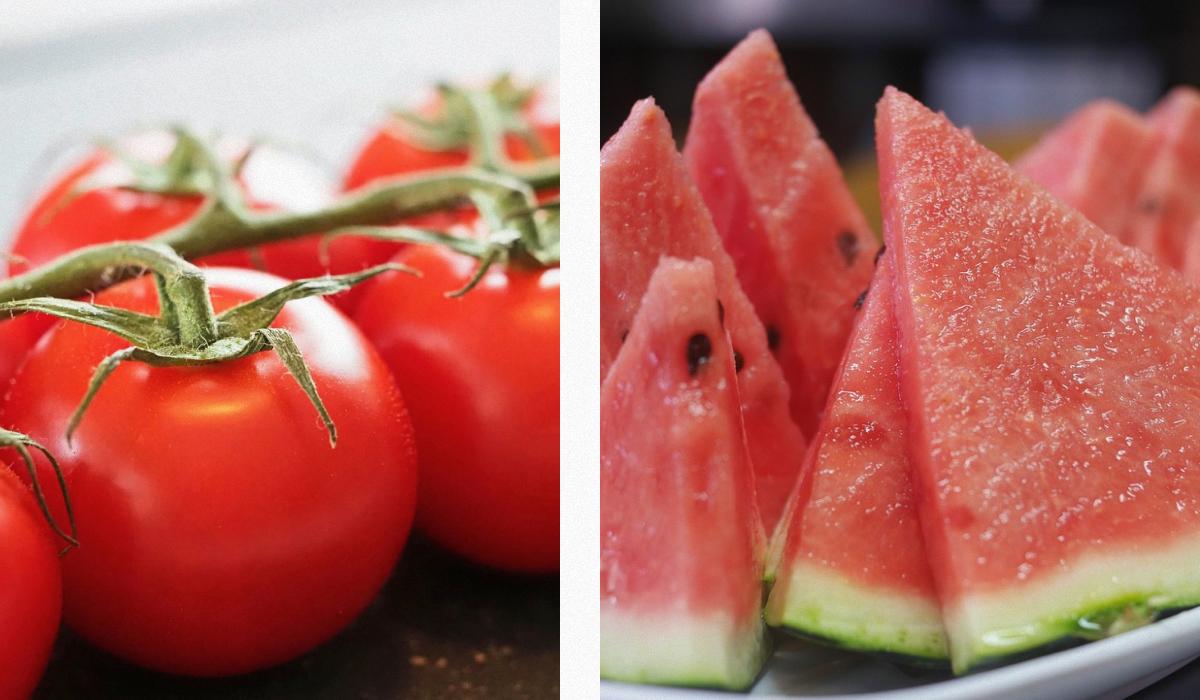
Tomatoes and watermelon both support heart health and daily hydration through distinct biological mechanisms, according to research published by health news outlet Verywell Health.
While tomatoes contain slightly more water by weight at 94 percent compared to watermelon at 92 percent, watermelon often provides more total fluid per serving due to larger portion sizes. Health experts note that while neither fruit can replace drinking water, both make significant contributions to daily fluid intake.
Many of the hydration benefits of both foods stem from potassium. Potassium is an essential electrolyte mineral that helps regulate cellular fluid balance and maintain body water levels. By drawing water directly into cells, potassium makes the hydrating effect of these fruits more functional for the body than plain drinking water alone.
In addition to hydration, both tomatoes and watermelon are rich in lycopene, a red carotenoid plant pigment with antioxidant properties that protect the heart and blood vessels. Current research supports including both items in a balanced diet to gain complementary cardiovascular benefits.
Lycopene and tomato benefits for cardiovascular health
Tomatoes rank among the richest dietary sources of lycopene. Scientific evidence indicates that lycopene helps reduce oxidative stress, an internal imbalance between damaging free radicals and protective antioxidants that leads to cell damage. Lycopene also reduces inflammation, both of which are key processes linked to cardiovascular disease.
A systematic review and meta-analysis showed that consuming tomatoes and taking lycopene supplements can improve several cardiovascular risk factors. These include contributing to a slight reduction in systolic blood pressure, which measures the pressure in blood vessels when the heart beats. The review also linked tomato consumption to improved levels of both low-density lipoprotein, commonly known as LDL or bad cholesterol, and high-density lipoprotein, known as HDL or good cholesterol.
Studies further revealed that the body absorbs lycopene more effectively from cooked tomato products, such as pasta sauces, than from raw tomatoes or watermelon. This absorption increases even further when cooked tomatoes are paired with a small amount of olive oil.
Watermelon amino acids and blood vessel function
Watermelon offers distinct cardiovascular advantages through L-citrulline, an amino acid featured in research published by academic publisher MDPI. Inside the human kidneys, the body converts L-citrulline into another amino acid called L-arginine.
L-arginine then promotes the production of nitric oxide, a key molecule that signals blood vessels to relax. Relaxing blood vessels supports healthy blood circulation and may help lower blood pressure levels.
A meta-analysis indicates that long-term intake of L-citrulline supplements and watermelon consumption can improve vascular function and reduce arterial stiffness, which refers to the loss of elasticity in blood vessel walls. Reduced stiffness lowers cardiovascular risk by making it easier for the heart to pump blood. However, researchers noted that data regarding other cardiometabolic indicators, including blood pressure, blood glucose, and lipid levels, remain less consistent and require further long-term study.
Storage guidance and health considerations
The findings follow previous reporting by Ukrainian news agency UNIAN, where a food technologist shared practical storage advice on how to keep watermelon fresh for as long as possible after purchase.
UNIAN also previously addressed dietary health questions regarding whether individuals with kidney conditions can safely consume watermelon on a daily basis.


