

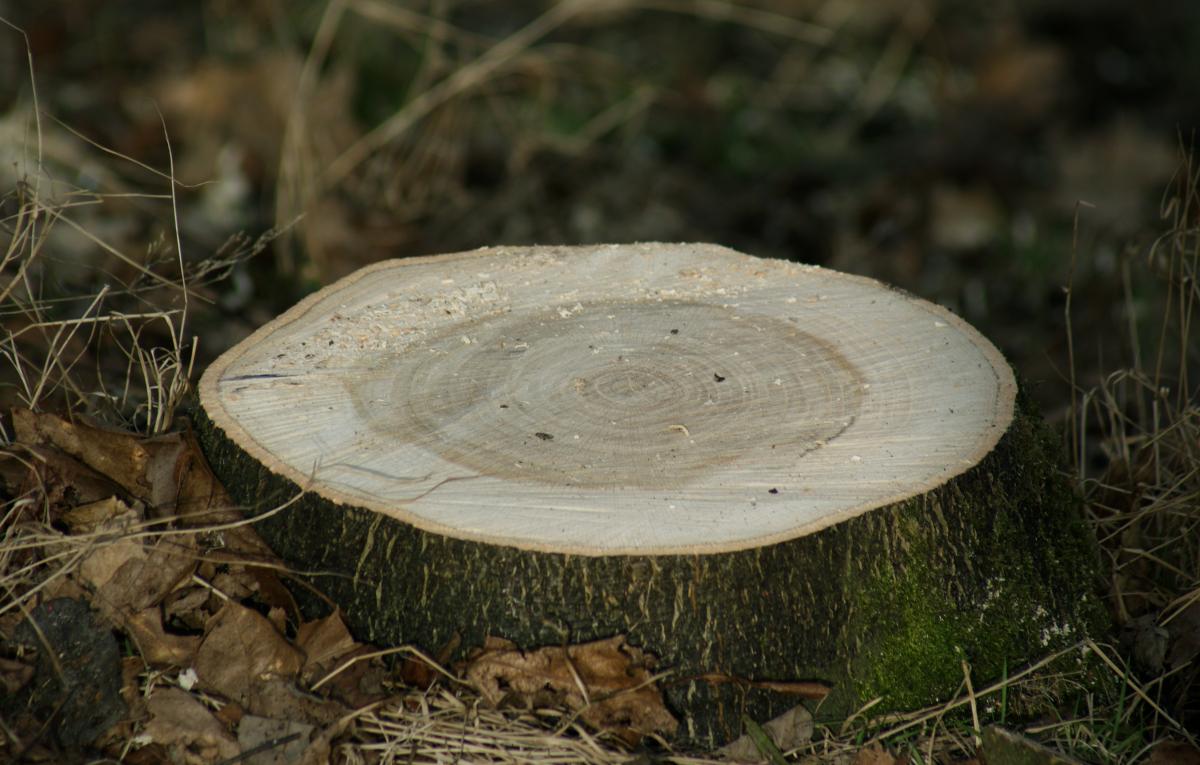
Gardening experts cited by Polish publication WP Kobieta have outlined simple, low-cost methods to eliminate tree stumps without hiring expensive excavators.
Cutting down a tree is typically only the start of garden work because the stump and its root system remain firmly in the ground. According to WP Kobieta, a lifestyle portal operated by media company Wirtualna Polska, leftover wood hinders regular site maintenance, degrades the aesthetic appearance of a yard, complicates lawn mowing, and creates a dangerous tripping hazard. Live roots can also produce persistent sprouts, leading many gardeners to assume that renting heavy equipment or performing hours of hard physical labor are the only solutions.
Experts explained that eco-friendly methods can automatically remove stumps through natural decomposition and simple chemical reactions, avoiding environmental harm. The process requires no digging across the garden, though proper preparation of the wood is essential. Gardeners should begin by drilling multiple deep holes into both the top and sides of the stump using a drill equipped with a long bit.
Baking soda and Epsom salt treatments
One established chemical method involves pouring a large quantity of baking soda into the drilled holes and adding spirit vinegar. The mixture of sodium bicarbonate and acetic acid triggers a chemical reaction that gradually softens and breaks down the wood fiber over several months. Once the trunk becomes soft enough, gardeners can easily extract it using basic manual hand tools.
Epsom salt, chemically known as magnesium sulfate, offers a similar alternative. Named after the town of Epsom in England, the mineral compound effectively draws moisture out of the wood, accelerating the natural dying and decaying process of the stump.
Biological removal using fungus mycelium
Another approach uses biological decomposition through specialized mycelium preparations, such as giant tinder fungus. Tinder fungus is a wood-decaying fungus species adapted to decomposing tree trunks naturally in forest ecosystems.
After introducing the mycelium solution into the drilled holes, the stump must be covered with a perforated plastic film. Experts stated that the film maintains proper air circulation while protecting the soil underneath from drying out. Over time, the fungus breaks down the trunk from the inside, converting the wood into nutrient-rich humus that enriches the garden soil.
Additional household advice from experts
The publication noted that experts previously offered advice on other household issues, including techniques to stop car doors from freezing in winter weather. They explained that door freezing usually occurs after rain, snowfall, or a visit to a car wash during cold weather. Specialists also shared methods for cleaning scorch marks and fabric residues off clothing irons, emphasizing that the technique is particularly useful for removing minor surface contamination.


