Two announcements in November 2026 drew attention to what happens to film costumes once the cameras stop rolling. On November 16, the Museum of Cinema in Moscow said it was preparing an exhibition called "What's Under the Queen's Dress," devoted to artists who design historical costumes. Two days later, in London, auction house Propstore unveiled lots for its upcoming sale, including Christian Bale's Batman suit from "Batman Begins" and the costume worn by the villainous Superman in the third film of that franchise.
The Propstore auction, set for December 4-6, will offer more than 1,400 items from film and television with a combined pre-sale estimate of 10 million pounds. The Batman costume alone carries an estimate of 125,000 to 250,000 pounds.
Some costumes end up as museum pieces, while others pass into private collections and sell at auction for hundreds of thousands of dollars. But not every costume survives the shoot itself, let alone the decades that follow.
From one film to the next
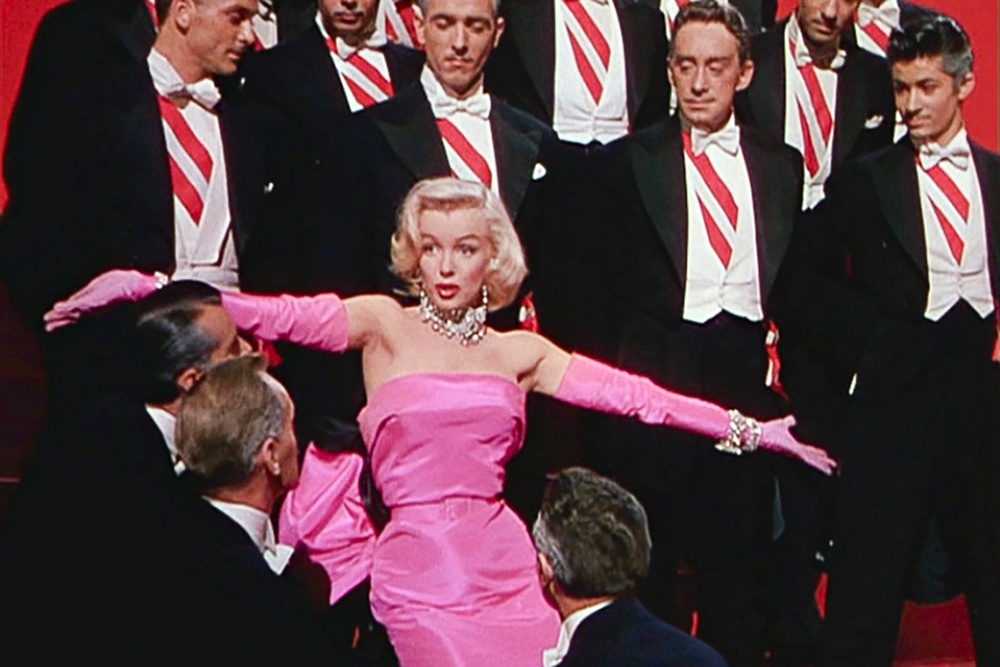
When a costume is made, it is rarely treated as a future museum piece. Marilyn Monroe's pink dress in "Gentlemen Prefer Blondes" (1953), for example, was created by costume designer William Travilla for one specific musical number. It needed to look striking on camera while letting the actress move freely. Today the dress is considered a symbol of Hollywood's golden age and is on display at the Academy Museum of Motion Pictures in Los Angeles.
Screen fame does not always guarantee a costume's survival. Natalia Zamakhina, a costume designer who has worked at the Lenfilm studio since 1986, said that after a production wrapped, costumes usually went back into the studio wardrobe, where they could be recut, altered or adapted for other characters.
Zamakhina recalled how a wealthy duchess's gown could be turned into a poor heroine's dress for another film. She said she changed costumes to fit new roles, sometimes managing to partially restore the original look but other times making changes that could not be undone. The practice saved time and resources, she said, but meant a costume gradually lost its connection to the productions it had come from.
Who decides a costume's fate
In today's film industry, what happens to a costume afterwards largely depends on who owns it. Zamakhina said costumes often remain with the producer who financed them, who can keep the item, pass it on to a future project, or sell it to a collector.
Nikita Frolov, an expert in culture and the creative industries, said the Russian film industry has no established system for preserving significant costumes once filming ends. There is no mandatory process for selecting items for museum collections, no dedicated funding for their upkeep, and no set procedure for handing them over to archives, he said.
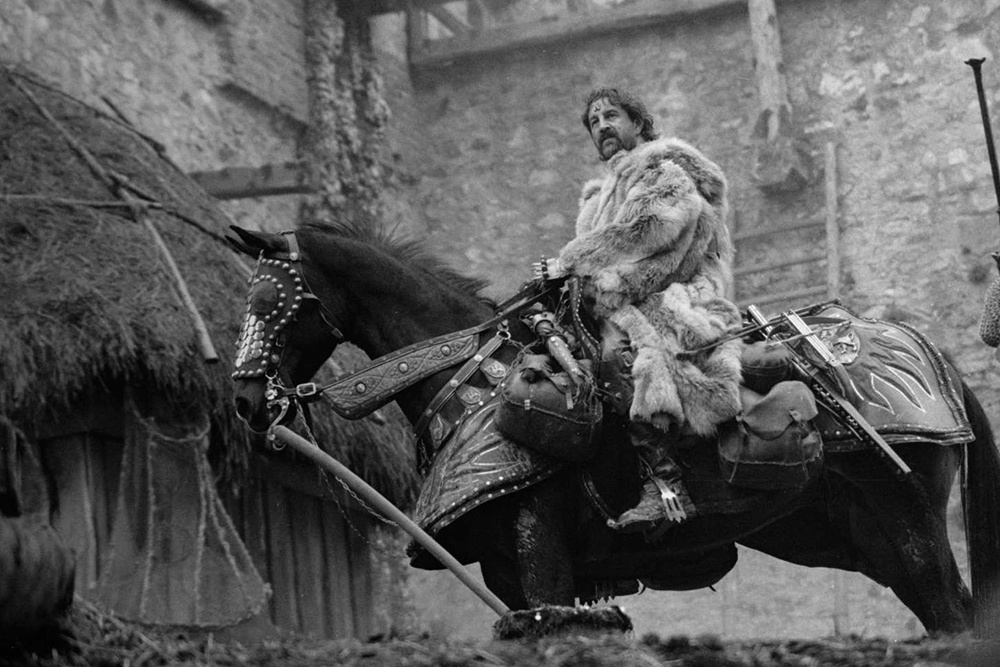
Producers sometimes do decide to preserve costumes as part of a film's artistic world. That happened with Aleksei German's "Hard to Be a God." Some of the costumes designed by Ekaterina Shapkaits for the film were kept after shooting and later featured in exhibitions.
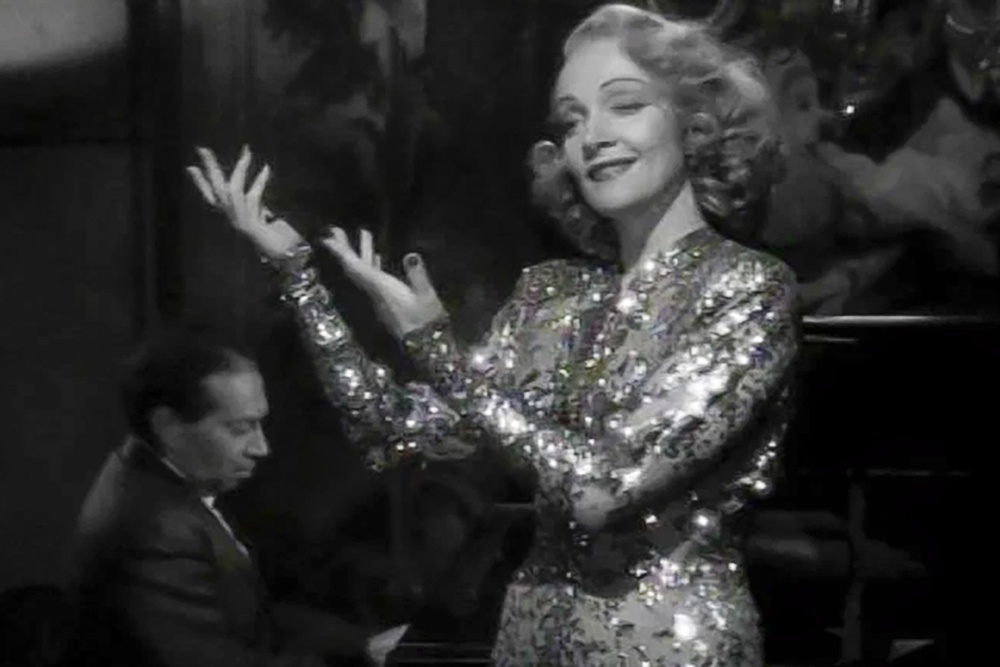
Private collecting is another path to preservation. In 1993, Berlin bought Marlene Dietrich's personal collection from her daughter, including thousands of items such as stage and film costumes, and gave it to the Deutsche Kinemathek film archive. Among the pieces is a gold dress Dietrich wore while performing for American soldiers during the Second World War, which she later wore again in a film.
Proving a costume is genuine
Zamakhina said the period in which a costume was made can sometimes be identified from its fabric and cut, but proving it belonged to a specific actor or film is much harder. She said claims linking garments to famous historical figures deserve particular caution, since a well-known name raises an item's value without, on its own, proving it is authentic.
Irina Karapetova, an associate professor at the Financial University under the Government of the Russian Federation, said detailed records must be kept alongside any costume: which film it was used in, who wore it, what changes it underwent after filming, and where it was stored. Without that documentation, she said, it becomes harder over time to reconnect an item with its place in film history.
One telling example is an emerald silk velvet dress in MGM's costume collection. Sharon Shore, the collection's curator, wrote in 2013 that its screen history could not be established. The only surviving marks inside the garment were a size and an inventory number; the film's title and the name of the actress who wore it remain unknown.
Preservation is more than storage
Frolov said light exposure is one of the main causes of textile damage, which forces museums to balance letting visitors see exhibits against protecting them from harm. Stable temperature and humidity matter just as much, he said.
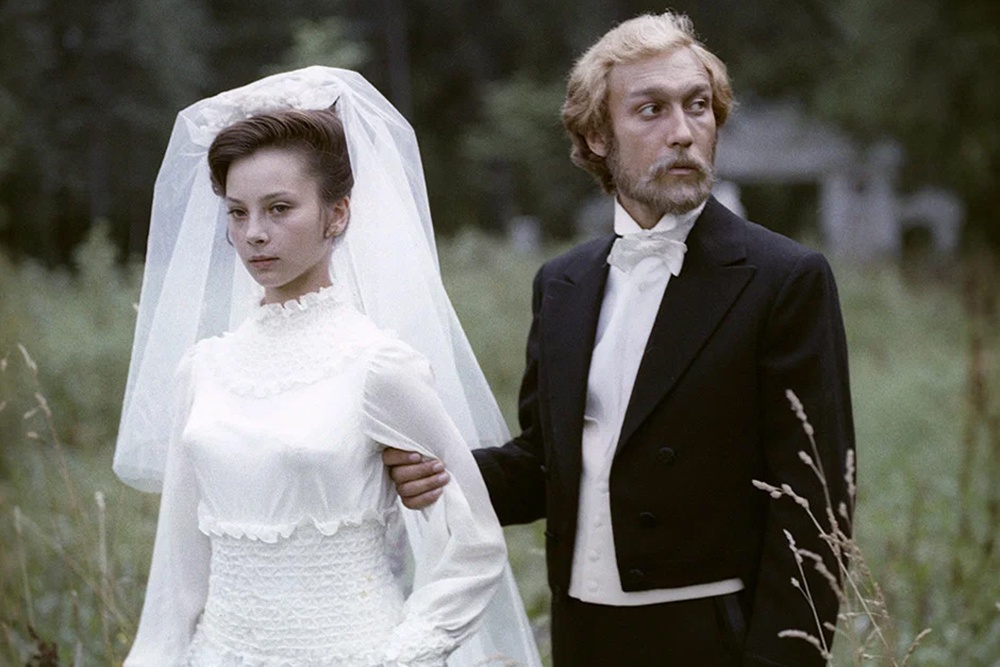
Mosfilm studio saw the downside of long-term display firsthand. The dress worn by Galina Belyaeva's character in "My Affectionate and Tender Beast" was exhibited at the studio for years, during which the fabric faded and developed a stain. Conservator Tatiana Stepanova restored the costume, removing the stain and matching paint to bring the material back to its original color.
Even a collection with funding behind it is no guarantee every item survives, Frolov said, adding that Russia lacks enough specialists in textile preservation, since costume restoration remains a narrow professional field.
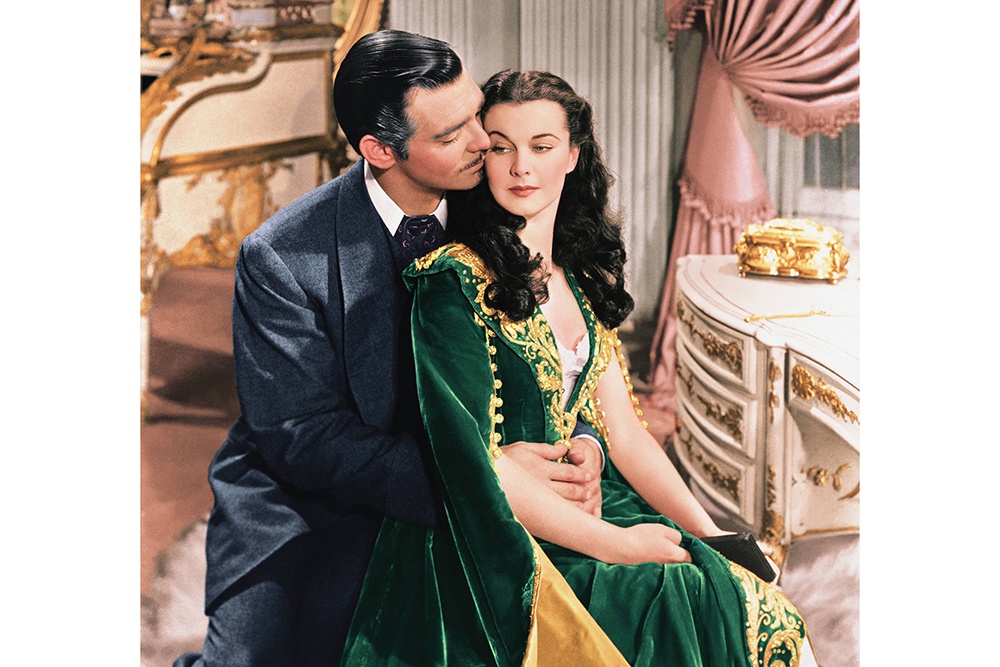
Another example is the five dresses Vivien Leigh wore as Scarlett O'Hara in "Gone with the Wind," now held at the Harry Ransom Center at the University of Texas. They include the famous green dress made from curtains. Before entering the museum's collection, the costumes were exhibited repeatedly and became fragile. In 2010, the museum launched a fundraising campaign for their restoration. More than 600 people from 44 U.S. states and 13 countries helped raise the needed $30,000, and the restoration work took more than 180 hours.
When film heritage becomes an auction lot
Hollywood's history shows that even major studios have not always recognized the value of their own costume collections. In 1970, MGM sold off sets, props and costumes from famous films to clear out its warehouses, and information about their origins was often lost along with the items.
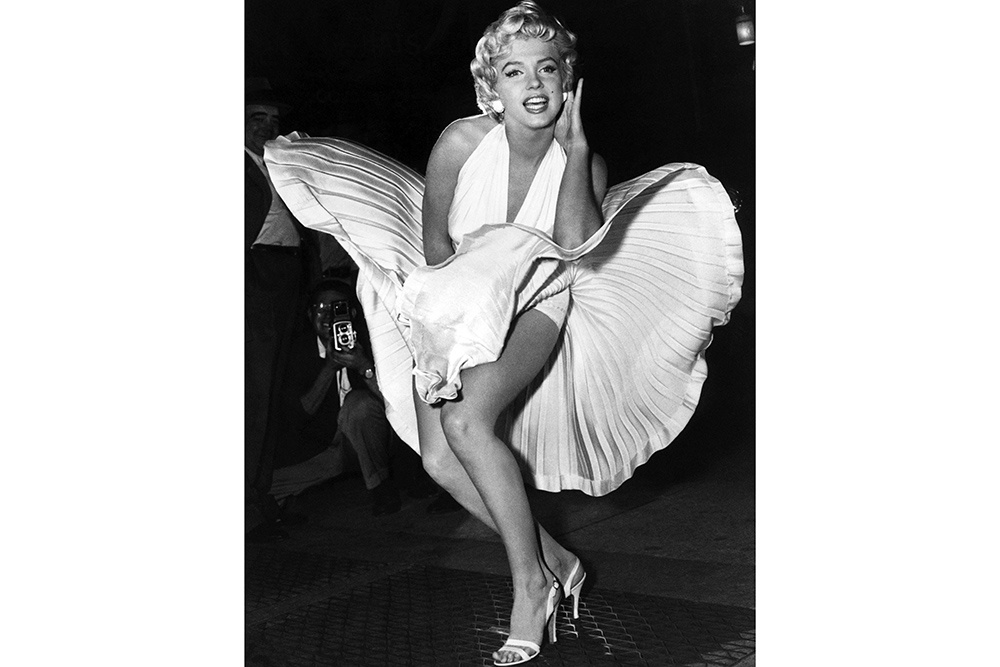
Some costumes were saved by collectors. Among them was actress Debbie Reynolds, who began collecting Hollywood clothing and props after the MGM sale. Her collection grew to more than 3,500 costumes. Reynolds hoped to open a museum of film history but was never able to make it happen. In 2011, her collection went to auction, where Marilyn Monroe's white dress from "The Seven Year Itch" sold for $4.6 million.
The upcoming Propstore sale in December again shows how sought-after original film items remain. Once sold, their fate will depend on their new owners, who may place them in private collections, donate them to museums, or keep them out of public view altogether.
The future of screen heritage
Frolov said that until a mechanism exists to select and transfer significant items from film sets to museums, with funding for their preservation, the physical history of Russian cinema will keep disappearing while audiences still remember the films.
Karapetova said digital archiving could become one tool for preserving film heritage, since high-resolution photographs and 3D models allow the construction of a garment to be studied without subjecting the original to physical handling.
A costume becomes part of cultural heritage not simply because it appeared on screen, but because it is preserved as evidence of film history. That requires protecting the item itself, establishing its origin, and passing its story on to future generations. Without that, decades later all that may remain of a familiar image is a frame from the film, with no way to see the object that helped create it.
What happens next
Propstore's auction of more than 1,400 film and television items, including the Batman costume, is scheduled for December 4-6 in London.
Test yourself
What is the estimated value of Christian Bale's Batman costume at the Propstore auction?
Who restored the faded dress worn by Galina Belyaeva's character at Mosfilm?
How much did fundraisers raise to restore Vivien Leigh's "Gone with the Wind" dresses?