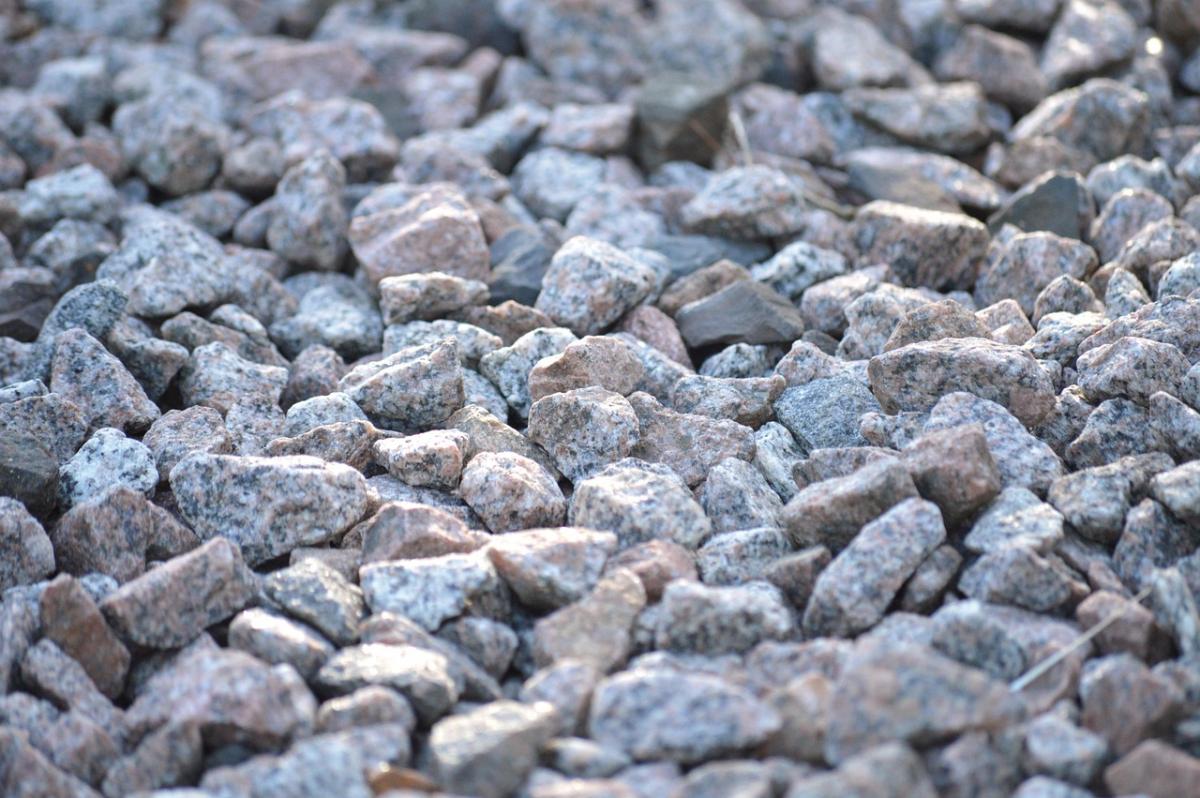
Homeowners who line the base of their house with decorative white stones for a neat, low-maintenance finish may be setting themselves up for a soggy surprise once the first heavy autumn downpour hits, according to the home and design outlet The Coolist.
The outlet explains that water passing between the stones does not automatically mean it is draining away from the house properly. The stones let rain soak into the soil underneath, but where that water goes next depends entirely on the slope of the ground. If the land tilts toward the house, or there is a dip near the foundation, rainwater can pool along the outer walls instead of running off.
After a heavy downpour, the flaws in this setup become easier to spot. Fine soil particles wash out from the edges of the stones, dark stains appear on the stones themselves, and water can build up directly against the foundation.
The 15-centimetre rule
The Coolist cites American guidance on protecting homes from moisture damage, which recommends that the ground within three metres of a house should drop by at least 15 centimetres over that distance. In other words, the soil three metres from the wall should sit 15 centimetres lower than the ground right next to the building.
There is a second rule as well: the soil level should also stay at least 15 centimetres below the bottom edge of the house's facade cladding. According to the outlet, these are two separate requirements, and together they help stop water from collecting against the walls and limit moisture damage to the facade.
Weeds still find a way
Stones do slow weed growth at first, since they cover the soil and cut down the light reaching it. Over time, though, dust, grass clippings, fallen leaves and windblown soil particles build up between the stones, forming a layer where weed seeds can take root, The Coolist notes.
Perennial weeds can also keep growing from roots left underneath the stone layer, and pulling them out is difficult because the roots tangle around the stones. So while the stones can slow weeds down, they cannot stop them completely, according to the outlet.
For garden paths and purely decorative areas, stones can still be a practical choice, especially when edged with borders that stop them spreading. But along the outside walls of a house, proper water drainage matters more than anything else, The Coolist says.
How to fix a bad slope
If water is pooling near the house, the outlet recommends checking the condition of the soil underneath the stones, ideally during dry weather. The stones should first be cleared onto a tarp or into a wheelbarrow, then part of the covering lifted to inspect the ground beneath.
After clearing away weeds and roots, the slope of the area should be checked using a straight board roughly three metres long together with a spirit level. If the ground is flat or tilts toward the house, it needs to be reshaped so the soil is higher next to the wall and gradually drops off toward the garden, ending up at least 15 centimetres lower three metres out, matching the same guidance cited above.
Any dips should be filled with soil that compacts well rather than more stones, added in thin layers and tamped down one at a time so new low spots do not form later where water could collect again. The height of the top layer also needs watching, so the stones do not end up covering the bottom edge of the facade cladding.
The outlet also advises checking where water from the downspout ends up. If it drains straight down near the foundation, it should be redirected further from the house so it does not soak back into the area that has just been corrected.
When to call in a specialist
Only once the slope has been properly corrected should a water-permeable geotextile fabric be laid down, The Coolist says. This separates the soil from the stones and limits the two from mixing together. The stones can then go back on top, with borders helping to keep them within the decorative area.
The outlet warns against using impermeable plastic sheeting instead, since it blocks water and air from passing through the soil. It is also important that stones do not cover ventilation openings low on the house, drainage outlets, or touch the facade cladding directly.
If achieving the right slope is not possible, The Coolist recommends calling in a drainage or foundation repair specialist. Persistent puddles, a damp basement, white mineral deposits on the walls, and washed-out soil can all point to a more serious problem, the outlet says, one that may require reshaping the land around the house or installing a drainage channel or system. Simply adding more stones will not fix the underlying cause.
What happens next
The Coolist advises homeowners who cannot achieve the correct slope themselves to call in a drainage or foundation repair specialist, as the issue may require a drainage channel or system rather than more stones.
Test yourself
According to the guidance cited by The Coolist, how much should the ground drop within three metres of the house?
What problem can develop between decorative stones over time, according to the article?
What does the article recommend laying down only after the slope has been corrected?
Have your say
Would you use decorative stones along your house's foundation?