


The Yellowstone spinoff series Marshals returns to CBS for its second season on October 4 with an expanded order of 18 episodes.
The new installment starring Luke Grimes expands significantly on its predecessor, adding five extra episodes beyond the 13 produced for its debut run. While the October release applies to viewers in the United States, streaming service SkyShowtime has not yet confirmed an official premiere date for Spain, though previous release patterns suggest it could arrive shortly after its American debut.
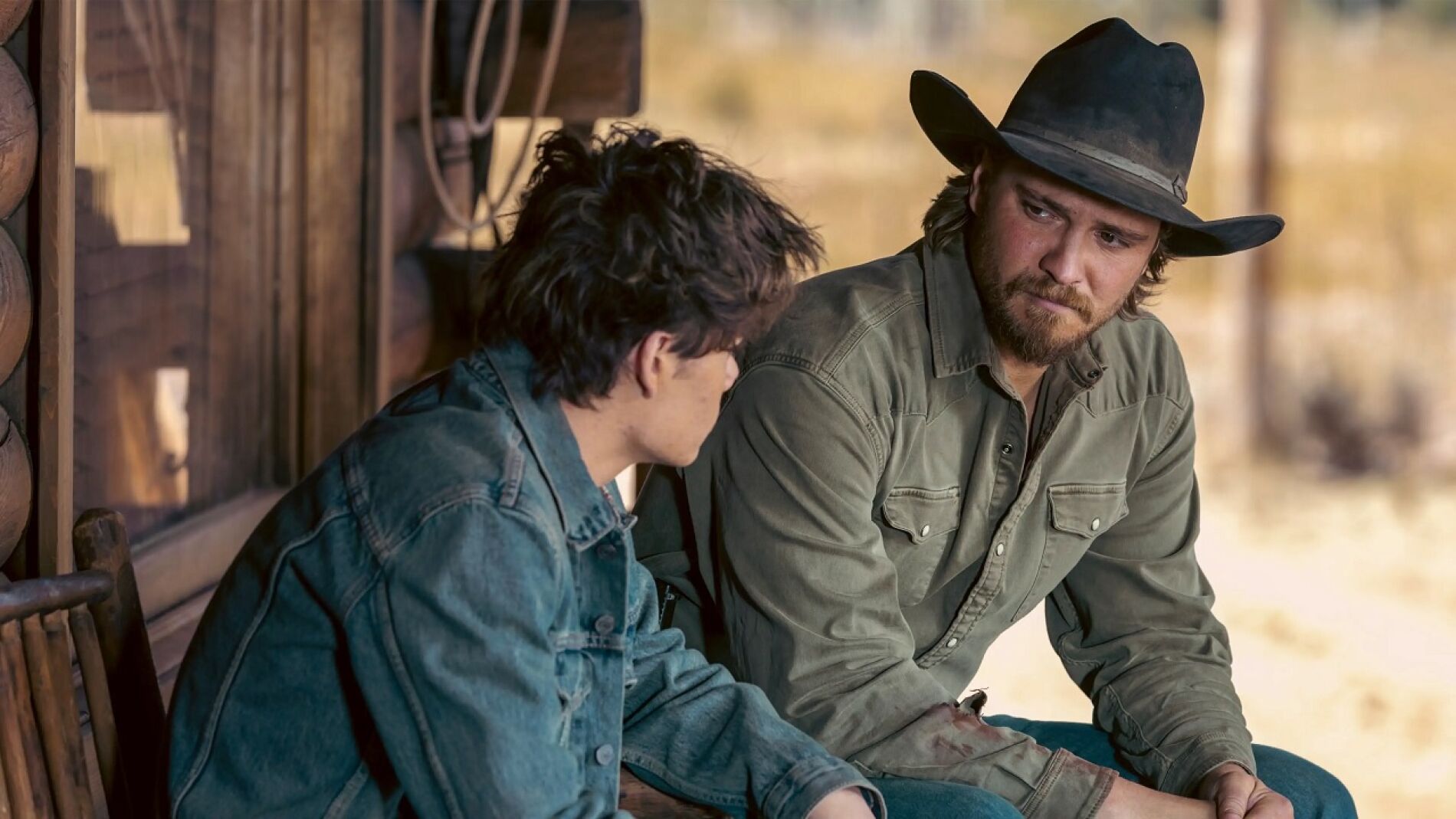
The series represents the latest expansion of the western television franchise built by creator Taylor Sheridan since 2018. The universe began with the flagship drama Yellowstone, which redefined contemporary television westerns and sustained its massive popularity through to its final season despite the high-profile departure of lead actor Kevin Costner.
Expanding the Yellowstone Universe
Sheridan has steadily broadened the narrative scope of the Montana saga across different historical eras. The franchise previously launched the prequel series 1883 and the recently concluded 1923, with another historical prequel titled 1944 currently in development. Additionally, the network has announced The Madison, an upcoming sequel series starring Michelle Pfeiffer and Kurt Russell.
In Marshals, the narrative pivots to law enforcement on the modern frontier. Luke Grimes reprises his role as Kayce Dutton, who leaves behind daily life at the family ranch to join an elite U.S. Marshals unit. Operating across Montana, the character combines his cowboy instincts with his previous training as a Navy SEAL as he navigates a violent territory where family loyalty and institutional justice intersect.
A Procedural Shift in Frontier Justice
Based on the initial episodes, the series marks a structural departure from the original Yellowstone drama. Rather than focusing on grand family power struggles, the narrative adopts a contemporary procedural format structured around self-contained weekly cases. The story frames the open landscape less as inherited property and more as a frontier requiring federal surveillance and institutional oversight.
The emotional core of the series relies on Grimes' introspective performance as a veteran officer coping with the psychological strain of public service. Rather than emphasizing lineage and legacy, the story explores the daily reality of law enforcement, tracking how immediate tactical decisions collide with personal duty, memory, and the constant burden of frontier violence.