


Alfonso Mato Yllera has taken over as general director of the Spanish jewellery and auction house Ansorena following the recent death of chief executive Jaime Mato García-Ansorena.
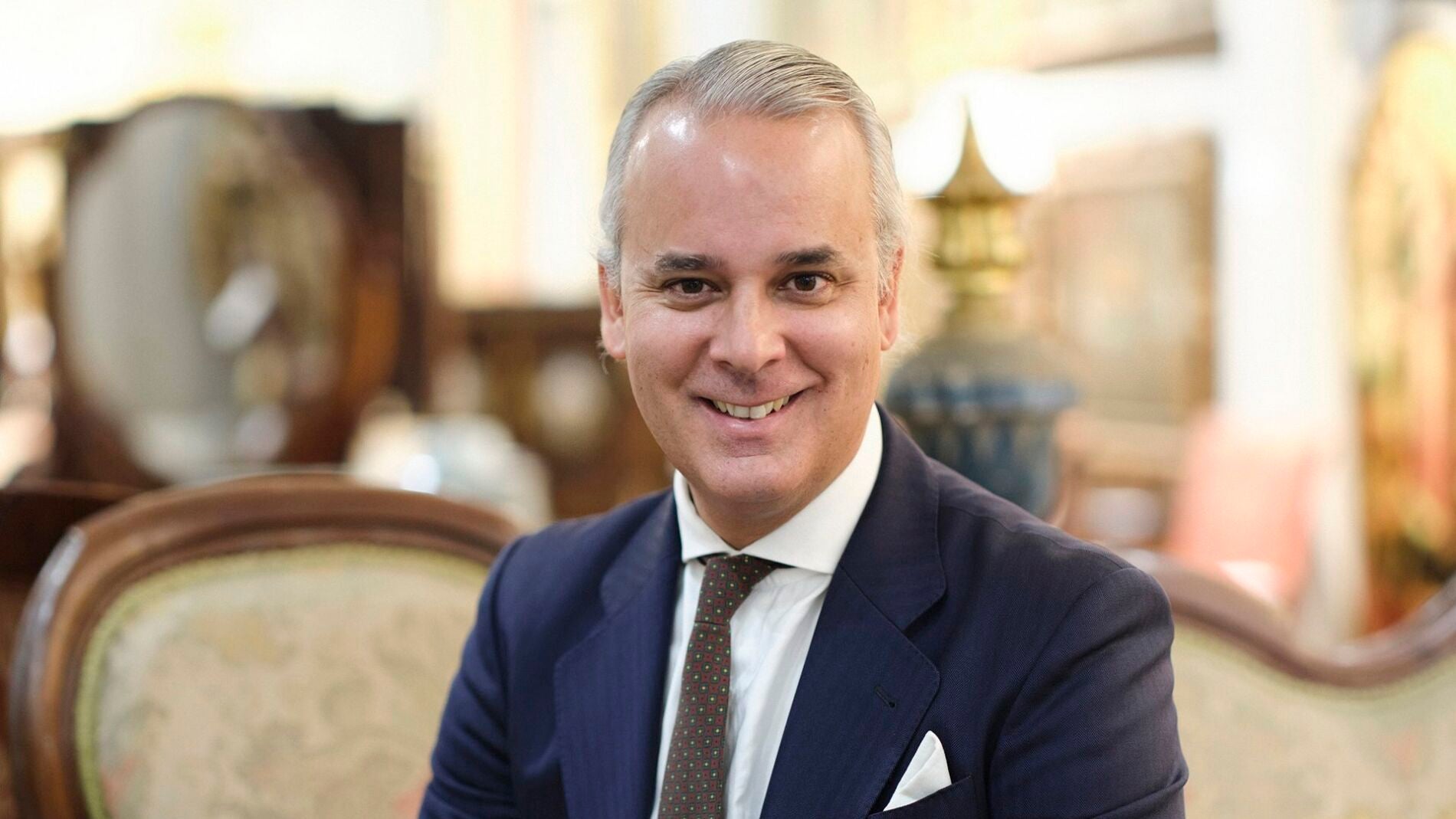
A member of the sixth generation of the founding family dynasty, Mato Yllera steps into the role at a delicate moment for the Madrid house. The death of Jaime Mato García-Ansorena, who played a central role in consolidating and modernising the company over recent decades, has been a heavy blow to both the family and Spain's wider art and jewellery sector.

The appointment responds to both business logic and family circumstances at one of Spain's most emblematic firms, whose history spans more than 180 years. Following the loss of Jaime Mato García-Ansorena, the responsibility of preserving and projecting one of the major names in Spanish family business into the future rests on a new generation.
Speaking to journalist Ana S. Juárez of the Spanish newspaper Diario La Razón in an interview conducted two weeks before Jaime Mato García-Ansorena's death and scheduled for publication around this time, the new general director reflected on the company's heritage and the challenge of winning over a new generation of collectors.
Custodianship and corporate banking background
Rather than viewing the family surname as a burden, Mato Yllera treats his appointment as a responsibility that he approaches with enthusiasm. He said that being chosen by his family to lead the house was a source of enormous pride, and that he accepted the post aware that he is not the owner of its history, but its custodian for a period of time.
He explained that he weighs every decision from a dual perspective: what Ansorena needs today and what legacy he wants to hand over to whoever succeeds him. In a firm dating back nearly two centuries, true success lies not only in conserving the heritage received, but in passing it on strengthened to its future custodians.
Before joining the family business, Mato Yllera built an extensive international career in corporate banking, gaining experience in strategy, financing and business growth. That background brings a global outlook to a market in which luxury, fine art and collecting increasingly operate without borders.
Beyond technological shifts and new consumer habits, Mato Yllera said one core principle remains unchanged from generation to generation. He said that what unites everyone at the firm is respect for the piece and for the client, combined with the patience to think in the long term, which carries more weight than any quarterly figure.
Spanish royal jeweller since 1860
Founded in Madrid in 1845 by Celestino Ansorena, the company is both one of Spain's oldest high jewellery houses and a benchmark in the fine art and jewellery auction market, where trust and expert knowledge remain the primary assets. Headquartered on Madrid's Calle de Alcalá, the firm has been closely linked to the Spanish Crown for most of its existence.
In 1860, Queen Isabella II, who reigned over Spain from 1833 to 1868, granted the firm the title of Jeweller and Diamond Merchant to the Royal Household, a distinction that permanently shaped the company's path. Decades later, several of the most recognisable pieces in the Spanish royal collection remained tied to the house.
The best-known example is the Fleur-de-Lys Tiara, known in Spain as the Tiara de las Lis, which has become one of the great symbols of the Spanish monarchy and has been worn by several generations of queens. Created by Ansorena in 1906 for King Alfonso XIII as a wedding gift for Princess Victoria Eugenie of Battenberg, the diamond emblem remains part of the core collection passed down between Spanish queens.

Royal heritage and market provenance
The house also crafted pieces for later members of the royal family, including the diamond Marichalar tiara worn by Infanta Elena, the elder daughter of former King Juan Carlos I, at the Danish royal wedding in 2004. Beyond the brilliance of those royal jewels, Mato Yllera insisted that the firm's historic heritage must be managed with prudence.
He said the royal connection forms part of Ansorena's identity and is a source of pride because it reminds the company that it has participated in important moments of Spain's history. However, he added that it is a heritage that must be cared for with discretion and respect rather than turned into a simple commercial gimmick.
In the current market, he added, that legacy translates into three concrete qualities: trust, provenance and rigour. Anyone who buys or sells with the house knows that an established track record backs every piece.
Digital auctions and younger collectors
Trust has become a key differentiator in an auction market undergoing deep transformation. Auction rooms are no longer spaces reserved for a small circle of experts, as digitalisation, wider access to information and internationalisation have radically altered the profile of buyers in recent years.
Mato Yllera described today's collector as younger, more global and better informed than a few years ago. Modern buyers research before purchasing, follow auctions from anywhere in the world, compare options and place a high value on transparency regarding provenance, condition and documentation.
At the same time, traditional collectors continue to carry significant weight in the business. Mato Yllera said the traditional buyer still looks for classic art and high jewellery and values personal service and the physical auction room, whereas buyers arriving through digital channels seek convenience and accessibility and tend to be more open to new disciplines.
High-end watches and signed historical jewellery
Mato Yllera noted that both buyer profiles coexist within the firm, and that Ansorena's challenge is to offer both groups an experience that meets their standards. The coexistence of traditional and digital clients explains several current trends across the market.
While capital continues to concentrate in major names of modern art and pieces with documented provenance, categories such as high-end watchmaking and signed historical jewellery are gaining prominence among younger generations of collectors.
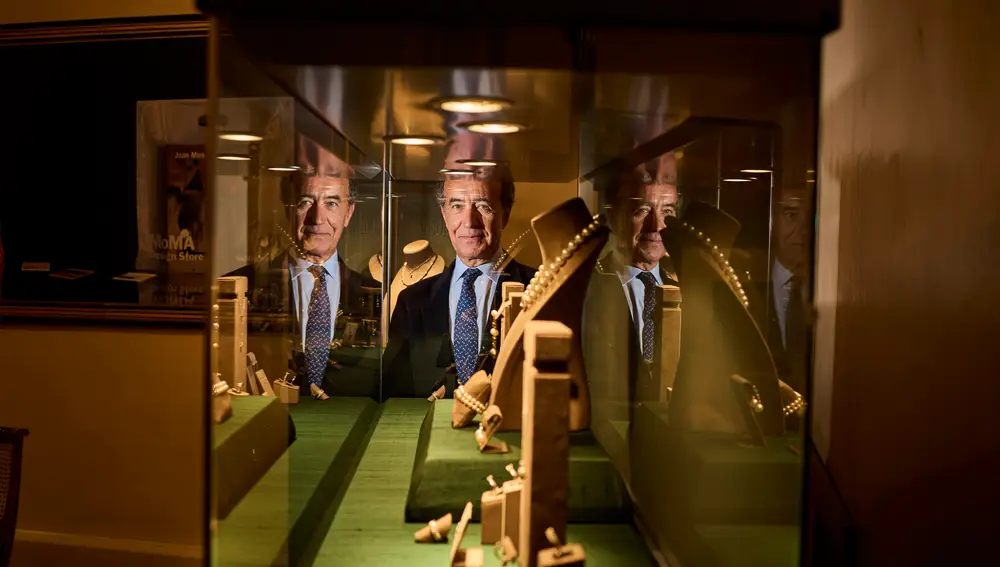
Combining prestige built over nearly two centuries with the ability to adapt to new consumer habits gives the Madrid house an opportunity to connect with younger buyers seeking investment, exclusivity and authentic stories behind every acquisition. Observing the sector, Mato Yllera noted that behind every jewel, watch or work of art, there is always a human story.


