

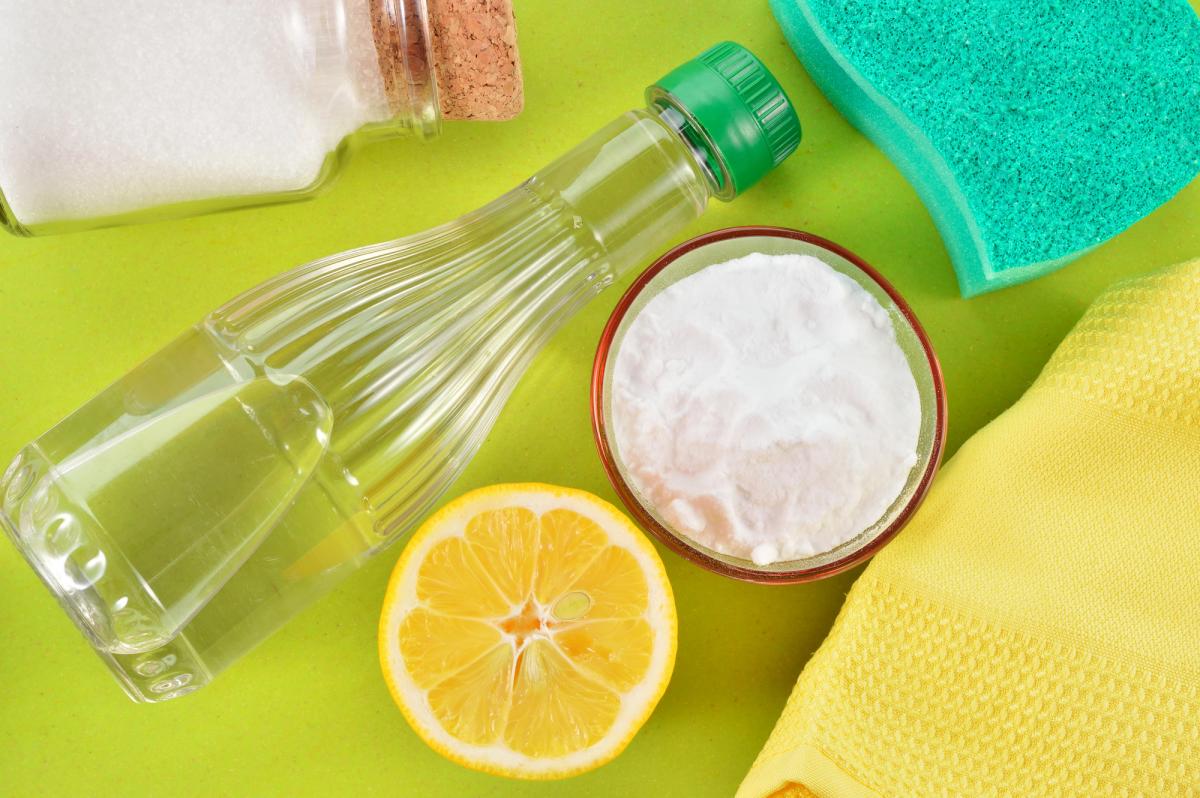
Mixing baking soda, vinegar, and lemon juice neutralises the active cleaning agents in the solution, experts reported in Grazia lifestyle magazine.
The combination has become a popular natural cleaning hack on TikTok and social media, where users also promote the mixture as an alkaline health shot. However, chemical experts and health professionals warned that combining alkali and acids largely cancels out the beneficial properties of each ingredient.
Baking soda consists of sodium bicarbonate, which is a weak alkali. White vinegar contains mostly acetic acid, while lemon juice provides citric acid. When these household items are mixed in a glass, the acids react immediately with the baking soda to form carbon dioxide gas, water, and dissolved salts such as sodium citrate. The rapid release of carbon dioxide creates the dramatic foaming action that makes the mixture appear powerful.
The chemical reaction consumes the alkalinity that makes baking soda effective for cleaning. Once the initial fizzing subsides, the remaining liquid reaches a pH level that is close to neutral, ranging between slightly acidic and nearly neutral depending on the exact proportions used. Although the resulting solution is less potent than its individual components, the physical movement of the gas bubbles can still help dislodge dirt from small crevices.
How to Clean Drains and Kitchen Bins
The mixture still retains mild grease-dissolving capabilities from the remaining acids, along with gentle abrasive qualities from any undissolved baking soda. Educational programs at major universities noted that the trio can loosen limescale, soap scum, and light grease around the home. For kitchen sinks and drains that smell of leftover food, users should pour about half a cup of dry baking soda directly into the drain opening.
Slowly pouring a mixture of warm vinegar and squeezed lemon juice over the powder creates a reaction inside the pipe. Allowing the mixture to fizz for 10 to 15 minutes before flushing with very hot water helps soften accumulated grime, clean pipe walls, and neutralise unpleasant odours. While the solution cannot dissolve severe blockages, it clears light residue.
For foul-smelling trash cans, a layer of dry baking soda applied to the bottom absorbs lingering odours. To boost cleaning power, several tablespoons of baking soda can be mixed with enough vinegar and lemon juice to form a liquid slurry, which is spread inside the empty bin, scrubbed, and rinsed clean.
Refrigerators require a more cautious approach to avoid damage. Cleaning experts recommended washing internal surfaces with a solution of baking soda and water, adding a small amount of lemon juice purely for fragrance. Diluted vinegar should only be applied to a sponge when tackling stubborn refrigerator stains. Educational services at Cornell University and Utah State University highlighted lemon, vinegar, and baking soda as primary tools for environmentally friendly home care.
Surface Warnings and Separate Uses
For enamelled cooktops, stainless steel sinks, and ceramic tiles, mixing baking soda with small amounts of vinegar and lemon juice creates a soft paste. Applying this paste to greasy or soapy areas for a few minutes before wiping and rinsing restores shine. Individuals should wear protective gloves, keep the solution away from their eyes, and avoid applying acidic mixtures to highly polished surfaces unless the manufacturer confirms that acid treatment is safe.
Stone restoration specialists warned against applying the mixture to marble and other natural stone surfaces, despite recommendations on some lifestyle websites. Natural stone consists largely of calcium carbonate, a chemical compound that reacts strongly with acidic substances. Even mild acids like vinegar and lemon juice can etch marble surfaces, creating dull, pale spots that cannot be polished out or repaired. Stone owners should instead use pH-neutral cleaning products formulated specifically for natural stone.
Cleaning specialists advised that household ingredients often perform better when used individually rather than combined. Simple diluted vinegar or lemon juice removes hard water deposits and soap scum from glass or ceramic surfaces more effectively than a neutralised mixture. Heavy odours and gentle scrubbing are best tackled using a paste made solely of baking soda and water. The three-ingredient combination serves as a mild everyday cleaner, but tough jobs require applying acids or alkalis separately or in sequence.
Health Risks of Drinking Alkaline Detox Shots
Social media trends have also promoted drinking a glass of water mixed with baking soda, lemon juice, or vinegar as an alkaline detox shot. Online posts claimed that consuming the beverage relieves bloating, aids weight loss, and resolves general health concerns. However, the chemical neutralization that happens in a cleaning bucket occurs identically inside a drinking glass, leaving consumers with a weak salt solution rather than a high-alkaline health tonic.
Medical experts stated that human blood pH remains tightly regulated within a narrow range regardless of dietary intake, meaning the drink cannot reset or rebalance internal body systems. Regular consumption of baking soda introduces excess sodium into the diet, which poses health risks for individuals with high blood pressure or kidney conditions. The high acidity of lemon juice and vinegar can also erode tooth enamel and worsen symptoms of heartburn or acid reflux.
While baking soda is occasionally prescribed for specific medical uses under professional oversight, health authorities stressed that treatment decisions must be made with a qualified doctor rather than following videos on TikTok. The fizzing reaction belongs in the home cleaning cupboard rather than a beverage shaker. Separately, Ukrainian news agency UNIAN previously reported on whether householders should switch off electric water heaters to lower energy bills.


