
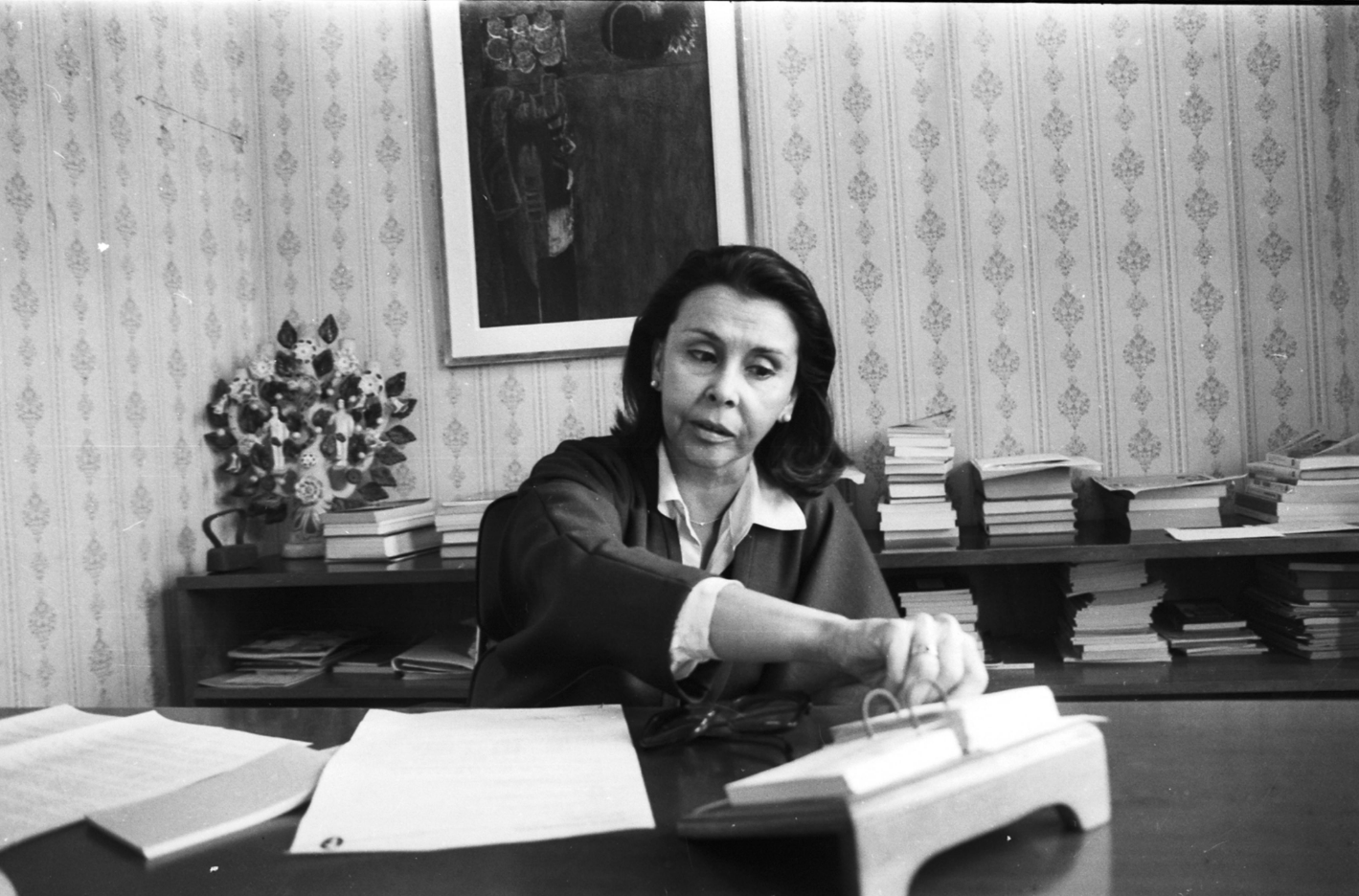
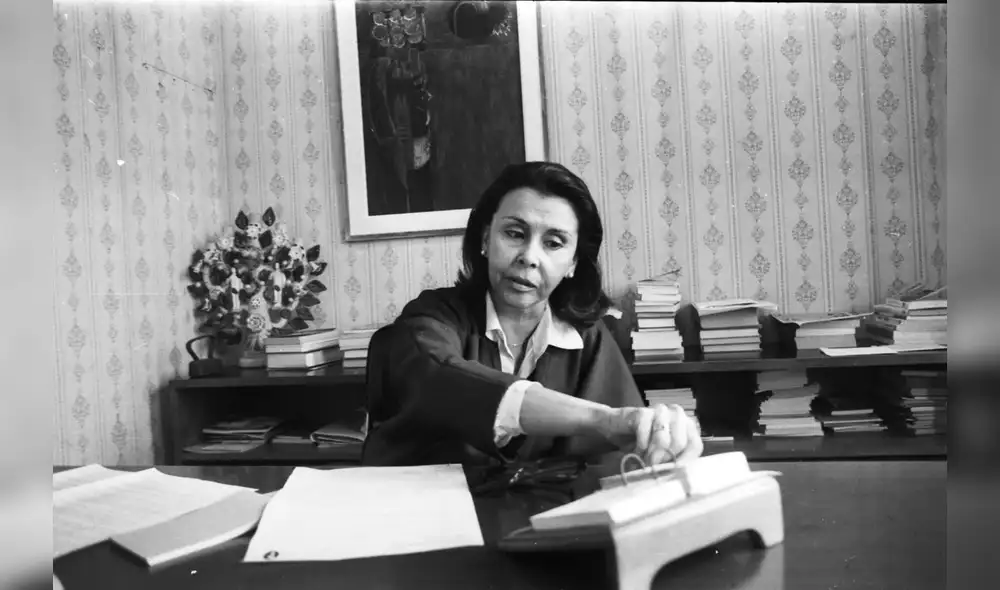
Peruvian literature marks the 100th anniversary of the birth of poet Blanca Varela on Monday, August 10, 2026, with major literary publications and commemorative events. Born in 1926, Varela passed away in 2009 at the age of 82. Writing for La República in February, Gabriel Ruiz Ortega highlighted her centennial as one of the year's key cultural milestones and signaled that new titles celebrating her literary and vital legacy would arrive in the following months.
Before her death, Varela earned international acclaim, including the 2006 Premio Internacional de Poesía Ciudad de Granada-Federico García Lorca and the 2007 Premio Reina Sofía de Poesía Iberoamericana. Her poetry resonated far beyond academic circles and private literary groups. Readers found clarity, truth, and a unique companionship in her concise morphology and powerful silences, connecting with a voice that rejected posture.
Younger readers have driven much of the current interest in her work. The widespread media coverage surrounding her international awards in her final years introduced her poetry to a new generation seeking authentic connection in a fast and noisy visual world.
Biographies and Literary Analysis
Two major biographical works on Varela's life have been published in 2026. UPC published Ponte un alma si la encuentras. Un retrato de Blanca Varela by Daniella Paredes Johnson, while Lumen issued La vértebra perdida. Una biografía de Blanca Varela by Fietta Jarque.
Additionally, publisher Personaje Secundario re-released El más crudo invierno. Notas a un poema de Blanca Varela by Mario Montalbetti. The book analyzes the third poem in Varela's 1999 collection Concierto animal. It was first published in 2016 by Fondo de Cultura Económica to strong critical reviews.
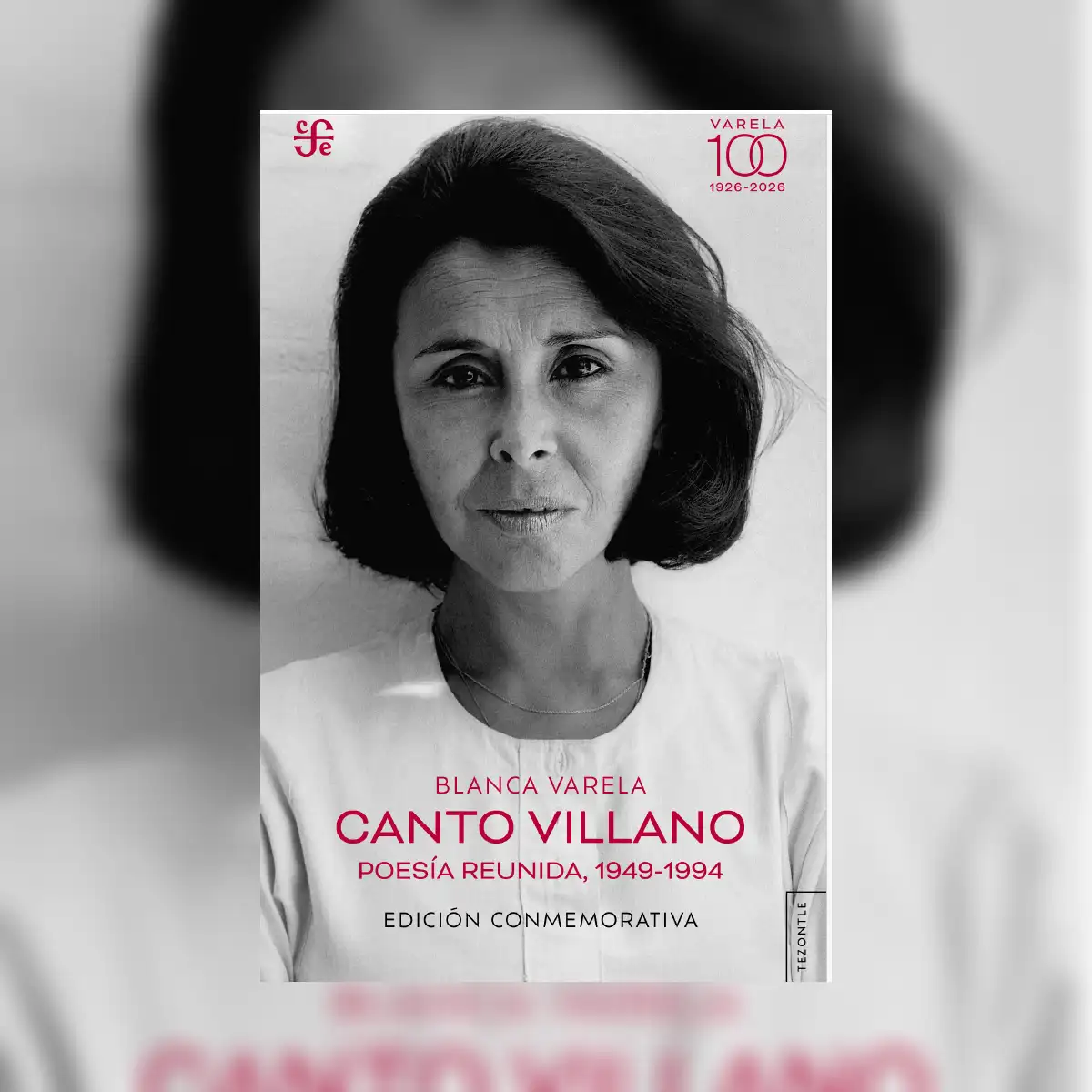
Fondo de Cultura Económica published a special centenary edition of Canto villano. Poesía reunida, 1949-1994. The volume takes its title from her landmark 1978 poetry collection. It features prologues by Carmen Ollé and Gabriela Wiener, along with epilogues by Roberto Paoli, Adolfo Castañón, Gonzalo Portocarrero, and Ethel Barja.
During the recent Lima International Book Fair (FIL de Lima), this new edition became the most requested poetry book, drawing high interest from young readers. Re-reading her legendary 1959 debut collection, Ese puerto existe, shows that Varela established the formal and thematic foundations of her entire coherent career from the start while remaining modest about her achievement.
Publication of Final Poetry Collection
Publisher Personaje Secundario has also released Varela's final collection, El falso teclado. Varela dated the writing of the collection in 2000, and it first appeared in 2001 within Donde todo termina abre las alas. Poesía reunida (1949-2000) published by Galaxia Gutenberg and Círculo de Lectores.
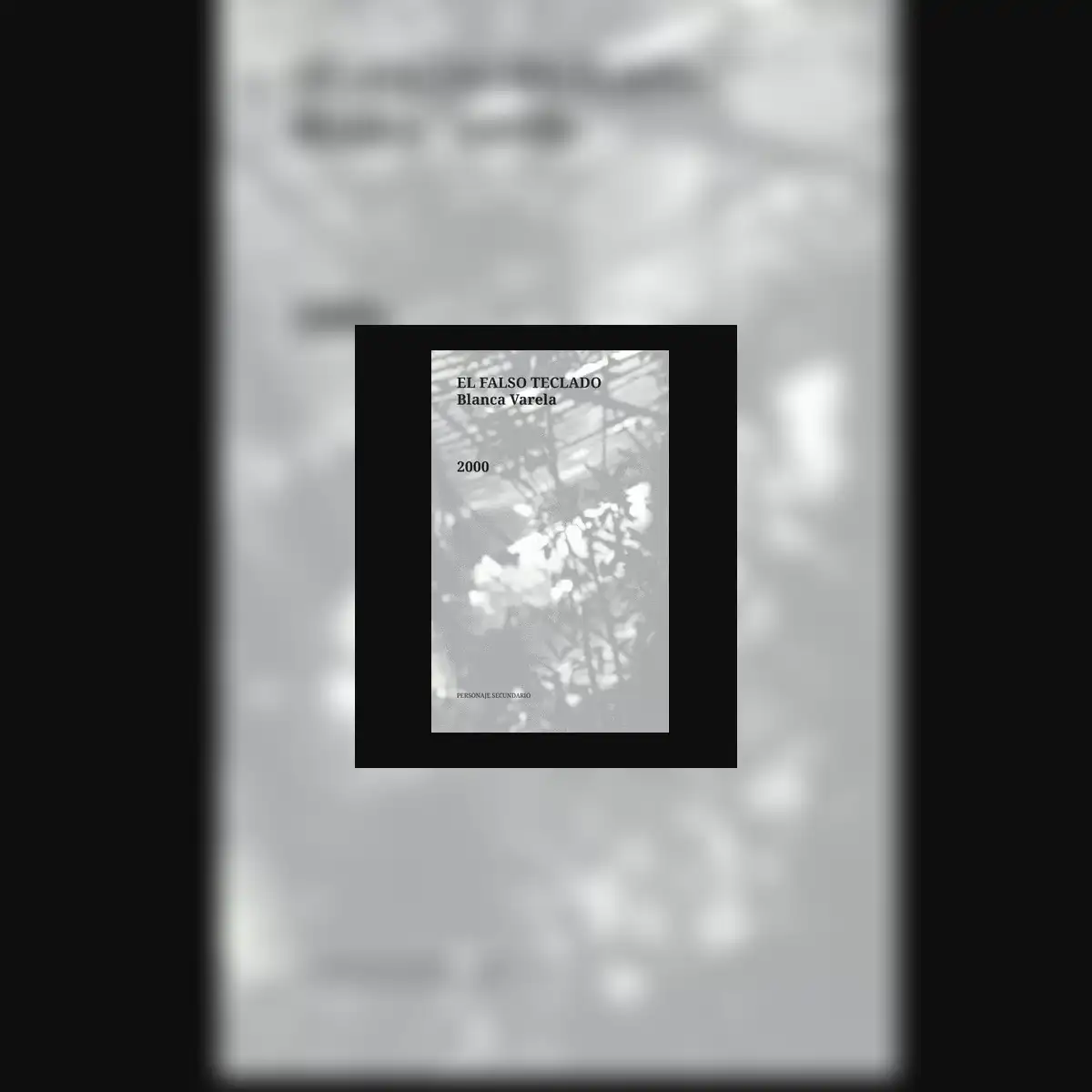
In 2004, Editorial Horizonte and the Instituto Italiano de Cultura included the work in Tríptico/Trittico, a bilingual Spanish-Italian edition featuring her last three poetry collections: El libro de barro, Concierto animal, and El falso teclado. La Casa de la Literatura Peruana (Caslit) first published it as an independent standalone book in 2016. The Caslit website currently hosts all of Varela's published and unpublished poetry, including work she chose not to publish.
With El falso teclado, Personaje Secundario launches the Colección Blanca Varela, which will publish each of her eight books as individual volumes. The next title in the series will be Concierto animal, scheduled to launch during the upcoming Ricardo Palma Book Fair.
Centenary Tributes and Public Readings
Commemorative events in Lima will take place on Monday, August 10. Fondo de Cultura Económica will host a panel discussion titled Centenario de Blanca Varela at 7:30 p.m. at Calle Berlín 238 in Miraflores, featuring Rocío Silva-Santisteban, Giovanna Pollarolo, and Daniella Paredes.
Earlier that evening at 7:00 p.m., La Rebelde bookstore, located at Batalla de Junín 260 in Barranco, will hold a poetry recital. Writers Alessandra Pinasco, María Belén Milla, and Angelina Ferrero will read selections from Varela's poems.