


Outdoor clothing brand Columbia has discounted 10 models across its range, offering price cuts on everything from short-sleeve polo shirts to snow-rated walking shoes.
The manufacturer categorises its catalogue by water exposure rather than quality, meaning buyers must check the weather forecast before selecting their gear. Six of the discounted items are designed without a waterproofing membrane, and the largest price reduction applies to a dry-weather polo shirt rather than heavy-duty rainwear.

Columbia waterproofing technology
Columbia has spent decades assigning commercial names to its garment layers. Its Omni-Tech breathable membrane features fully sealed seams and is rated by the company for moderate rain and snow. The higher-tier OutDry membrane is classified for heavy rain and intense snow.
The other proprietary labels relate to footwear grip and cushioning. Omni-Grip is Columbia's rubber sole compound, which is available in an anti-marking version on several models to prevent black scuffs on tiled floors. The Techlite midsole is an energy-returning foam that cushions the foot, while newer models use an upgraded Techlite+ variant. The latest soles also feature Adapt Trax, a compound specifically designed to grip wet surfaces.
Dry weather clothing and layers
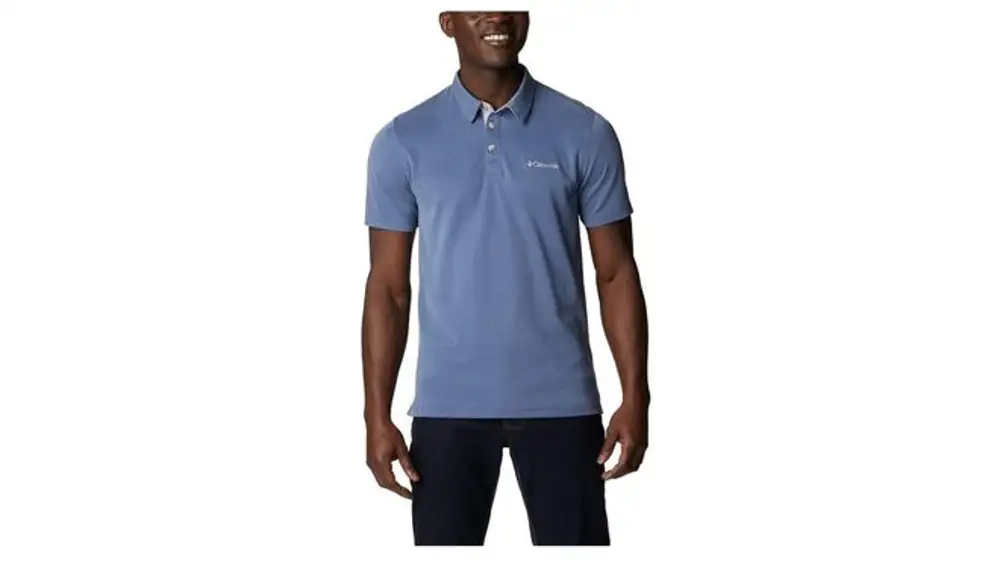
The Nelson Point polo shirt offers no weather protection and is designed for dry conditions, such as long coastal walks or post-route meals. The fabric is a blend of 70 per cent modal and 30 per cent polyester, relying on the modal to provide a cool touch without the plastic feel of pure polyester.
It features a three-button lapel collar, placing it between casual and formal wear, and is available in 33 colours in sizes ranging from XS to 6XL. Buyers should order one size larger than usual due to its fitted cut. The fabric's durability is its weak point, meaning it functions better as summer wear than as a daily work shirt across multiple seasons.
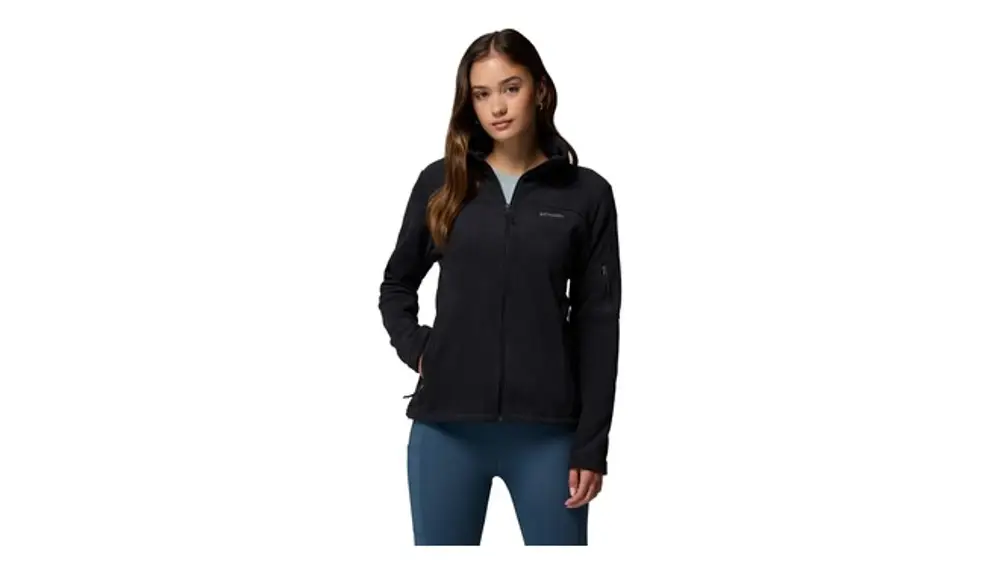
The women's Fast Trek II is a full-zip fleece designed for cold, dry weather. Made from polyester microfleece, it serves as a mid-layer between a t-shirt and a raincoat for early morning October starts.
It features a cinch hem to stop wind travelling up the waist when bending down, and two zip pockets to secure items like a mobile phone when sitting on rocks. It provides significant warmth relative to its light weight.
Packable waterproof jackets
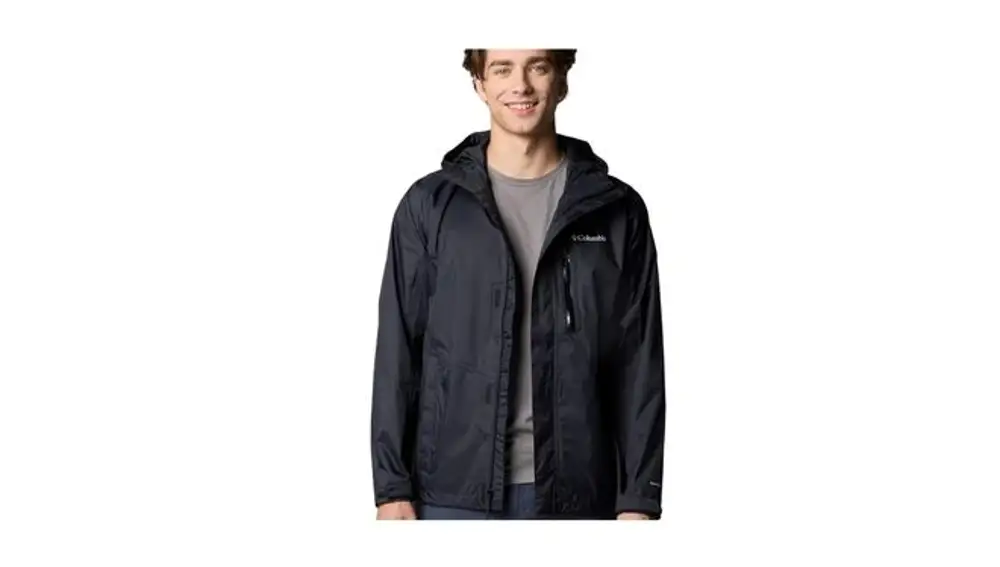
The men's Pouring Adventure III jacket is designed for heavy rain, featuring an Omni-Tech membrane and fully sealed seams to stop water entering through the stitching. Weighing 600 grams, it folds into its own pocket to live at the bottom of a backpack year-round.
The jacket includes a cord-adjustable hood and hem, velcro cuffs, and three zip pockets. It withstands sustained downpours, even on a motorcycle, but the fabric sacrifices breathability, meaning users will feel internal moisture during heavy exertion. Size L runs large, and it is considered an item that lasts multiple seasons.
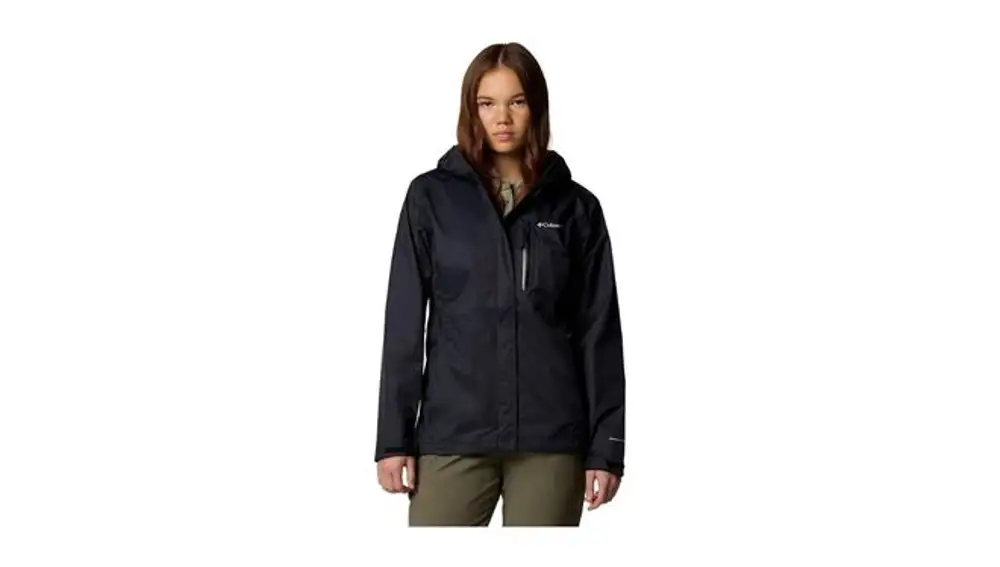
The women's Pouring Adventure III uses the same Omni-Tech fabric, sealed seams, and packable design, but features a women's pattern and elastic cuffs instead of velcro. It comes in 11 colours from XS to XL.
One buyer stated she used the jacket during a trip to Scotland, noting that while it is not very warm, its lack of insulation allows it to be used across different seasons. The jacket serves as a windbreaker and can be layered from April to November rather than being stored away for winter.
Everyday and dry weather footwear
The Voyager FLX is the lightest shoe in the group and the least mountain-oriented. It features a textile and synthetic upper without a membrane, a lace closure, and an insole made with 20 per cent recycled content.
Designed for mixed daily use transitioning from pavements to dirt tracks, it combines an Adapt Trax sole with a Techlite+ midsole for short walks. It is available in sizes 40 to 48.
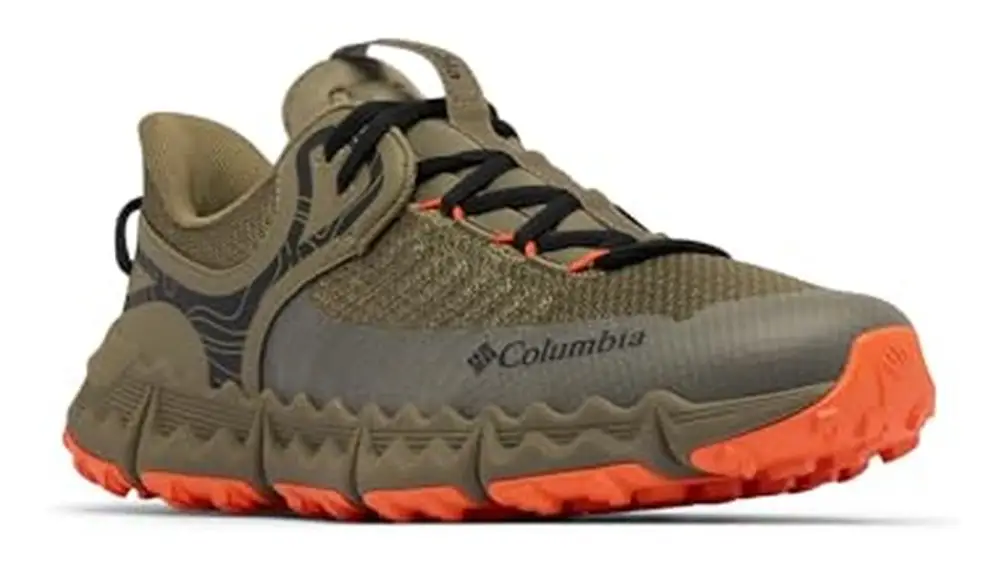
The Peakfreak Venture LT is a dry-weather multi-sport shoe combining a suede and mesh upper without any waterproof membrane, as suede and water react poorly together. It uses a Techlite midsole and a non-marking Omni-Grip sole, coming in sizes 40 to 50. Designed for heavy walking rather than mud, the shoe ventilates better and weighs less than waterproof alternatives.
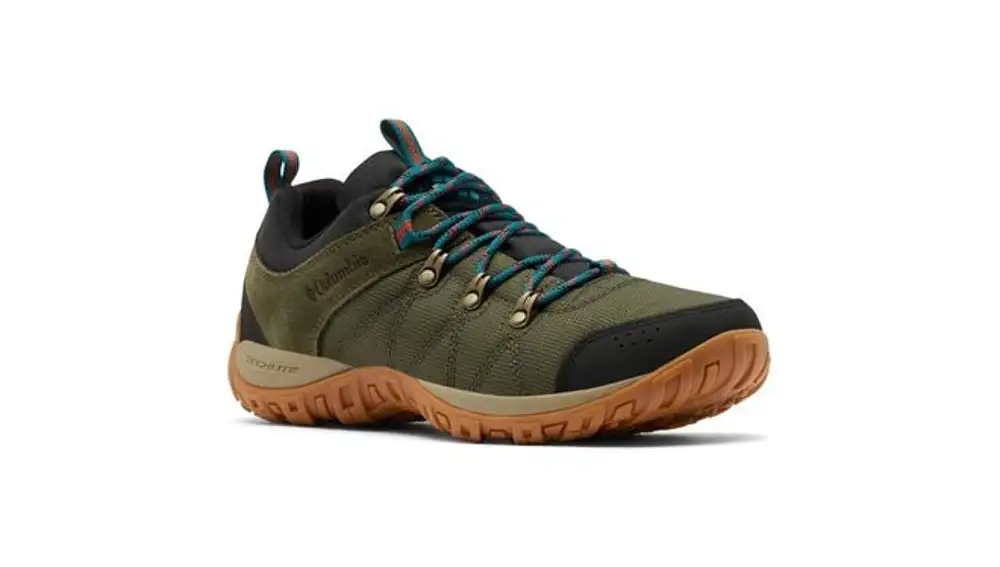
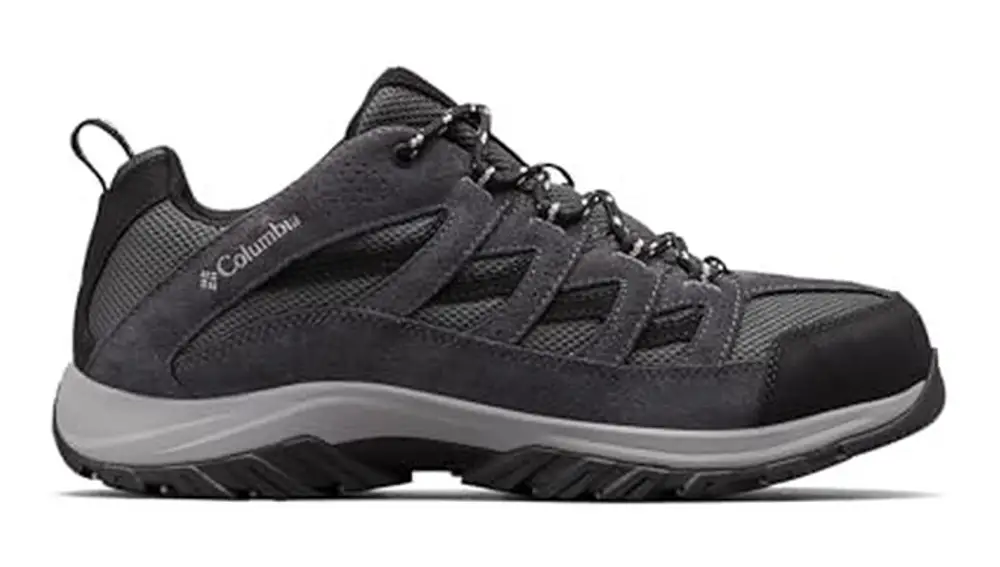
The men's Crestwood is a veteran low-cut hiking shoe featuring a Techlite midsole, a non-marking Omni-Grip sole, and metal eyelet rivets to prevent the laces breaking the shoe on steep climbs. Available in 11 colours from sizes 40 to 50, the shoe runs tight in the arch, requiring care for buyers with high insteps. It provides immediate comfort without a break-in period and grips well on dirt tracks and dry rock.
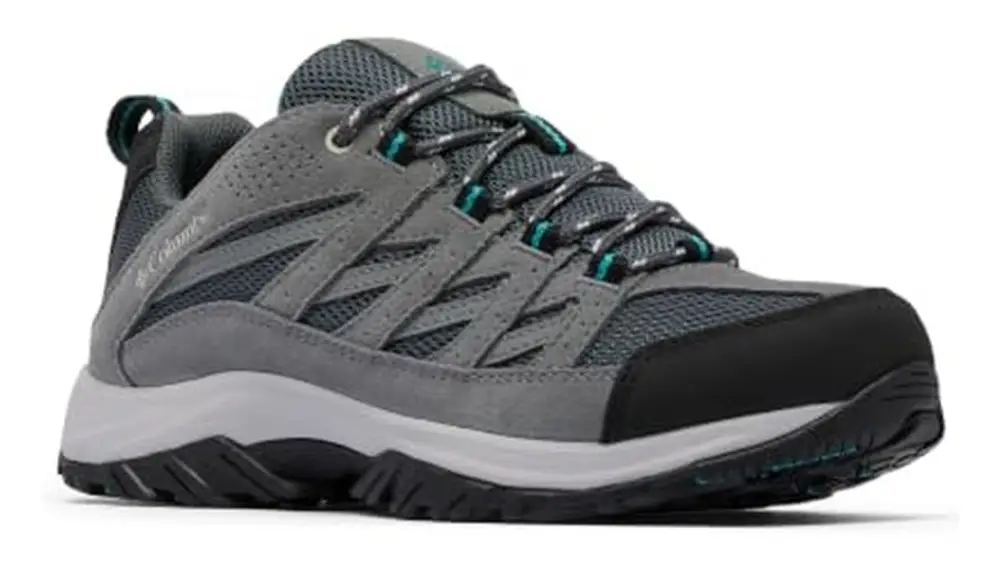
The women's Crestwood Wide is a separate model with a wide fit to prevent toes rubbing on long descents. It combines leather and mesh without a waterproof membrane, using the same Techlite midsole and Omni-Grip sole. It secures the foot without side pressure, but the model runs short, so buyers should order half a size larger than usual. It is available in 11 colours from size 36 to 43.
Waterproof walking shoes
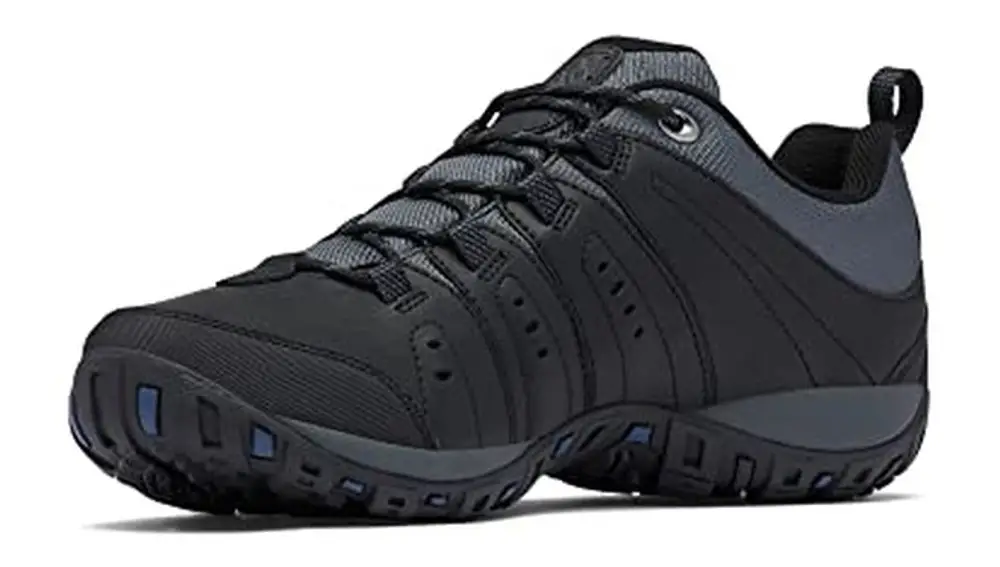
The Woodburn II Waterproof features an Omni-Tech membrane beneath a leather and mesh upper, supported by a Techlite midsole and Omni-Grip sole. Columbia warns that the laces and zippers are not waterproof, meaning water can enter from the top if a puddle exceeds the lace height.
A buyer stated they had used the shoes in heavy rain and returned with completely dry feet. The membrane retains heat and breathes poorly, making the shoes suited for autumn mud rather than August heat. The fit is narrow for wide feet, and sizes range from 40 to 50.
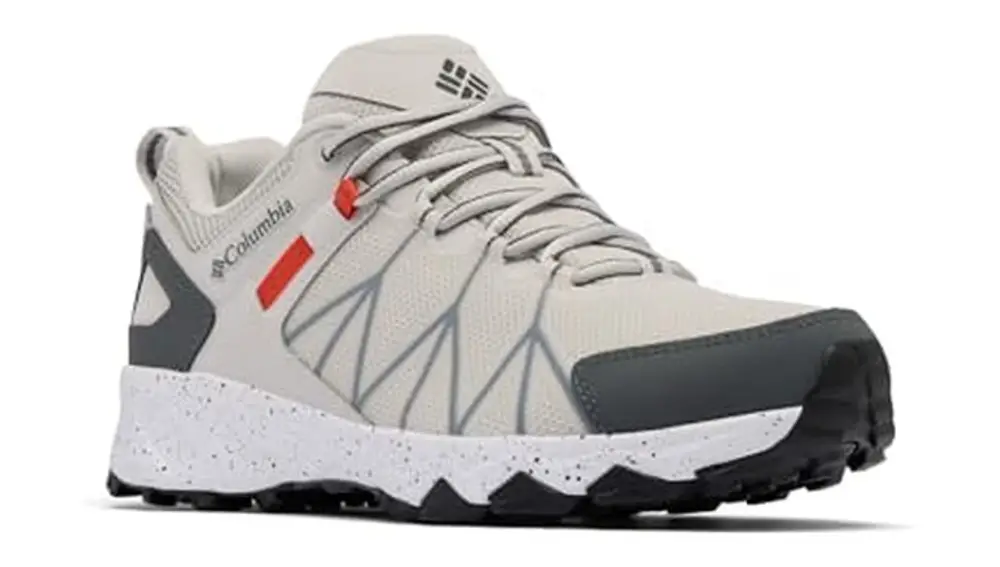
The Peakfreak II OutDry is the only discounted model featuring the heavy rain and snow-rated OutDry membrane, representing a genuine category jump from the Omni-Tech models. Weighing 500 grams per pair, it includes an Adapt Trax wet-grip sole, Techlite+ cushioning, and an OrthoLite Eco insole. A Navic Fit seamless mesh wraps the midfoot to reduce friction during long walks with damp feet.
Despite being labelled a boot by the retailer, it is a low-cut shoe with an exposed ankle. It comes in 24 colours across sizes 39.5 to 48, aimed at hikers who encounter heavy winter rain between November and March.
Choosing and maintaining outdoor gear
Waterproof jackets can overheat during summer ascents, trapping heat inside as effort increases. Packable models should be worn during rest stops, when the body cools down, or during unavoidable storms, while thick raincoats should be avoided in summer.
For low-cut walking shoes, mud and puddle water often enter from the top rather than through the fabric. Wearing trousers outside the socks resolves this better than changing membranes, though deep snow or regular wading requires high boots.
A wide-fit shoe resolves forefoot width but does not increase length. Buyers should measure their bare feet on paper, marking the heel and longest toe with a pencil, to ensure correct sizing and avoid returns.
When buying a jacket, buyers should try it on over their thickest fleece, as tight shoulders can compromise the weather seal at the hood and waist where wind drives rain inside. A thin technical shirt allows the jacket to breathe better. The hoods on these raincoats adjust to fit bare heads, not helmets, and the hip-length hiking cut leaves the back exposed when cycling.
Socks dictate footwear performance. Cotton socks retain sweat inside waterproof shoes, creating a wet sensation even if no rain enters. Synthetic or merino wool socks improve the experience more than upgrading the membrane.
Membrane jackets typically fail when dirt, dust and backpack strap friction saturate the outer water-repellent treatment. Jackets should be washed with mild soap and no fabric softener, as softener leaves a film that attracts water, before being dried on moderate heat to restore repellency. Storing a jacket permanently compressed in its pocket creates permanent creases in the laminate.
Footwear should be cleaned with cold water and a brush, and dried in the shade with paper stuffed inside. Radiators or direct sunlight degrade adhesives and dry out the leather, while dry mud acts like sandpaper on the shoe's seams. Fleeces should be washed inside out on a light load to prevent the fibres from matting and losing their insulation.


