

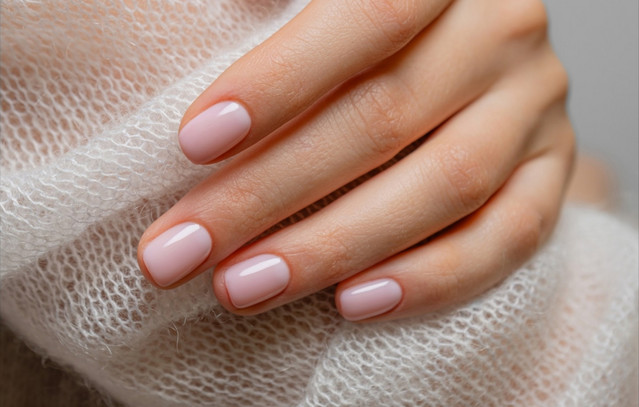
Gel manicures have become a staple beauty routine for millions of women, offering weeks of flawless results without daily upkeep. But concerns about nail damage have grown alongside their popularity.
Podiatrist Mary Oikonomopoulou says gel polish is not the enemy of healthy nails. She says what actually damages the nail plate is improper preparation of the natural nail, excessive filing before application, and above all, forceful removal of the product.
The Biggest Mistake Happens at Removal
Peeling off gel that has started lifting at the edges is one of the most common and damaging habits. Oikonomopoulou explains that when polish is removed this way, thin layers of the nail's natural keratin come off with it, leaving nails thinner, more brittle, and prone to breaking. Specialists say professional removal significantly reduces the risk of damage, and that scraping or pulling the product off at home is not recommended.
Do Nails Need a Break?
The nail is made up of dead keratin cells and does not breathe, so a rest period is not about oxygen. According to specialists, breaks are useful for assessing the condition of the nail plate and allowing recovery when thinning or injury is present. If nails show white spots, flaking, sensitivity, or easy breakage, leaving them free of gel for several weeks and focusing on daily hydration and treatment is preferable.
Extra Caution for Toenails
Podiatrists note that gel on toenails can create additional problems when there is constant pressure from tight shoes. The hard coating reduces nail flexibility and in some cases may contribute to injury, nail detachment, or make it harder to detect conditions such as fungal infections early.
How to Protect Your Nails
- Choose a certified professional who follows correct application practices.
- Never remove gel yourself.
- Use cuticle oil and hand cream daily.
- If you notice pain, discoloration, or nail separation, consult a podiatrist or dermatologist before your next manicure.
- If your nails are already damaged, let them recover before the next application.
Oikonomopoulou concludes that proper technique and regular assessment of nail health matter far more than the product itself.


