

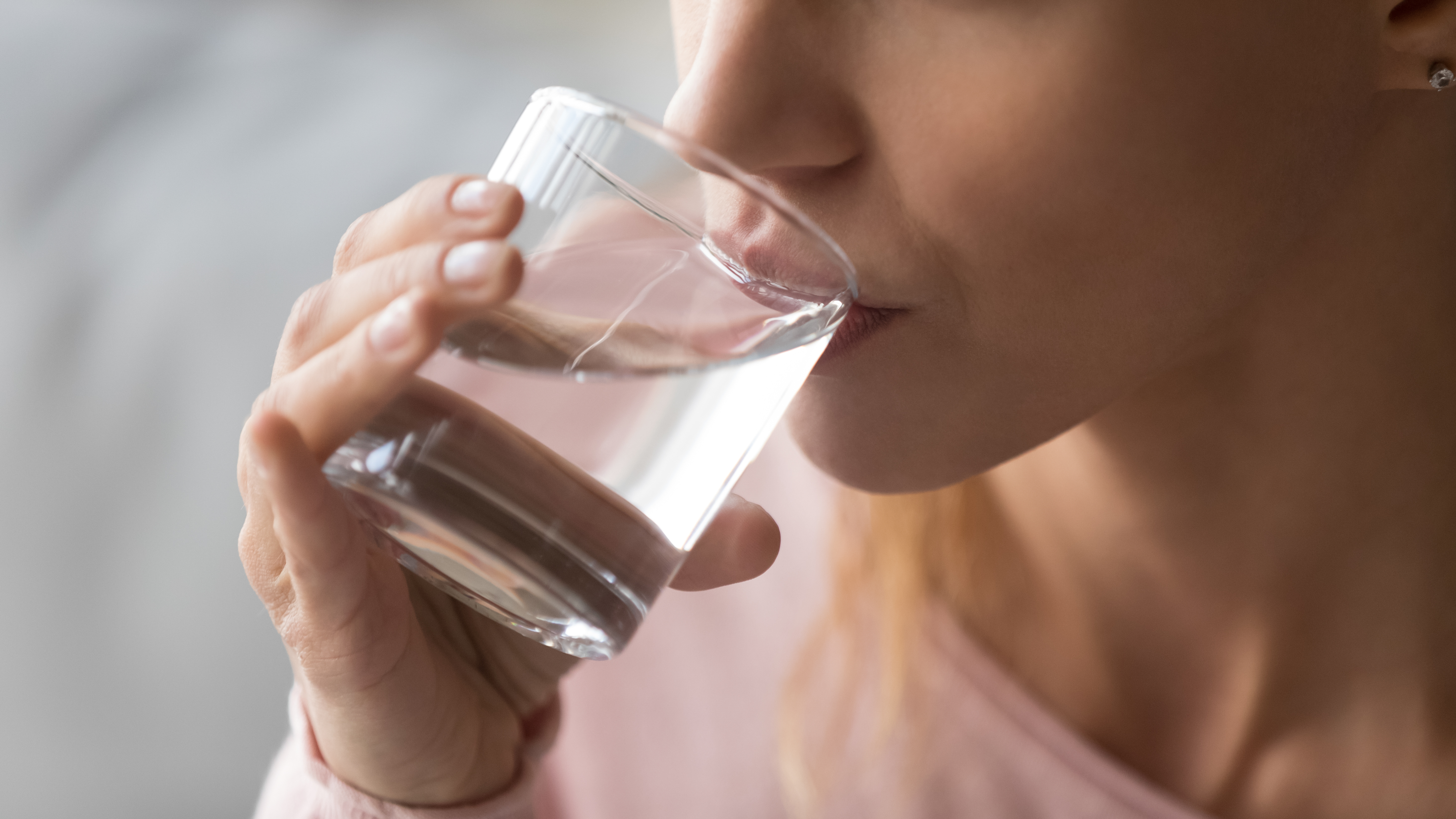
Medical experts including psychiatrist Marina Kalyuzhnaya and portal founder Ruslan Ramazanov explained daily water needs, health risks, and hydration myths. The human body consists of approximately 60 percent water, though the exact amount varies depending on sex, age, muscle mass, and fat mass. Water is present throughout the body in cells, tissues, and blood, playing an essential role in overall well-being.
Water acts as a nutrient carrier, regulates body temperature, lubricates joints and internal organs, supports cardiovascular health, and assists with weight control. It also aids the absorption of vitamins and minerals, removes waste and toxins, supports mood, mobility, energy, and cognitive functions, and maintains normal urine urea levels to reduce the risk of kidney stones and urinary tract infections. Some studies indicate high fluid intake may help manage headaches, migraines, diabetes, obesity, and low blood pressure, though researchers note these areas require further study.
Dehydration Symptoms and Hydration Markers
Tracking applications and digital devices can help remind busy people to drink water, but psychiatrist-narcologist Marina Kalyuzhnaya, founder of Dr. Kalyuzhnaya Clinic, warned that relying on trackers over internal body signals can be counterproductive. Kalyuzhnaya explained that humans lived for thousands of years without checking whether they needed to drink, and noted that health anxiety often disguises itself as self-care.
Two primary markers indicate whether the body has enough water. Dark urine signals dehydration, while light yellow urine indicates proper hydration. Thirst also serves as a reliable guide for adults, though surgeon Ekaterina Sautina stated that children and elderly individuals should not rely solely on thirst signals.
Dehydration causes headaches, dizziness, infrequent urination, weakness, fatigue, dry mouth, and reduced skin elasticity, where pinched skin fails to smooth immediately. As fluid deficit grows, cognitive abilities decline. In physically active individuals, moderate dehydration lowers endurance, increases fatigue, alters thermoregulation, and reduces motivation. Water deficiency is also a risk factor for delirium in elderly and severely ill patients, and serves as a major cause of constipation. Dehydration can result from low fluid intake, diarrhea, vomiting, feverish illnesses, hot weather, heavy physical labor, or medications that increase urination.

Daily Intake Debates and the Two-Liter Myth
Daily fluid requirements vary significantly between individuals and across different days. Increased water intake is required during exercise due to sweating, in hot environments, during pregnancy, and while breastfeeding. Individual needs also depend on age, body weight, overall health, and diet. Popular guidelines suggest consuming either two liters of water per day or roughly 30 milliliters per kilogram of body mass.
Ruslan Ramazanov, founder of the medical portal Ask a Doctor, explained that the common two-liter recommendation stems from a 1945 guideline by the United States Food and Nutrition Board. Ramazanov noted that while people remembered the total fluid figure, they overlooked the statement that most of this volume is already provided through food and beverages like soup, tea, fruits, and vegetables. This misinterpretation gave rise to the myth that people must drink eight glasses of plain water daily to avoid dehydration.

Overhydration Risks and Dietary Water Sources
Excessive fluid consumption can also present serious health risks. Kalyuzhnaya warned that drinking large amounts of water in a short time prevents the kidneys from processing the excess fluid, leading to diluted blood and low sodium levels. Mild cases cause weakness, nausea, headache, and sluggishness, while severe cases can trigger confusion, seizures, and brain swelling. Kalyuzhnaya added that an obsessive urge to drink water driven by fear of harm indicates a potential anxiety disorder that should be addressed with a psychotherapist.
Nephrologist Rafael Krmar asserted that drinking when feeling thirsty is generally sufficient rather than following strict daily volume targets. Endocrinologist Joseph G. Verbalis expressed a similar view, stating that fluid intake triggered by thirst combined with water contained in food is entirely adequate to maintain normal hydration.
Solid food accounts for 20 to 30 percent of daily water intake, while liquids provide the remaining 70 to 80 percent, with a minor amount produced through macronutrient oxidation. Skim milk, melons, strawberries, watermelon, lettuce, cabbage, celery, spinach, pickles, and boiled pumpkin consist of 90 to 99 percent water. Fruit juices, yogurt, apples, grapes, oranges, carrots, broccoli, pears, and pineapples contain 80 to 89 percent water. Bananas, avocados, cottage cheese, ricotta, baked potatoes, boiled corn, and shrimp contain 70 to 79 percent water, whereas walnuts, peanuts, cookies, crackers, cereal, and pretzels contain only 1 to 9 percent water. Ramazanov noted that coffee counts toward daily fluid intake, and while alcohol temporarily increases fluid loss, it does not cause significant overall daily water depletion.


