

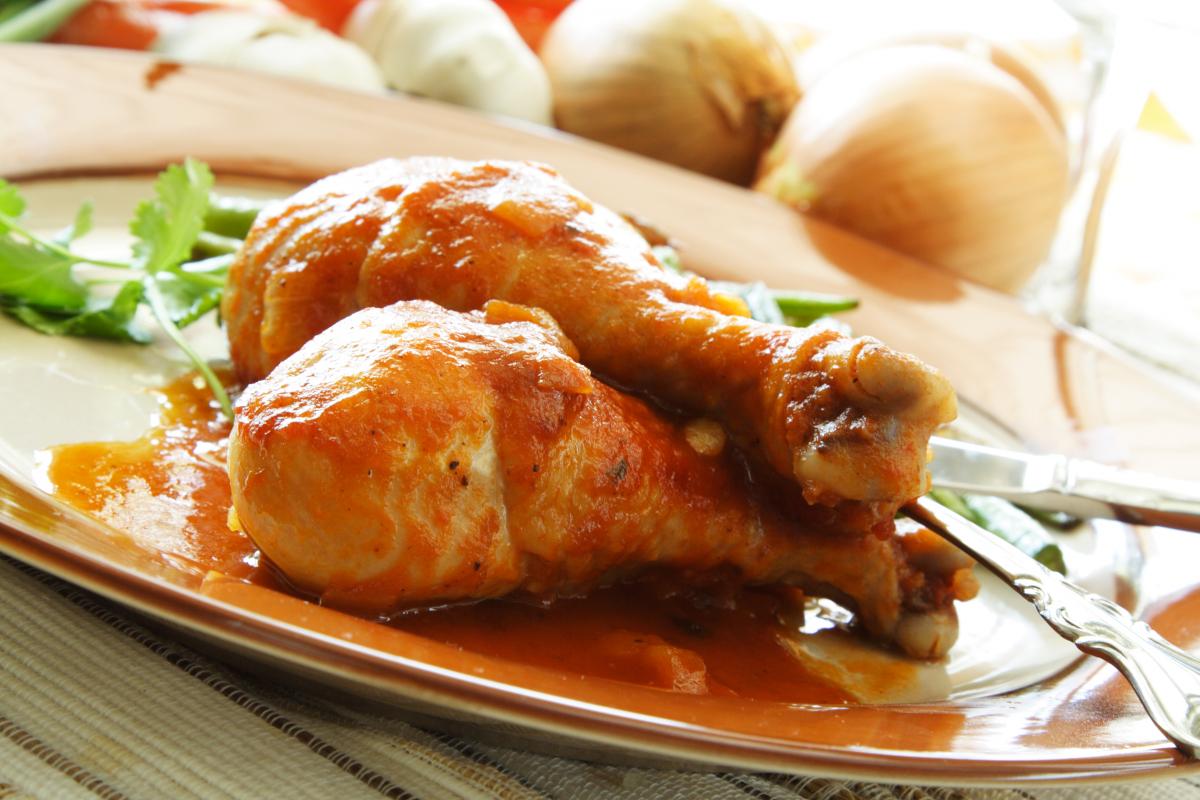
Registered dietitians Mary Moravec and Lauren Slayton reported in Martha Stewart that eating chicken daily impacts energy, immune function and blood sugar levels.
Moravec stated that chicken serves as a high-quality complete protein containing all nine essential amino acids, allowing individuals to meet daily protein goals with minimal fat and zero carbohydrates.
Essential amino acids are organic compounds that the human body cannot synthesize independently. A complete protein delivers all nine of these vital components to support muscle repair, cellular immunity and steady energy throughout the day.
However, nutrition experts cautioned that relying exclusively on chicken can create dietary gaps. Moravec recommended alternating chicken with fish, eggs, legumes and plant-based protein sources to obtain essential nutrients such as omega-3 fatty acids and dietary fiber.
Nutritional differences between white and dark chicken meat
Slayton explained that a serving of chicken breast weighing 170 to 225 grams provides approximately 50 grams of protein. Dark chicken meat contains slightly less protein due to a higher fat content, but offers higher concentrations of iron and zinc.
Both white and dark chicken meat supply the body with vital B vitamins, including niacin, vitamin B6 and vitamin B12, along with minerals such as selenium and phosphorus.
Moravec noted that chicken fits into high-protein, low-carbohydrate plans and the Mediterranean style of eating. She highlighted that individuals taking GLP-1 class medications frequently select chicken as a lean alternative to red meat.
GLP-1 receptor agonists are prescription medications used for diabetes and weight management that reduce appetite and slow digestion. Medical guidelines for patients on these treatments emphasize consuming lean, high-protein foods to preserve muscle mass during weight loss. The Mediterranean diet similarly prioritizes lean poultry and seafood over processed meats.
Impact of daily chicken intake on inflammation and mood
Evaluating daily consumption, Moravec stated that chicken causes less systemic inflammation than red or processed meat. This benefit stems from its lower heme iron content, although chicken contains arachidonic acid, a compound that may contribute to inflammation if consumed in excess.
Heme iron is a form of dietary iron found in animal tissues that the human body absorbs rapidly. High intake of red meat and heme iron has been linked in clinical research to systemic inflammation and oxidative stress.
Addressing mental well-being, Slayton explained that chicken contains tryptophan, an amino acid involved in the synthesis of serotonin in the brain.
Serotonin is a key neurotransmitter that helps regulate mood, sleep cycles and emotional balance. Because the body cannot synthesize tryptophan on its own, eating tryptophan-rich foods directly supports serotonin production.
Effects on blood sugar, immune health and energy levels
Because chicken contains zero carbohydrates, Moravec stated that it has a minimal direct effect on blood glucose levels. She added that consuming protein alongside carbohydrate-rich foods helps prevent blood sugar spikes, though breaded chicken or dishes prepared with heavy sauces negate this benefit.
Moravec explained that chicken supports immune health through its supply of zinc, selenium, vitamin B6 and protein, which are directly involved in immune cell production and function. She noted that chicken breast is leaner and richer in niacin, whereas chicken thighs provide higher concentrations of zinc, iron and B vitamins, recommending both cuts for a full nutrient profile.
Slayton pointed to the iron content in chicken for transporting oxygen throughout the body, while niacin assists in converting food into energy. Moravec added that B vitamins support metabolic processes while protein provides gradually released stamina.
Moravec noted that eating adequate protein during meals aids in weight control by reducing snacking between main meals. Protein takes longer to digest than carbohydrates or fats, providing a practical foundation for portion control without strict calorie counting.
Safe portion limits and cooking guidelines
Regarding maximum consumption limits, Slayton stated that outside of eating contests or bingeing, there is no real upper ceiling on chicken intake. Moravec suggested that a reasonable daily portion for physically active adults ranges from 170 to 225 grams.
Moravec warned against using chicken as the sole protein source or eating portions so large that they displace other foods. She emphasized that chicken lacks fiber, omega-3 fatty acids and plant-based nutrients, meaning daily consumption at every meal risks nutritional deficiencies.
To maximize health benefits, Slayton recommended baking, grilling or boiling chicken rather than choosing fried, breaded or crispy options. Moravec identified baking and air-frying as preferred preparation methods, warning that charring or heavy browning over high heat creates potential health risks.
Air frying uses rapid circulation of hot air to cook food with minimal oil, offering a healthier alternative to deep frying. However, Moravec cautioned that chicken eaten with skin contains double the fat and calories, while commercial marinades, sauces and pre-seasoned breading add substantial sodium. Dietitians also noted that rotisserie chicken can fit into a nutritious diet depending on the specific product, portion size and side dishes.


