

Gardening publication Country Living has warned homeowners that transplanting five established garden species can cause severe root damage and kill mature plants.
Gardeners frequently relocate plants during flowerbed renovations or garden redesigns, but species with deep taproots or delicate root networks react poorly to soil disruption. Expert Richard Barker warned that digging up established roots often leads to severe transplant shock, stunted growth, or plant failure.
Echinacea Care and Taproot Protection
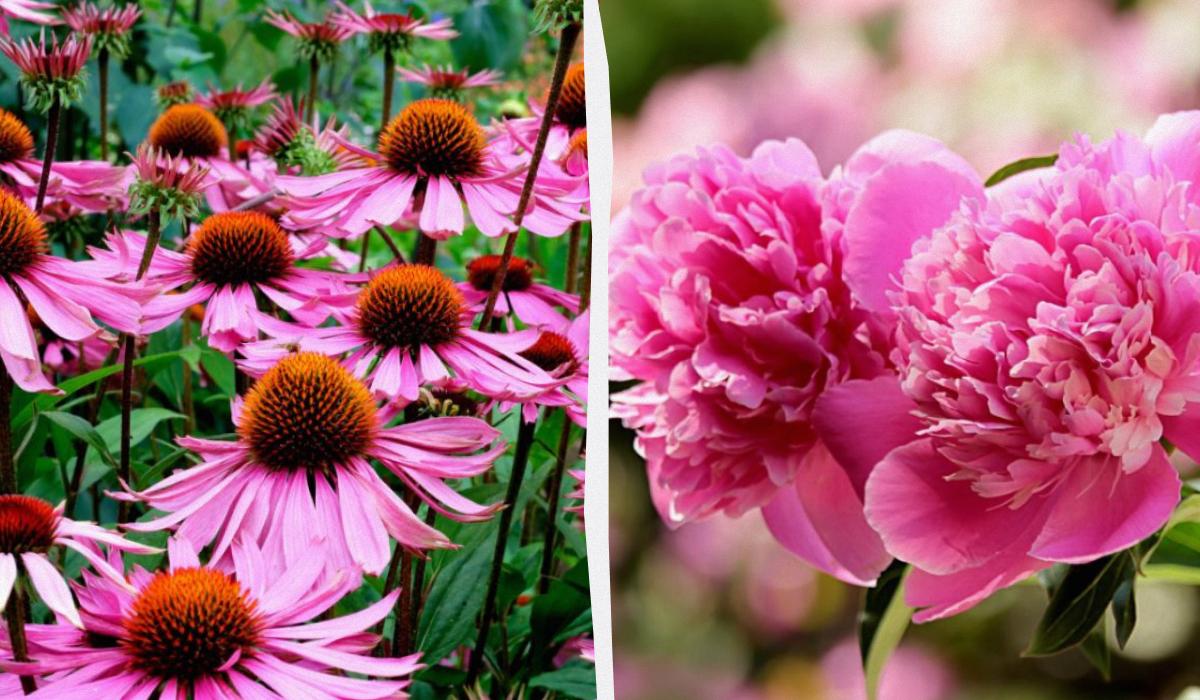
Echinacea, commonly known as coneflower, relies on a deep taproot that suffers severe damage when dug out of established soil. Gardening expert Richard Barker explained that root injury leaves the plant unable to absorb sufficient moisture from the ground. As the plant exhausts its energy attempting to repair damaged roots, leaves turn yellow and wilt while flower buds and blooms dry out completely.
To thrive, echinacea requires a sunny planting position with well-drained soil. Barker recommended that any essential transplanting take place in early spring just as new shoots emerge. He advised gardeners to dig a wide perimeter around the base, preserving a substantial ball of soil surrounding the root system. Trimming off heavy flowers and excess stems reduces water demands, while thorough post-transplant soaking keeps the soil moist during recovery.
Native to North American prairies, echinacea is a popular perennial prized for its daisy-like blossoms and herbal qualities. Its central taproot burrows deep into subsoil layers to access underground water, which makes root breakage particularly traumatic for established specimens.
Peony Relocation and Planting Depth
Peonies require several years to reach full maturity and perform best when left undisturbed in their original locations. Moving an established peony induces major physiological stress, delaying flower production for one to two years while the plant redirects nutrients toward root restoration. These flowering shrubs demand at least six hours of direct sunlight daily to produce healthy blooms.
Gardeners must avoid moving peonies during active growth or blooming phases, as extreme disturbance can destroy the plant. Barker stated that autumn is the ideal period for relocation after foliage dies back naturally. When replanting, the rootstock buds must sit roughly 2.5 to 5 cm below the soil surface, as deeper placement prevents proper flowering.
Belonging to the genus Paeonia, these long-lived garden perennials produce large, fragrant blooms each spring. Their fleshy root crowns contain specialized growth eyes that remain highly sensitive to soil depth and seasonal timing.
Lavender and Rosemary Vulnerabilities
Lavender handles heat and drought efficiently but responds poorly to relocation due to its brittle woody roots and sensitive taproot. Digging up lavender causes foliage to dry and wilt, while extensive root damage in hot weather can kill individual branches or the entire bush. Barker advised moving lavender only in spring or autumn during cooler dormant periods, adding that plants older than five years should never be transplanted due to rigid root structures.
Rosemary possesses delicate roots that suffer easy damage during excavation. Disturbance triggers severe stress, causing needle loss and plant death if water absorption breaks down. Rosemary demands well-drained soil and six hours of daily direct sunlight. To minimize shock, Barker advised soaking the soil thoroughly twenty-four hours before digging, then extracting a large, deep root ball to protect fragile root structures.
Both lavender and rosemary are Mediterranean woody evergreens valued for aromatic foliage and culinary uses. While mature plants endure dry surface soil, their stiff root frames lack the regenerative capacity to recover from major transplant injuries.
Broad Beans and Seasonal Maintenance
Broad beans, also known as fava beans, should be sown directly into their permanent growing location. Their fragile roots break easily during transplanting, leading to leaf wilting, stunted growth, or plant death. Even when seedlings survive, root injury delays overall development and reduces pod yields. If relocation is unavoidable, gardeners must move young seedlings before fully developed foliage forms, watering thoroughly and avoiding fertilizer until new growth appears.
The relocation guidelines follow earlier maintenance advice published for dahlia growers after seasonal blooming concludes. Experienced horticulturists emphasized that proper post-flowering care ensures lush blooms for the following summer. Ukrainian news outlet UNIAN also detailed methods for restoring sunburnt lawns, noting that scorched grass can usually be revived through appropriate watering and soil management.
Broad beans belong to the legume family Vicia faba and serve as valuable nitrogen-fixing garden crops. Meanwhile, tender dahlia tubers and sun-stressed lawn turf demonstrate how targeted seasonal maintenance protects plant health across varied garden environments.


