
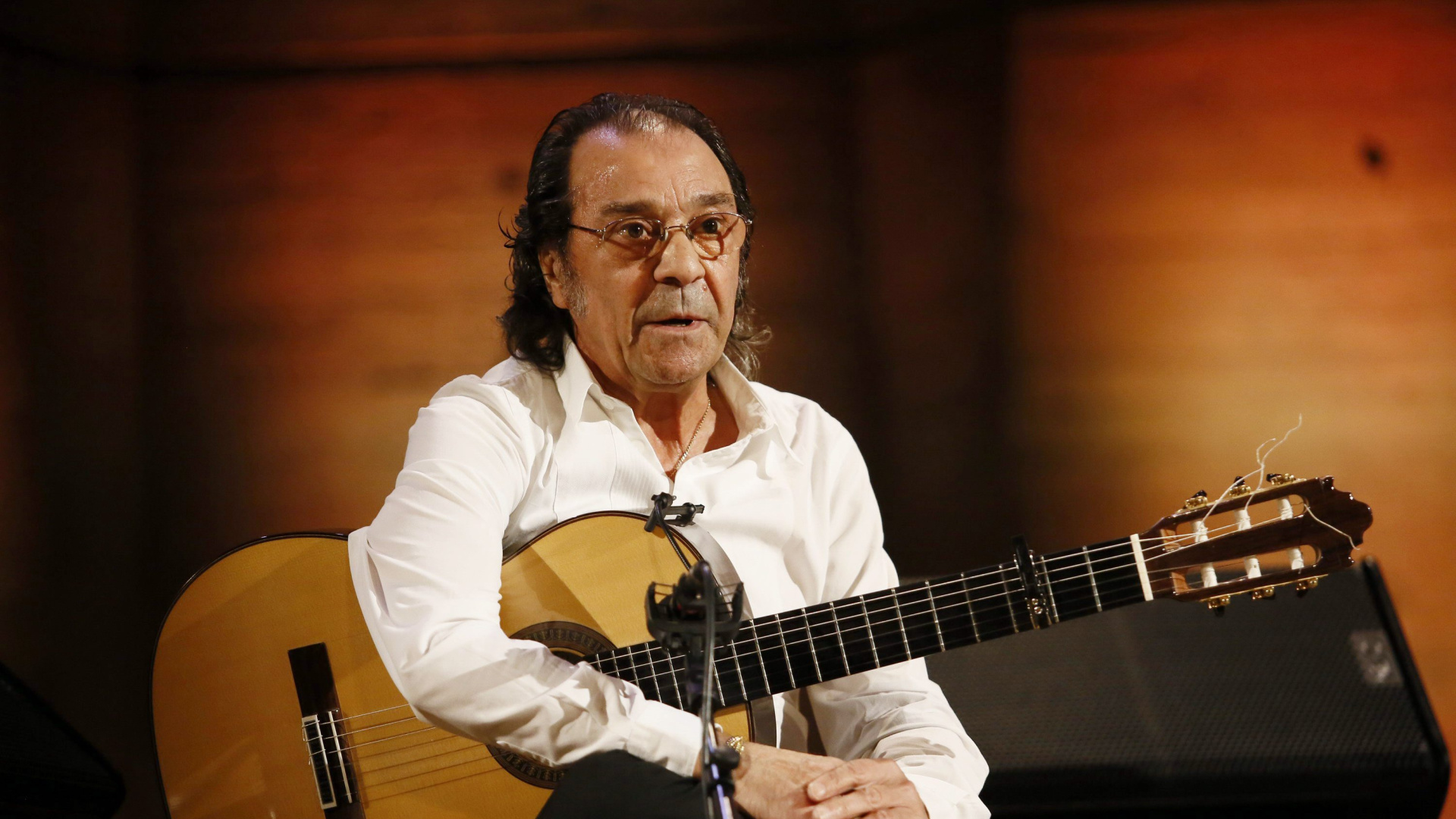
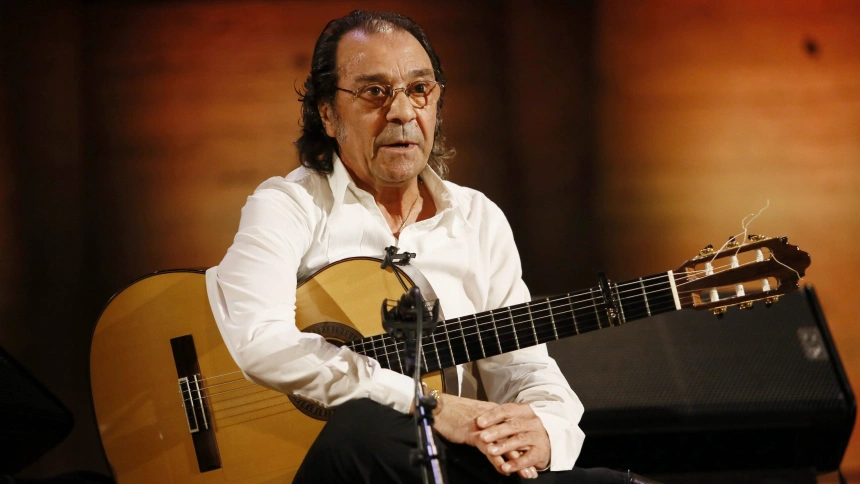
Spanish flamenco guitarist Pepe Habichuela has died at the age of 82 following a long battle with a lung disease, music figures confirmed. News of his death broke on Tuesday night, prompting a wave of tributes from prominent artists across the Spanish music industry.
Born into one of Andalusian music's most celebrated dynasties, Habichuela was widely recognized as a master instrumentalist who revolutionized traditional guitar playing over a career spanning more than six decades.
Tributes from Alejandro Sanz and Spanish artists
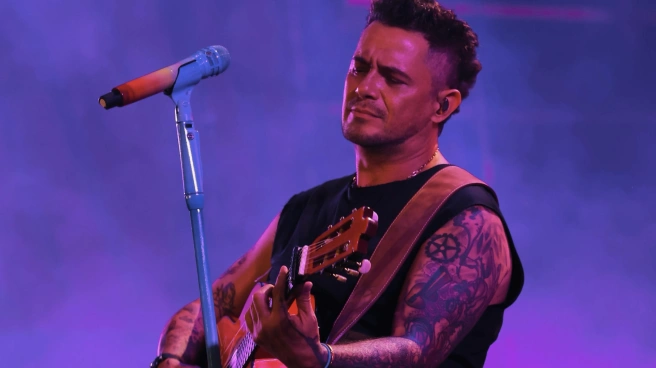
The news of Habichuela's death caused deep sorrow among musicians who worked alongside him. Singer Alejandro Sanz was among the most vocal in mourning his passing, reflecting on their close personal and professional bond. The two artists shared the stage on multiple occasions during their careers.
Sanz also maintained a decades-long fraternal friendship with the Carmona family, collaborating with Pepe's relatives Antonio Carmona and José Miguel Carmona. Throughout his career, Sanz has frequently identified the generation of Pepe Habichuela, Paco de Lucía, and Enrique Morente as essential influences on his artistic development and approach to songwriting.
In a social media tribute posted after learning of the death, Sanz stated that flamenco was in mourning following the passing of Pepe Habichuela. He called for the bass strings of guitars across all of Granada to ring out in honor of the guitarist.
Catalan singer Rosalía also expressed her condolences publicly on social media, writing rest in peace to Pepe Habichuela. She published her message alongside a photograph of the guitarist with American jazz trumpeter Don Cherry, taken when the two musicians met in Madrid in 1983.
Flamenco artist Lolita Flores shared a tribute honoring her colleague, writing that despite their age difference, they had shared many memorable nights together at legendary Madrid venues Casa Patas and El Candela. She noted that Habichuela and his brother Juan had always been like family to her, pointing out that his brother Carlos is her brother-in-law.
Flores stated that Habichuela leaves behind his art in his unique guitarist hands, calling him one of the greatest players in the genre's history and noting that there would never be another like him. Expressing her lasting affection and admiration, she offered her condolences and a warm embrace to his son José Carmona, his wife Amparo, and the entire Habichuela family.
Early life in Granada and Madrid debut
Pepe Habichuela was born José Antonio Carmona Carmona on October 23, 1944, in the southern Spanish city of Granada. He belonged to one of the most distinguished lineages in flamenco, a traditional Spanish art form combining guitar playing, singing, and rhythmic dance.
He was the grandson of the artist known as Habichuela el Viejo, from whom he inherited his stage surname, and the son of Tío José Habichuela. Raised in an environment steeped in music, he grew up learning the instrument alongside his brothers Juan, Carlos, and Luis.
Habichuela developed his artistic technique in the historic caves of Sacromonte, a hillside neighborhood in Granada famed for its deep-rooted flamenco traditions. In 1964, he moved to Madrid to follow the path of his brother Juan.
He made his professional debut in the capital at Torres Bermejas, an iconic tablao venue dedicated to live flamenco performances. There, he began his career by accompanying classic flamenco masters such as Pepe Marchena, Juanito Valderrama, and Pepe el de la Matrona.
Revolutionizing flamenco guitar and global fusion
Together with legendary contemporaries including Paco de Lucía, Manolo Sanlúcar, and Camarón de la Isla, Habichuela belonged to the groundbreaking generation that reshaped flamenco guitar performance. They introduced expanded harmonic freedom and complex melodic structures while strictly preserving the genre's traditional compás, or rhythmic beat.
His most influential artistic collaboration was with the acclaimed cantaor Enrique Morente. Together, the duo recorded seminal albums that redefined modern flamenco discography, including Despegando, Homenaje a Don Antonio Chacón, and Negra, si tú supieras.
Habichuela was also an early pioneer in blending flamenco with international musical styles. He recorded the acclaimed solo album A Mandeli and later created Yerba Güena, a cross-cultural project recorded with The Bollywood Strings orchestra from India. The album combined traditional Indian raga melodic modes with Spanish bulerías and flamenco structures.
Over his long career, Habichuela received major national accolades for his cultural contributions. His awards included Spain's Gold Medal for Merit in Fine Arts, a prestigious honor granted by the Ministry of Culture, and the Gypsy Culture Award for Music.