

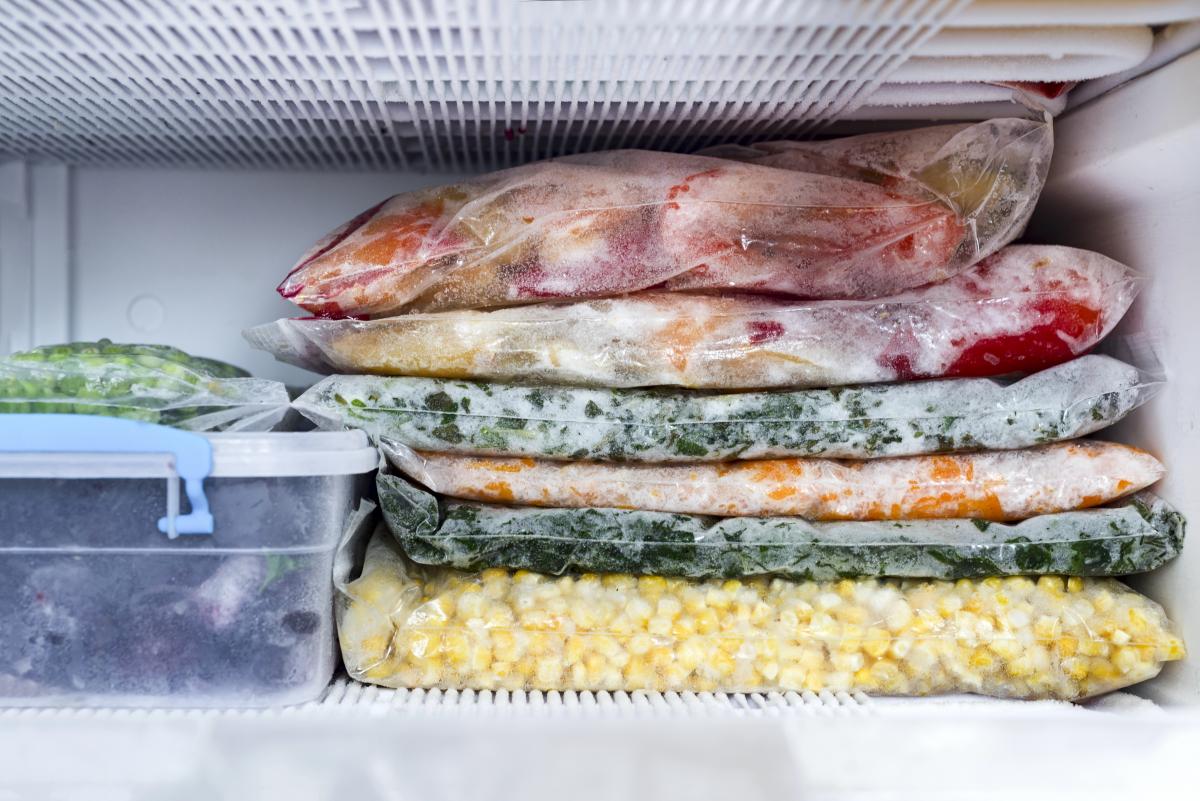
Freezing food remains one of the simplest methods to extend the shelf life of groceries, but experts at People magazine have highlighted 15 common kitchen items that should never be stored in the freezer.
The publication reported that while freezing stops bacterial growth, certain foods suffer severe damage to their texture, flavor and structural integrity once thawed. Some items become unpalatable or entirely unusable, while others require specific preparation techniques before cold storage.
When foods freeze, the water inside their cells expands to form ice crystals. In ingredients with high water content or delicate lipid emulsions, these crystals rupture cellular walls and separate fats from liquids, resulting in soggy or grainy textures upon thawing.
Dairy products and delicate sauces
Dairy products such as milk and cream, along with soups and sauces made from a dairy base, curdle and separate after defrosting. People noted that thawing leaves these liquids with an unpleasant watery and grainy consistency.
Soft cheeses also perform poorly in cold storage. Varieties including cream cheese, ricotta and goat cheese separate and turn grainy when thawed, ruining their smooth texture.
By contrast, hard cheeses tolerate freezing far better. Harder varieties such as cheddar, parmesan and gouda can be grated and stored in the freezer for future cooking needs without losing their appeal.
Yogurt faces a similar structural issue when frozen. Although thawed yogurt remains technically safe to eat and retains its beneficial probiotics, the liquid separates and turns watery, meaning it should only be frozen if intended for immediate use in smoothies.
Fresh produce and leafy greens
High water content makes several fresh vegetables unsuitable for the freezer. Leafy greens such as lettuce, spinach and kale lose their crisp structure after thawing, making them unfit for fresh salads.
People explained that these greens can still be frozen if cooks intend to blend them into smoothies or simmer them in hot soups later.
Cucumbers suffer a similar fate in low temperatures. Due to their high water content, frozen cucumbers turn soft and slimy after defrosting, so cooks should keep them fresh in the refrigerator for salads and snacks.
Raw potatoes also deteriorate rapidly in the freezer. The moisture inside raw potatoes causes them to turn watery and soft after thawing, so they are best stored in a cool, dark pantry, though cooked potatoes handle freezing well.
Raw tomatoes lose their firmness in cold storage as well. While thawed tomatoes become too soft and watery for fresh salads, People reported that they remain suitable for soups and sauces, especially if roasted prior to freezing.
Whole avocados darken and turn mushy when defrosted. To preserve avocados for longer periods, cooks should slice them into wedges or cubes and cover them with lemon or lime juice inside an airtight container.
Prepared meals and cooked starches
Cooked pasta becomes sticky and mushy after being frozen and reheated. People recommended freezing pasta sauce separately and boiling fresh noodles just before serving the meal.
If freezing cooked pasta is necessary, cooks should boil the noodles al dente so they remain firm to the bite, and coat them in cooking oil before placing them in the freezer.
Fried foods lose their defining characteristic when frozen. The crispy outer crust of fried items turns soft and soggy after cold storage and reheating.
Leftover fried items are best kept in the refrigerator and reheated in a conventional oven or air fryer, which helps restore some of their original crispiness through rapid hot air circulation.
Salads mixed with mayonnaise, such as chicken salad or egg salad, also separate during defrosting. The mayonnaise breaks down and leaves the dish watery, so cooks should freeze the cooked meat or eggs separately and mix in fresh mayonnaise just before serving.
Herbs, eggs and pantry staples
Fresh herbs like basil, cilantro and parsley lose their flavor and texture if frozen whole. Instead, cooks should chop the herbs and freeze them inside ice cube trays filled with oil, creating convenient portions to drop directly into hot soups and sauces.
Whole eggs in their shells must never be placed in the freezer. As the liquid inside the egg freezes, it expands and causes the shell to crack open.
To freeze eggs safely, People advised whisking them first and transferring the liquid into an airtight container or bag, or freezing individual portions using an ice cube tray.
Coffee beans also suffer flavor loss in the freezer despite popular belief. Moisture inside the unit damages the natural aromatic oils in the beans, which also absorb stray odors from surrounding food.
Coffee beans are best preserved in an airtight container stored in a cool, dark cabinet, where their fresh flavor will last between four and six weeks.
Juicy fruits with high water content, including watermelon and citrus fruits such as oranges, turn mushy and lose their firm structure after thawing. These fruits should only be frozen if cooks plan to blend them directly into cold drinks or smoothies.
Best practices for freezer container storage
Food specialists reminded home cooks that liquid and moisture expand during the freezing process. As water freezes into ice, it expands by approximately nine percent in volume.
Because of this physical expansion, cooks should always leave extra space at the top of storage containers and freezer bags to prevent lids from popping off or containers from cracking.


