

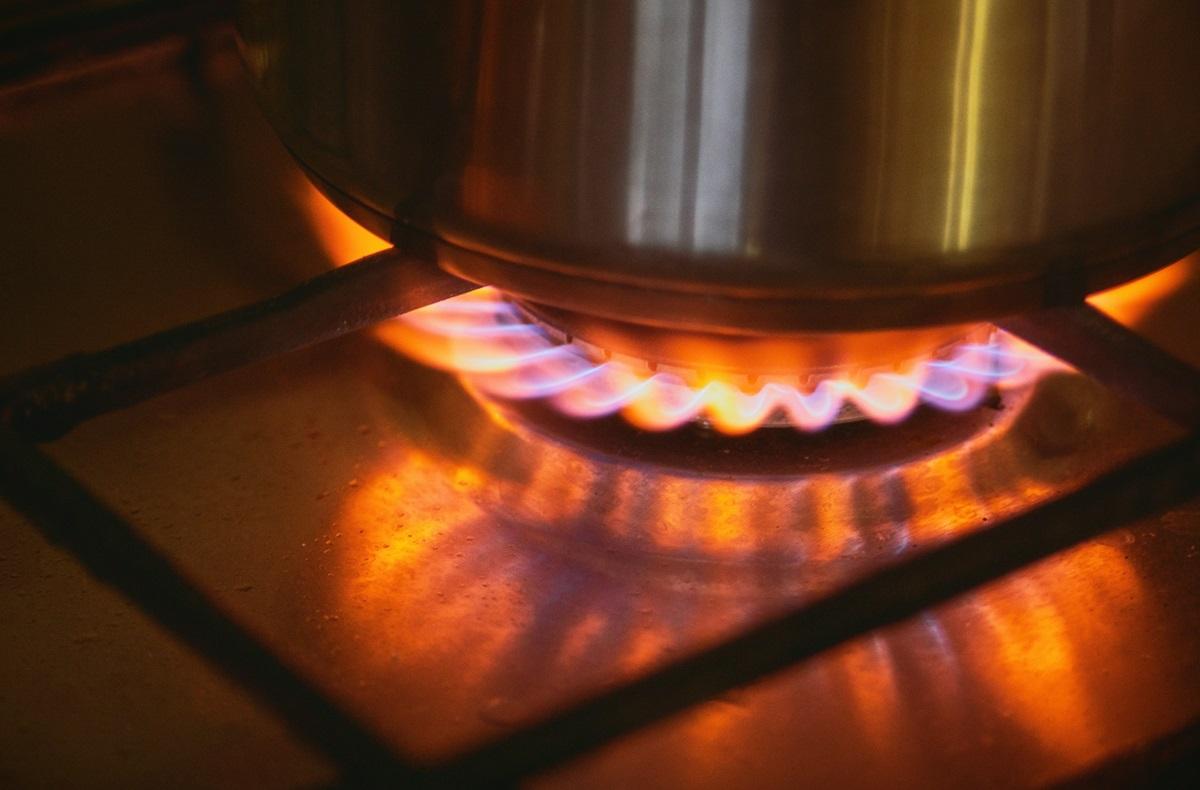
Yahoo Shopping reported that a bright orange flickering flame on a gas stove burner often signals incomplete gas combustion or household air quality issues. A properly adjusted burner produces a blue flame, indicating that gas mixes with enough oxygen for clean, efficient combustion.
When a burner lacks oxygen, gas burns incompletely and creates glowing soot particles that turn the flame orange or yellow. Spilled food or mineral dust from an air humidifier can also instantly turn blue flame tips orange.
The outlet emphasized that understanding flame changes helps restore burner efficiency, maintain clean air, and ensure safe operation. If a burner constantly produces a yellow or orange flame or smells strongly of gas, users must turn off the stove immediately and call a specialist.
Gas Stove Troubleshooting and Cleaning
Homeowners should first rule out indoor air quality issues by turning off nearby cold mist humidifiers before disassembling the stove. If the orange flame persists, grease and carbon deposits may be the culprit.
After the stove cools completely, cast iron grates, burner caps, and heads should be removed. Soaking caps and heads in warm, soapy water softens stuck food and stubborn grease before wiping the base and cleaning parts with a soft, non-abrasive sponge.
Side slots where gas passes must be cleared of crumbs or buildup using a straightened paperclip or needle. Users should not use wooden toothpicks, which can break inside holes and create a larger mess.
After drying each part thoroughly with a towel, burner heads must fit tightly on the base and caps must click into place. A slightly crooked cap blocks airflow, recreating the flickering orange flame.
Cooktop Heating Performance
Experts previously tested different stove types to measure heating speed, recording how fast each brought water to a boil and responded to temperature changes.
Induction surfaces brought nearly 6 liters of water to a boil 2 to 4 minutes faster than gas or electric stoves. Gas remains the most versatile option because flames envelop cookware, making it ideal for woks, cast iron skillets, and pots.


