

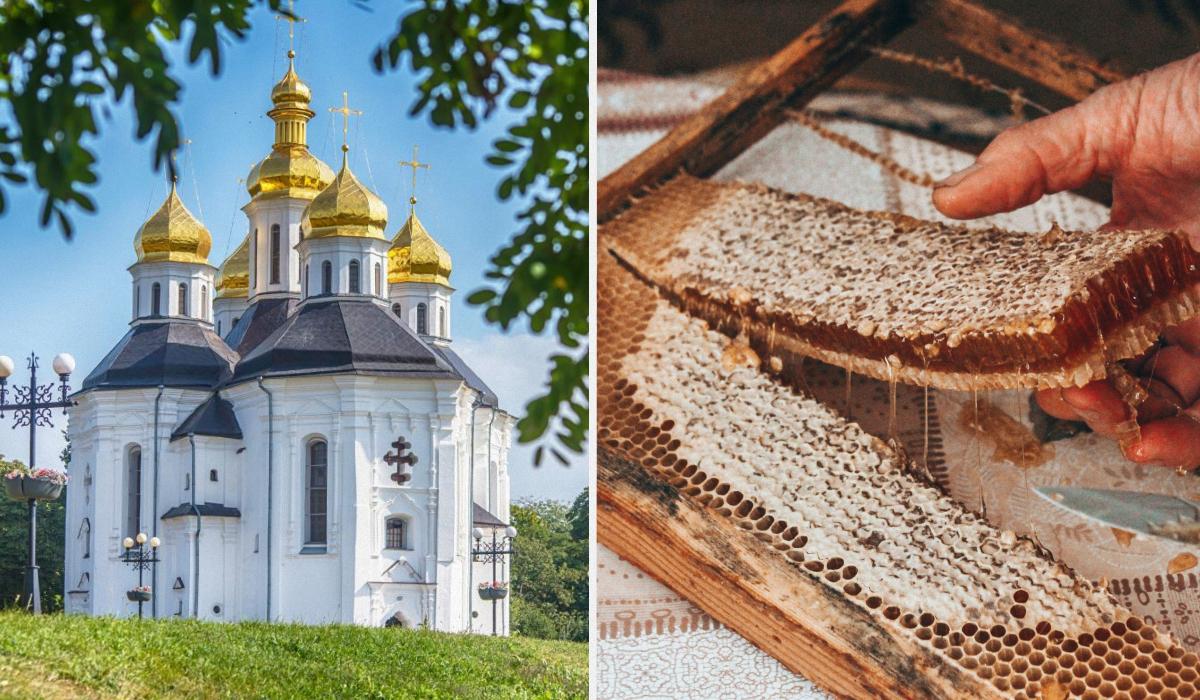
Orthodox Christians in Ukraine mark August 1 as Honey Savior Day, a feast rooted in a Byzantine tradition dating to the eighth and ninth centuries. According to the account, a severe epidemic struck Constantinople, and clergy carried a piece of the Cross through the city and blessed its water sources. Many of the sick began to recover, and the practice of solemnly presenting the Cross for veneration grew from that event.
The popular name Honey Savior reflects the timing of the first honey harvest. The word for Savior in Ukrainian also gives the holiday its religious resonance. The day is also known as Savior on the Water and as Maccabees, because the church simultaneously honors the memory of the holy Maccabean martyrs.
What happens on the day
Worshippers go to church to have honey, water, poppy, medicinal herbs and the first fruits of the new harvest blessed. A minor blessing of water is also performed, which is the source of the name Savior on the Water.
One of the central customs is the blessing of a makoviychyk, a bouquet of poppy heads and field herbs. After the church service it is brought home and kept near icons or by the entrance as a symbol of protection and family wellbeing.
Honey Savior opens a sequence of three August feasts. Apple Savior follows on August 6 (August 19 by the old calendar) and Nut Savior on August 16 (August 29).
The Dormition Fast begins
Because the feast coincides with the start of the Dormition Fast, only lean dishes are served at the table. Before eating, the custom is to give thanks and to eat a spoonful of blessed honey. Believers refrain from meat, dairy products, eggs and alcohol for the duration of the fast.
Traditions and things to avoid
Folk tradition holds that noisy feasts, heavy physical work, housecleaning and other domestic chores should be avoided. An exception is made for beekeepers, who collect the first honey at this time.
Refusing to help someone in need on this day is considered a bad omen. Instead, people are encouraged to show mercy, share honey, give alms and do good deeds, with the belief that goodness done on this day returns to the household as abundance and wellbeing.
Swimming in open water is also discouraged by folk belief, on the grounds that the water grows colder and more dangerous after the feast.
Weather signs
Traditional weather lore links the conditions on August 1 to the coming seasons. Rain is said to predict a cold autumn and no forest fires the following year. A hot, sunny day points to a warm autumn and mild winter. Strong wind signals a snowy and frosty winter, while calm clear weather points to a long dry autumn. If swallows have already departed, autumn is expected to arrive early.


