

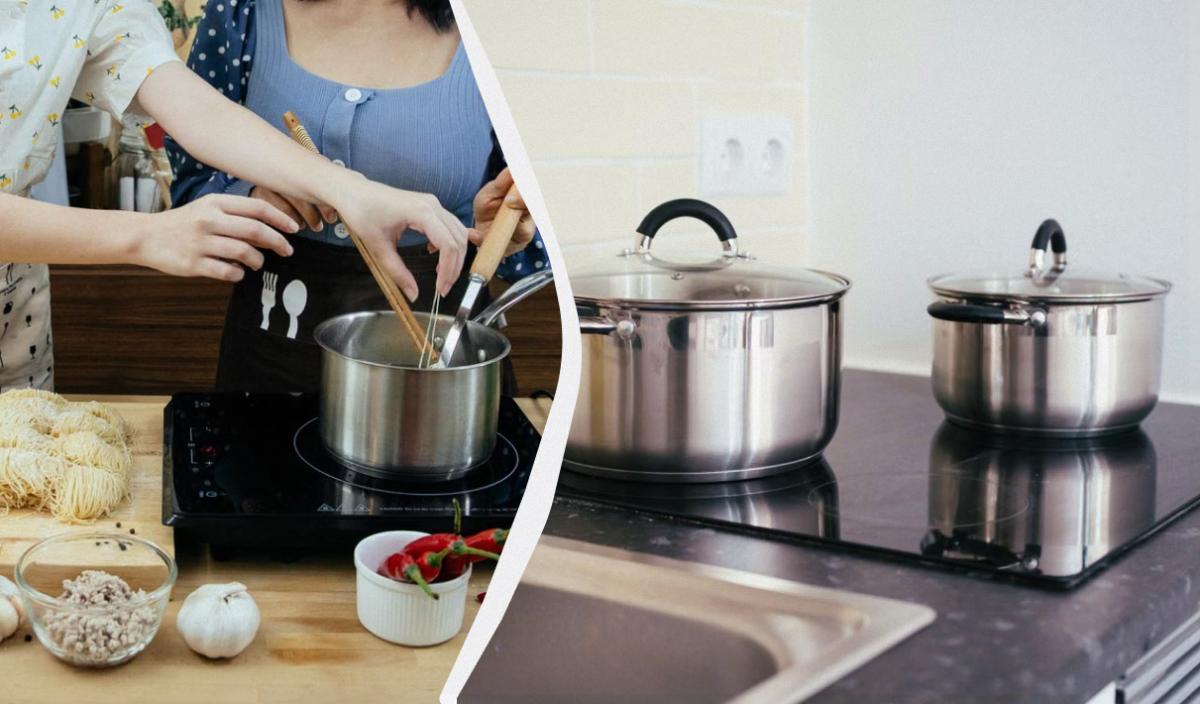
Induction stoves operate with 90 percent efficiency and heat food much faster than standard electric stoves, according to appliance manufacturers. Stove sellers note that while both types run on electricity, their internal mechanics and daily running costs differ significantly.
Homeowners often choose between gas and electric appliances. Electric options split into standard electric hobs and induction models. Both surface types can feature glass-ceramic tops, which makes them difficult to tell apart visually despite their different capabilities.
Heating methods and speed
Standard electric stoves rely on tubular, ribbon, or lamp heating elements built beneath the surface. When turned on, the element gets hot, warms the burner, and transfers heat to cookware, raising kitchen air temperature. Older electric models featured raised round burners, whereas modern versions use flat glass panels.
Induction hobs contain no heating elements under their glass-ceramic tops, using induction coils to generate magnetic currents directly inside the metal cookware base. Because heat originates inside the pot, the cooktop surface, kitchen air, and pot handles remain cool. This direct process boils one liter of water in two minutes on an induction hob, compared to five minutes on a standard electric stove.
Energy use and temperature control
Stove manufacturers state that induction models achieve about 90 percent energy efficiency, whereas electric stoves reach 60 to 70 percent. The longer heating chain on electric appliances wastes energy on surrounding air and stove components, leading to higher electricity bills under equal usage.
Induction cooktops respond instantly when a user adjusts power settings. Electric burners take time to adjust temperature, forcing cooks to adapt to delays while the electricity meter continues to run. Electric stove owners can lower power costs by turning burners off early to finish dishes on residual heat, while neither appliance type alters food taste.
Safety features and cleaning
Both stove types include protective auto-shutdown features that turn off power during overheating or extended inactivity. Induction appliances offer extra safety because cool surfaces prevent accidental burns. Standard electric stoves heat surrounding items, requiring users to keep flammable objects away from the cooking zone.
Newer induction models include material recognition technology. The burner activates only when cookware made of a specific metal and size sits on top, and it shuts off automatically when the pot is removed. This prevents accidental operation if someone switches on an empty burner.
Cleaning differs between the two designs. Induction surfaces remain cool enough that fat drops and food splatters do not burn onto the glass, allowing easy wiping. Electric stoves bake spilled food onto the hot surface, creating stubborn spots that require effort to remove unless cleaned immediately.
Purchase costs
Users identify purchase price as the main drawback of induction technology. Induction hobs cost 20 to 25 percent more than electric stoves due to their internal electronics, safety features, and convenience.


