UNESCO will meet in Beijing on December 1, 2026, to consider a submission from Lithuania's national UNESCO committee asking that the shared Christmas Eve table culture of Lithuania, Poland and Ukraine be added to the organisation's list of intangible cultural heritage, Radio Svoboda reported.
The bid rests on a book, "Traditional Dishes of Christmas Eve in Lithuania, Poland and Ukraine," published by the Lithuanian National Commission for UNESCO together with the Lithuanian National Centre for Culture. It brings together 24 traditional Christmas recipes from the three countries and describes the gastronomic culture of Lithuanians, Ukrainians and Poles, who share a long common history. For these nations, the book argues, Christmas is not just a family holiday but evidence of an unbroken tradition, which is the main argument behind the UNESCO application.
Two years of research
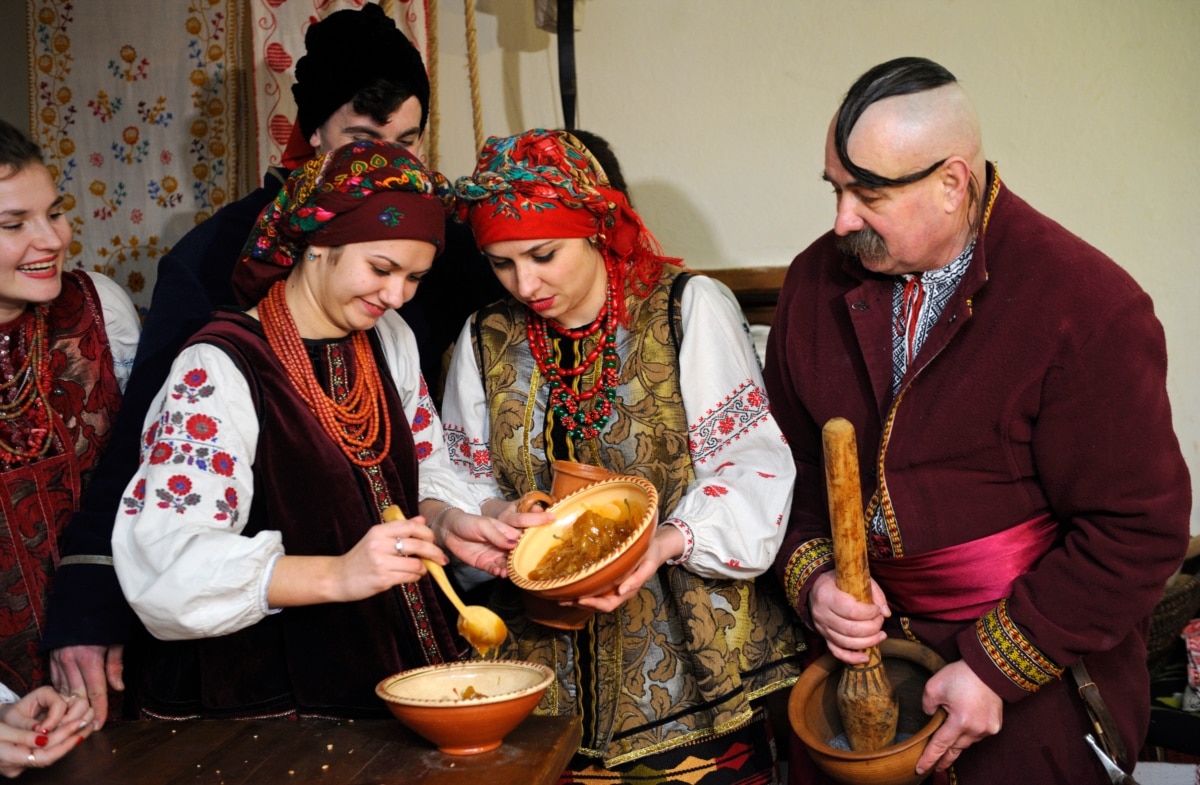
A team of researchers from Lithuania, Poland and Ukraine spent two years preparing the project, even as sharp disputes over difficult chapters of shared history continue on both sides of the Ukrainian-Polish border. The goal was to show what unites the three peoples, and the culture of the Christmas Eve table turned out to be one of the strongest examples.
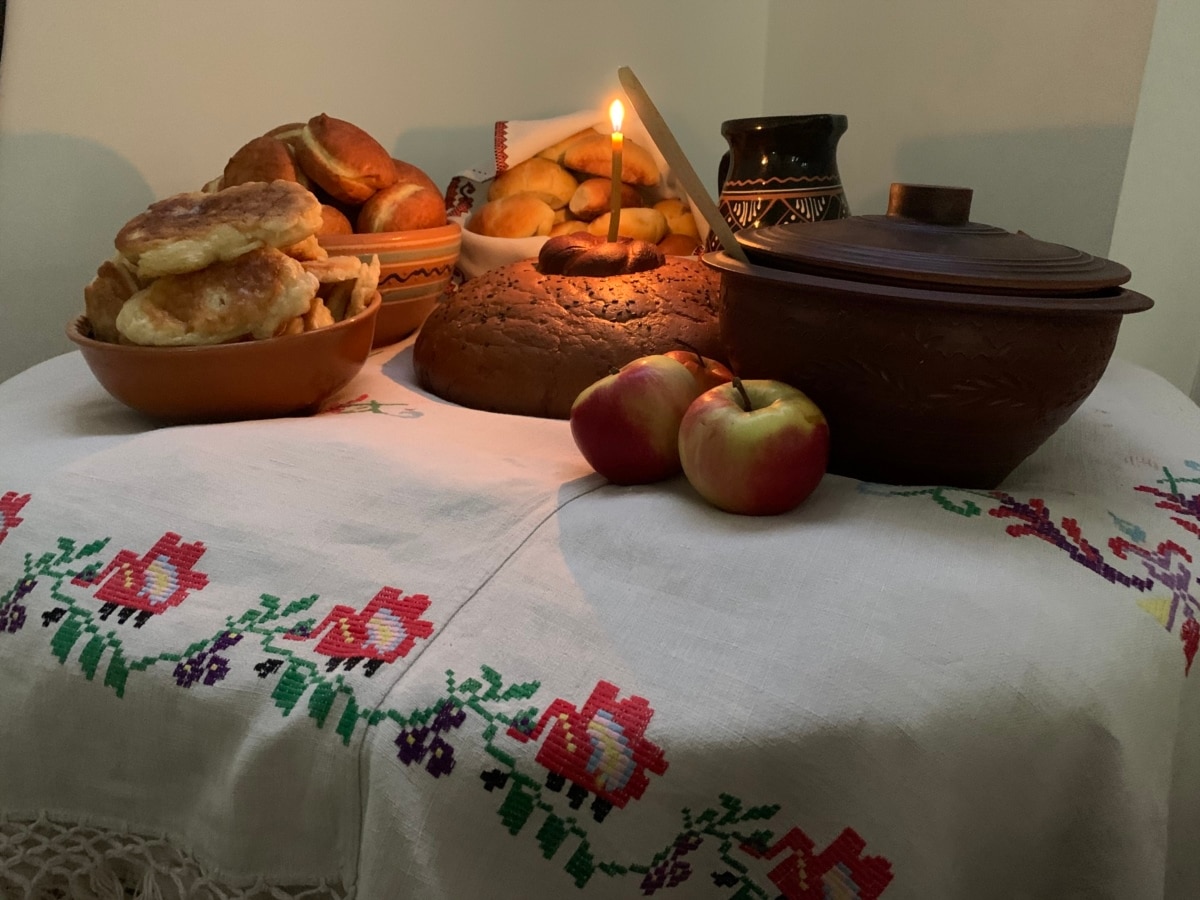
Historian Ihor Lylo, who presents Ukrainian Christmas table culture in the project, told Radio Svoboda that the aim was not simply to list recipes but to explain why Christmas matters as a time when families gather and talk. He said UNESCO does not register individual dishes, so the application covers the broader culture of the Christmas table, which is similar across the three countries because of their shared past in the Grand Duchy of Lithuania and the Polish-Lithuanian Commonwealth. He said a difference remains because Lithuania adopted Christianity later than any other country in Europe, which left a strong pre-Christian influence on Lithuanian cooking, something he compared to Ukraine's own Ivana Kupala holiday, a similar blend of Christian and pre-Christian tradition. He added that Poles share a wafer called the oplatok, while Ukrainians have the kalach, a round braided bread.
Twelve dishes, six of them shared
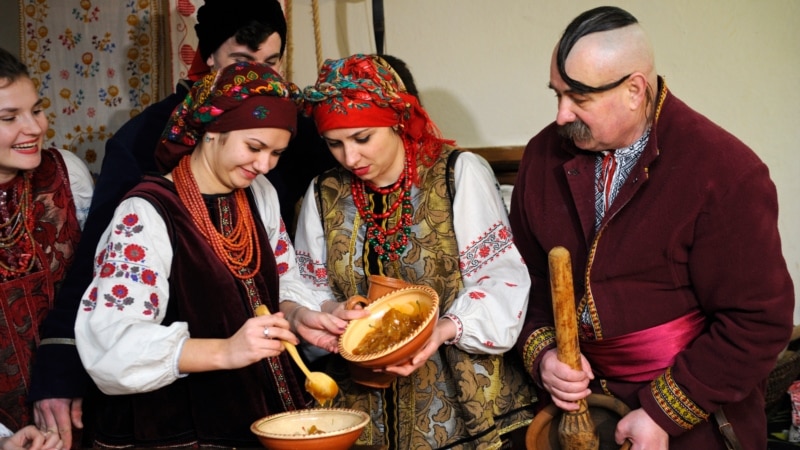
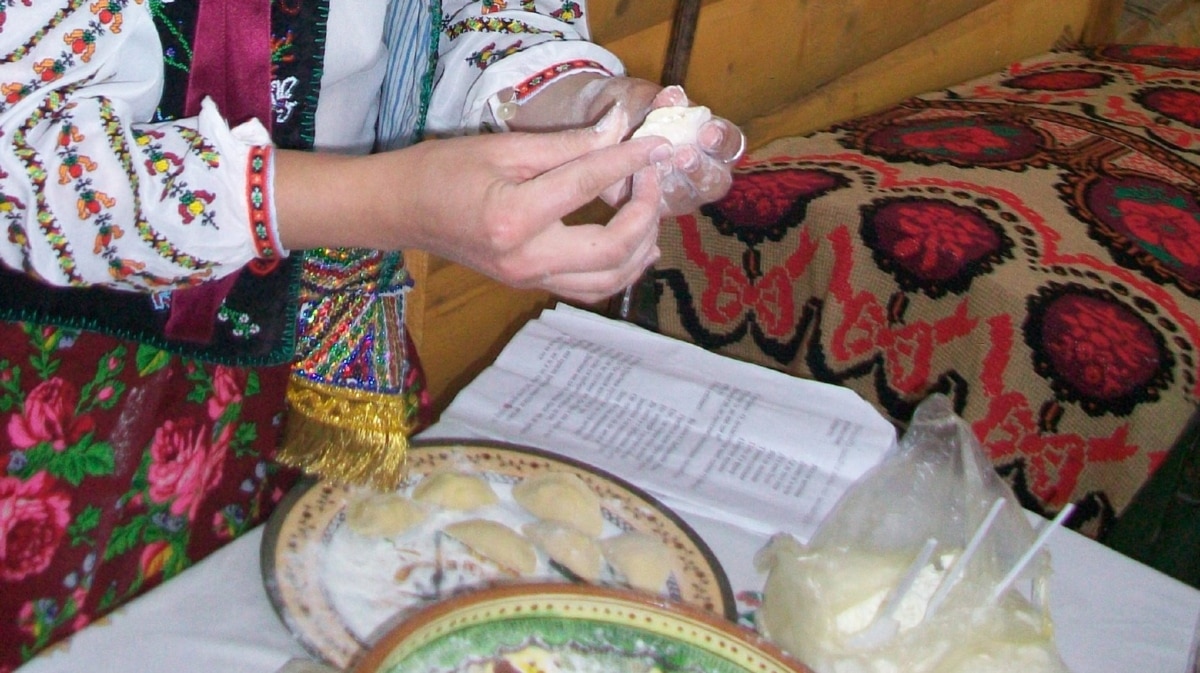
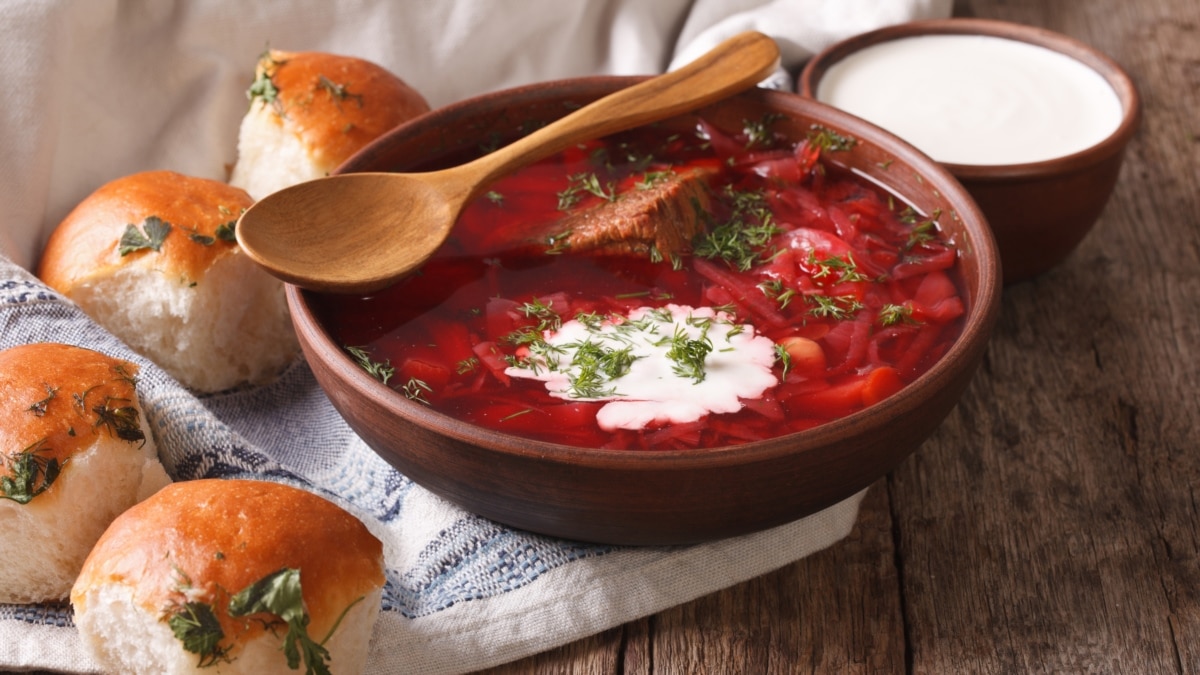
Lithuanians, Poles and Ukrainians traditionally prepare 12 meat-free dishes for Christmas Eve, and researchers found six of them in common: kutia, borscht with vushka dumplings, varenyky with cabbage and mushrooms, fried carp, herring with onion in oil, and cranberry kissel.
The book includes a 16th-century Lithuanian recipe for kutia, a wheat dish that can be thin or thick depending on the household and is still served at every table today. Lylo said kutia arrived from the East through Byzantium and began as a dish for commemorating the dead before turning into a kind of dessert over time. He said Ukraine's recipes in the book are the oldest it could document, because historical bans on the Ukrainian language and Ukrainian-language books meant the earliest written versions only date to the start of the 20th century, compared with the 18th century for Poland and the 19th century for Lithuania. He added that this reflects Ukraine's political history rather than a lack of culinary tradition, noting that Ukrainian-language cookbooks were first printed in the second half of the 19th century in the town of Kolomyia, which became a centre of Ukrainian culinary publishing.
Each country's own specialties
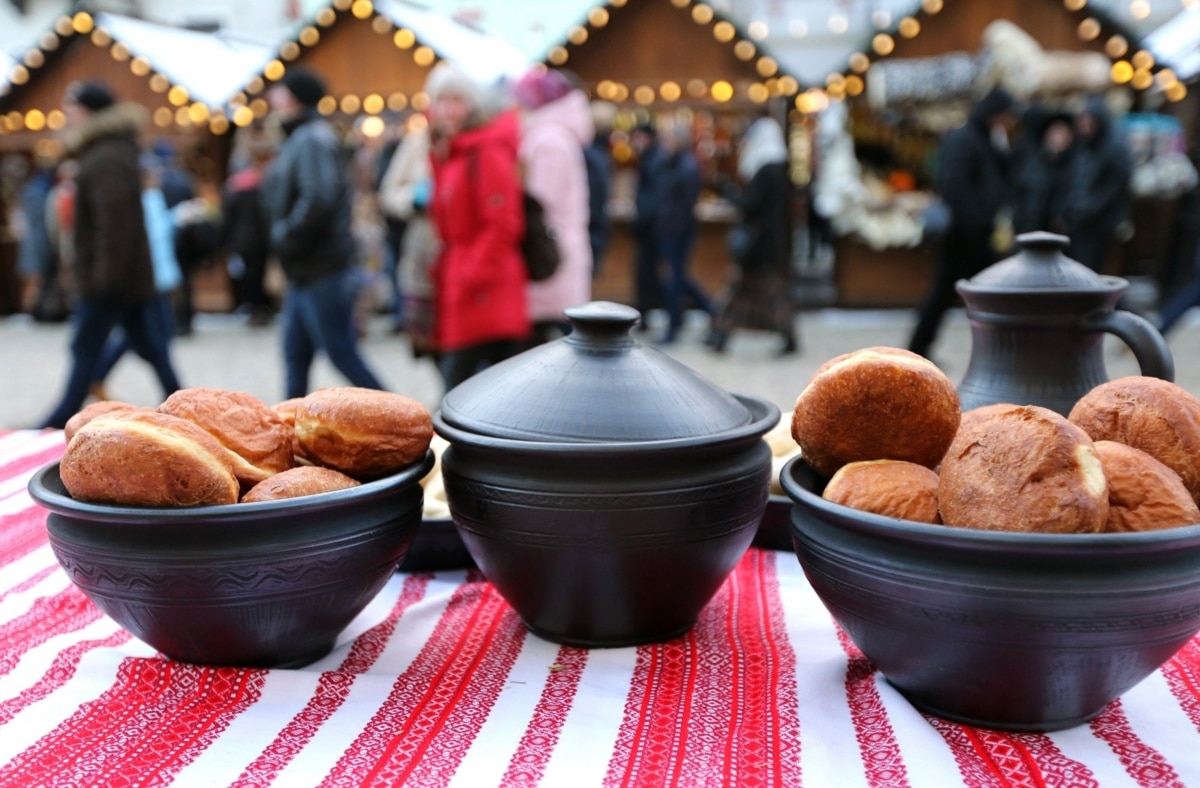
Besides the six shared dishes, each country contributed an equal number of unique recipes. Ukraine submitted kolach, uzvar, poppy-seed pampushky, holubtsi, varenyky with various fillings, and a stewed cabbage dish dated to 1860 in which fish is served on top of the cabbage, plus a further unique dish of pampushky with rose. Poland contributed a poppy-seed cake called makivnyk, mushroom soup, cabbage with mushrooms, peas with cabbage, carp and gingerbread. Lithuania's unique dishes include Christmas poppy-seed biscuits, poppy milk, herring with carrot and onion, hemp salt, buns with mushrooms, and a vinaigrette salad.
The project also records modern recipes from contemporary Lithuanian, Polish and Ukrainian cooks, because one of UNESCO's criteria for listing is that a tradition must still be alive, practiced, passed down in families and taught. Lylo said he had to fit the Ukrainian material onto two pages while also explaining what Christmas means for Ukrainians, who have returned to marking the holiday on the standard calendar.
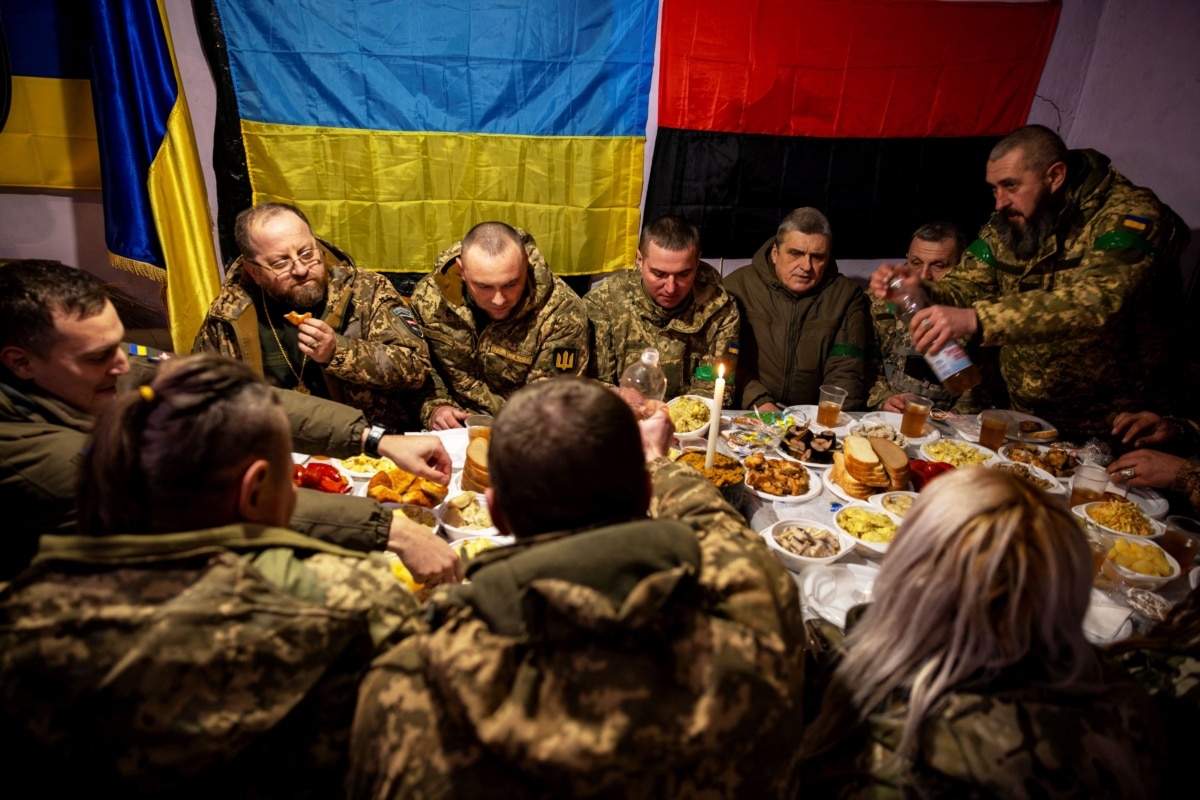
Even on the front line, under constant shelling, Ukrainian soldiers still gather for Christmas Eve.
A shared space across centuries
The project's authors note that a dish associated with one country is not its exclusive property, since Ukrainians cook dishes considered Polish and Poles cook recipes that are part of Lithuanian cuisine. For several centuries Lithuania, Poland and Ukraine formed a single cultural space, known between the 16th and 18th centuries as the Polish-Lithuanian Commonwealth, which the authors describe as a space of intense cultural exchange as well as a political union. They set out to show the continuity of the Christmas Eve tradition that Lithuanians, Ukrainians and Poles have preserved together.
Valentyna Demyan, head of the expert council on intangible cultural heritage at Ukraine's Ministry of Culture, said a strong team of researchers from the three countries worked on the book and that UNESCO spent two years reviewing the project, running a technical check and an evaluation before putting it to a vote. She said Lylo was responsible for the Ukrainian section and that the recipes submitted show the continuity of a tradition dating to the 19th century that survives to this day, pointing to the lenten holubtsi and stewed cabbage recipes still made now. She said she hoped UNESCO would add the Christmas Eve table culture to the intangible heritage list on December 1.
Ukraine's growing UNESCO list
Lylo noted that French cuisine, famous worldwide, was only added to UNESCO's intangible heritage list 20 years ago, after a difficult lobbying process that reached the presidential level, since UNESCO's bureaucratic requirements are strict and the process takes time.
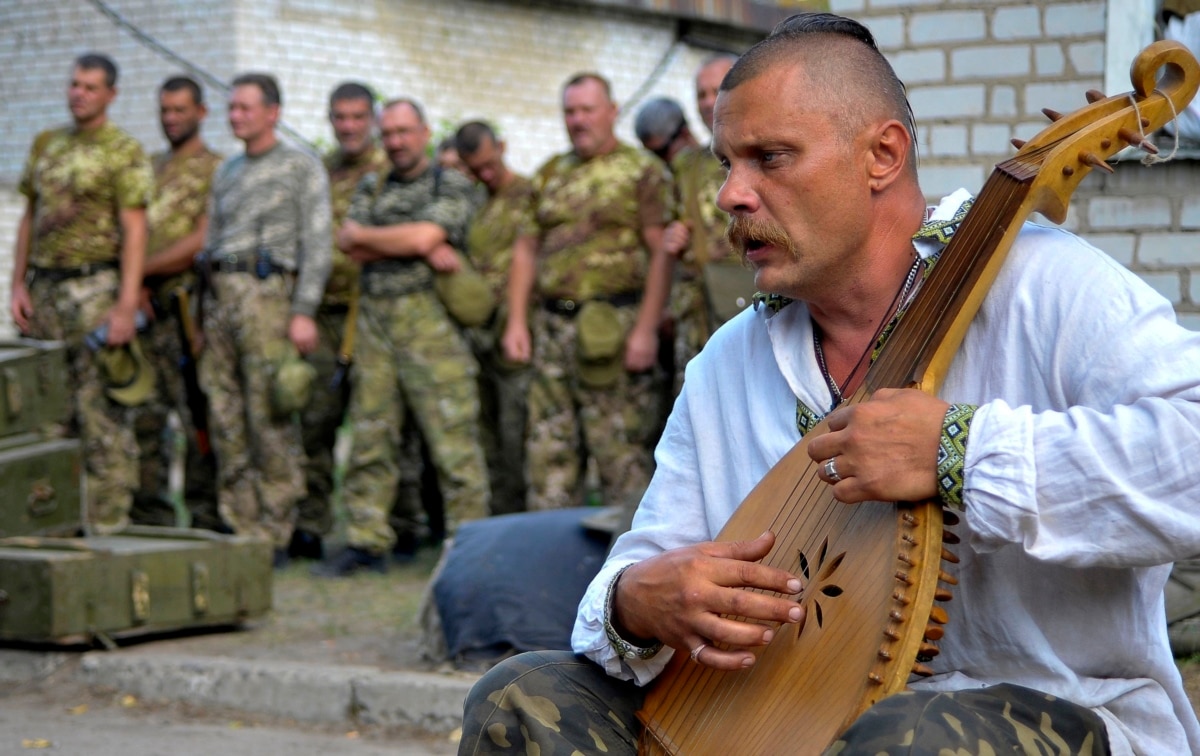
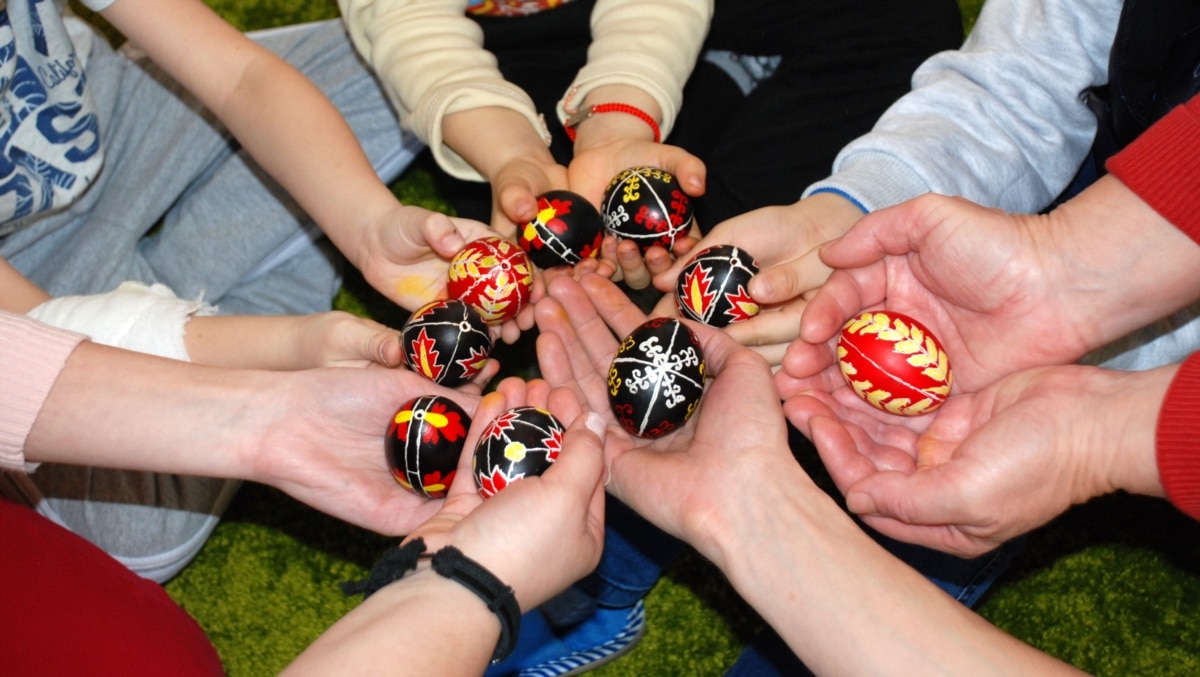
Ukraine currently has seven elements on UNESCO's intangible cultural heritage lists: Petrykivka decorative painting, added in 2013; Cossack songs of the Dnipropetrovsk region, added in 2016; the tradition of Kosiv painted ceramics, added in 2019; the Ornek Crimean Tatar ornament, added in 2021; the culture of cooking Ukrainian borscht, added in 2022; and the Ukrainian pysanka, submitted jointly with Estonia and added in 2024.
Transhumant pastoralism has been on UNESCO's intangible cultural heritage list since 2019, and this year Ukraine joined Bulgaria, Poland, Slovakia and Turkey in a joint application to expand that listing.
What happens next
UNESCO will consider the application on December 1, 2026, with Ukrainian officials saying they hope it votes to add the Christmas Eve table culture to the heritage list.
Test yourself
What will UNESCO consider in Beijing on December 1, 2026?
How many of the 12 traditional Christmas Eve dishes are shared by all three countries?
How many elements does Ukraine currently have on UNESCO's intangible cultural heritage list?