

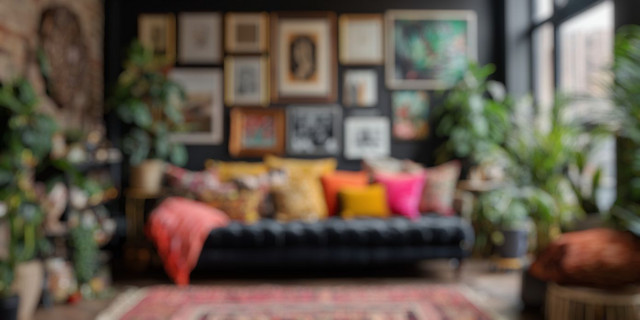
Living room sofa walls are being transformed in 2026 by a shift toward narrative gallery arrangements that highlight personal stories over rigid symmetry. Home decor guidelines for this year recommend focusing on the vertical surface behind primary seating areas, which remains empty and unexploited in most residential properties despite being one of the most prominent features in a living room.
The wall behind a sofa serves as a major visual backdrop for the entire living area and is typically one of the first elements seen when walking into the room. Leaving this space completely bare leaves a room looking flat and unfinished. Styling this area effectively creates a central focal point that brings instant character, harmony, and renewed energy to the room without requiring a substantial budget or strenuous effort.
Rather than relying on strict grids or identical frames, the narrative gallery wall concept encourages home dwellers to select decorative items that express personal experiences. Design guidelines move away from overly formal, symmetrical compositions in favor of lively arrangements that mix personal photographs with artistic prints and textured objects.
Selecting prints, colors and decorative objects
To build a narrative gallery wall, decorators suggest choosing personal photographs that capture meaningful moments, such as family portraits, travel memories, and snapshots of daily life, which help make the living space feel warmer and more personal. These personal images can be combined with art prints and posters. Trending color choices for 2026 emphasize ochre, peach, light blue, and earthy shades, while mixing disparate artistic styles is encouraged to create visual interest.
Wall displays do not need to consist solely of traditional framed artwork or pictures. Incorporating non-framed items such as woven baskets, decorative plates, and small floating shelves displaying travel souvenirs introduces physical texture and visual depth to the wall. Recommendations highlight the use of natural materials, including wood, linen, and metal, while maintaining a cohesive color scheme built around two to three core shades.
Blending new accent pieces with vintage or second-hand items further enhances the overall character of the display. Decorators also suggest placing a small houseplant or a decorative lighting fixture near the wall to introduce light, organic warmth, and additional visual contrast.
Planning and mounting the layout
Assembling a narrative gallery wall starts with positioning a central anchor piece on the wall and gradually expanding outward with smaller items. Incorporating pieces of varying shapes and sizes produces a balanced visual rhythm, while leaving small gaps between individual items allows the entire composition room to breathe.
Decorators advise testing the complete arrangement on the floor before drilling any holes into the wall structure. The primary advantage of this decorating technique is that it requires no structural renovation. Homeowners can easily transform the identity of their living room, make the space more welcoming, and update the display at any time by adding or removing elements as their tastes evolve.


