
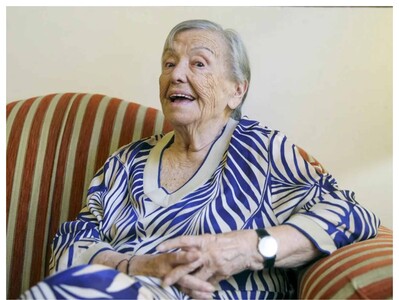
Spanish actress María Galiana, 91, said that dying bothers her enormously and that she has not given up on living, in an interview with the Spanish news agency EFE.
Galiana said it bothers her a great deal to die, calling it horrific, and made clear that despite various ailments and having watched many friends pass away, she has not renounced life.
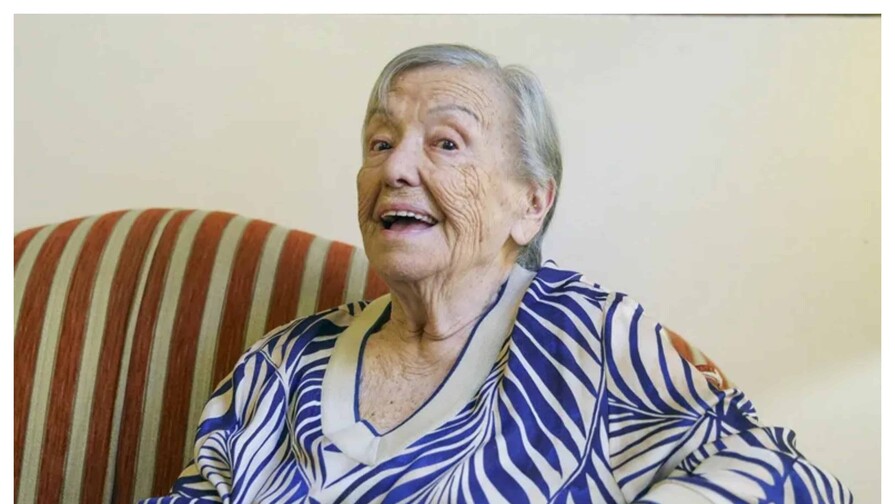
Born in Seville in 1931, Galiana said she does not allow herself many illusions about what life still has in store. She said expecting things from life is foolish.
She said happiness does not exist, and that what exists instead is the satisfaction of a job well done and, at best, a sense of calm and peace. She added that she considers it important not to dwell on oneself, because doing so spares a person disappointment.
A wasted acting career
Despite winning a Goya award for her role in the 1999 film Solas and being aware of the affection audiences developed for her character in the long-running television series Cuéntame cómo pasó, Galiana told EFE that she believes she wasted her career as a performer.
She said that as far as she is concerned, the time she has spent as an actress has been wasted, noting that she spent 22 years playing a grandmother on television. She said becoming known as a grandmother figure was the last thing she ever expected from her life and something entirely foreign to her personality.
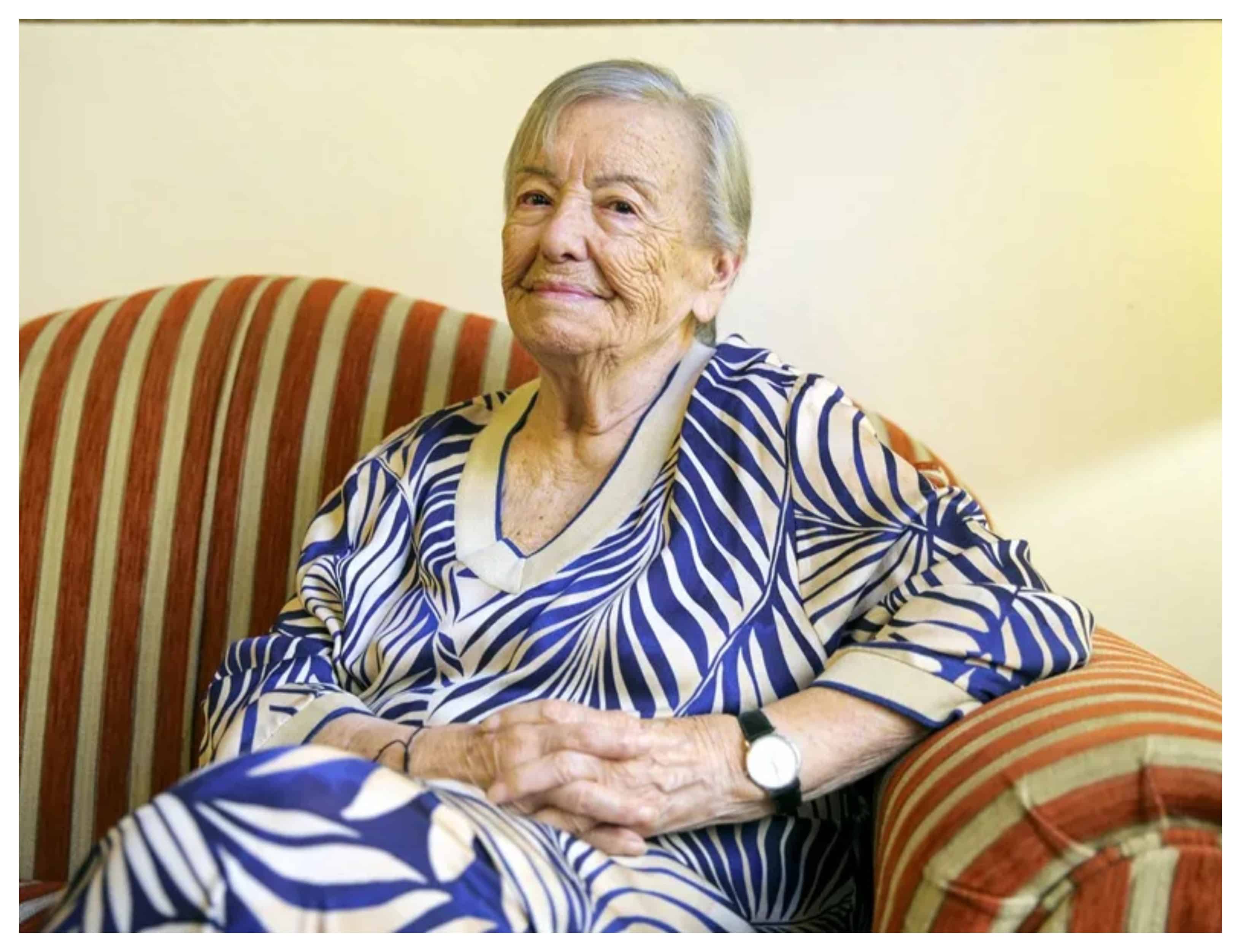
Galiana received the Honor Award of the Iridiscente International Film Festival in Guadix, in the Spanish province of Granada, on Sunday. She said what she would have most liked was to have made films and played characters such as Gertrude, the mother of Hamlet; the wife of Othello; or Mother Courage.
After decades working mainly in television, she said she now performs in theatre to compensate, and that studying dramatic texts is what keeps her feeling alive and alert today.
Machismo lingering in Spanish cinema
Galiana, who describes herself as a free and independent woman because of her academic training, criticised Spanish cinema for reducing secondary characters to mere supporting roles without their own storylines. She said the shortage of women screenwriters has helped keep older female roles largely invisible.
She said part of the problem lies in the fact that most of the people writing film stories are men, and called for greater representation of women among directors and leading performers.
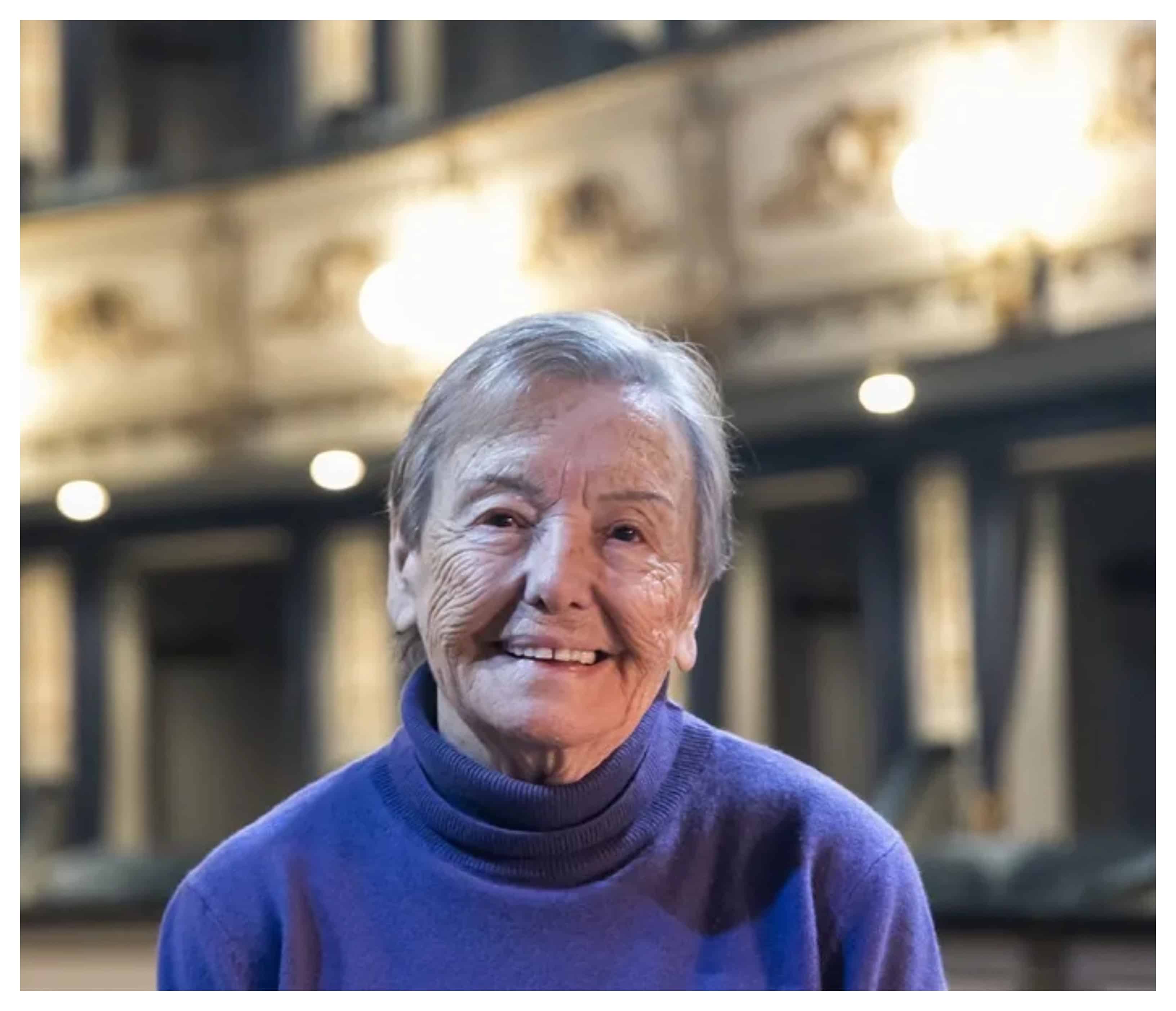
Galiana said she could list a long line of leading men in Spanish cinema, naming Javier Gutiérrez, José Coronado, Antonio de la Torre, Luis Tosar and Javier Bardem. She said that, by contrast, there is no equivalent group of women consistently working and headlining films, aside from isolated cases of an actress who makes one film and receives an award for it.
Fighting a drift toward cruelty
Asked about the values that have guided her life, Galiana pointed above all to responsibility, taking things seriously, honour and humility.
She said she is particularly concerned about a loss of respect and compassion in society, especially school bullying and how easily some pupils turn a classmate into a target. She said there is a clear drift toward cruelty that must be fought by whatever means possible.
She also lamented the growing difficulty of coexisting with people who think differently, and said she misses an attitude she considers increasingly rare: acknowledging a disagreement and still sitting down together for a coffee.
More interest in fame than in learning
Despite her long career as an actress, Galiana said her true vocation has always been teaching, a profession she never felt she had to give up for acting. She said teaching gave her life meaning.
She said she now watches with concern how young people relate to learning, saying they show less curiosity about the world around them and too great an interest in achieving notoriety, largely through social media and influencers.
Against that desire to appear important, Galiana said she values curiosity and learning instead. She said memory has been confused with reciting things like a parrot, when true memory means carrying in one's head things that have actually happened, and that studying remains important and vital. She said that for as long as she is able, she intends to keep learning.