
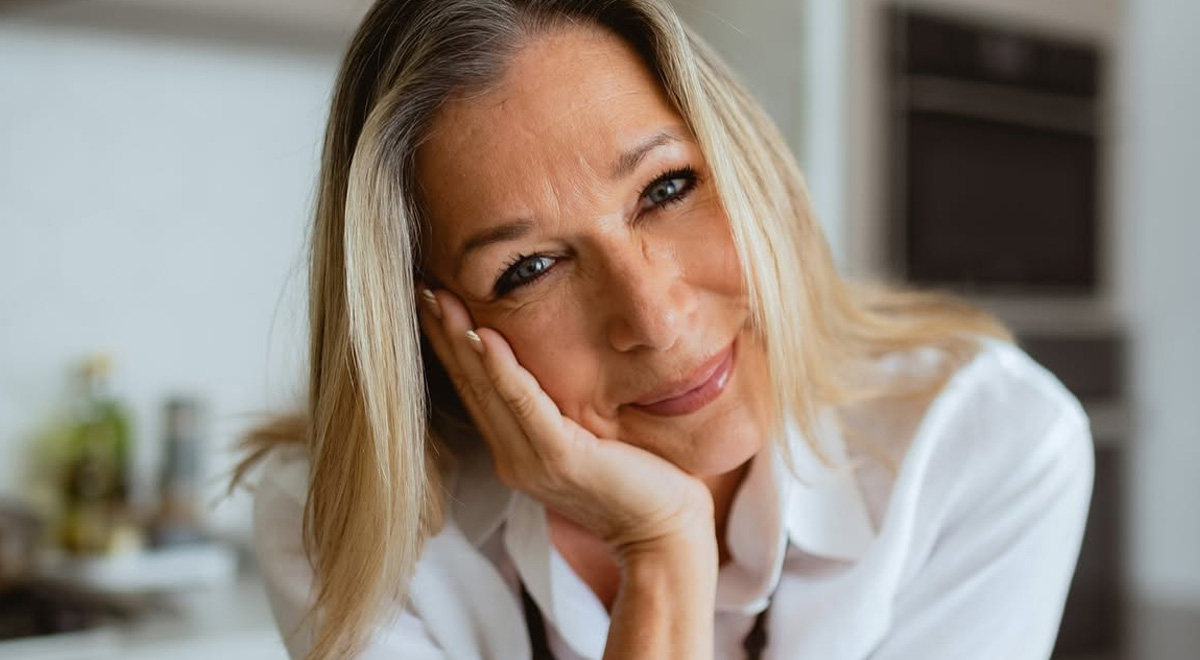
Peruvian television presenter Mónica Zevallos has returned to the small screen for Peru's Teletón charity telethon, and used the occasion to reveal she has decided to leave the United States and move back to Lima on a permanent basis.
Zevallos, best known for hosting the talk show "Vale la pena soñar," said she had been putting off the decision for several years but has now set a date: she plans to relocate to Peru permanently in mid-January.
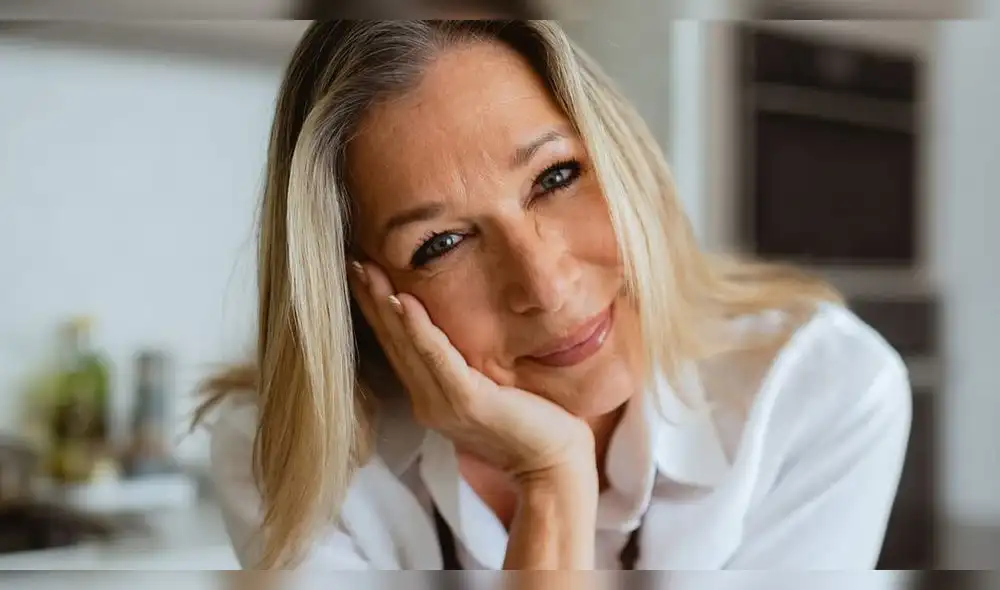
She said her stays in Lima have grown longer each year because her family lives there. She recalled that she had booked a flight back to Miami for August 30 and was determined not to change it, until Sergio León called her two days earlier about the Teletón. She said she could not say no because it involved children and the Teletón, so she changed her ticket again, this time to September 13.
A permanent move to Lima
Zevallos said the decision had been discussed privately with her family and close friends for a long time, but that talk of moving to Lima used to resurface every couple of years without ever becoming concrete. Now, she said, she has an actual date and must return to Miami to close up her home there, giving away and selling belongings and putting her affairs in order after many years of living in the city.
She said the main factor tipping the balance was that she was already spending more and more time in Peru, which made it difficult to commit to projects such as television campaigns or her cooking segment, Juntas en la cocina, given her back-and-forth schedule.
Life in Miami with her children
Zevallos said what was hardest was not leaving the United States as a country but being away from her sons, who live there. She said they were among the first to support her decision, telling her that since she already spends so much time in Peru, the situation will simply reverse and they will visit her instead.
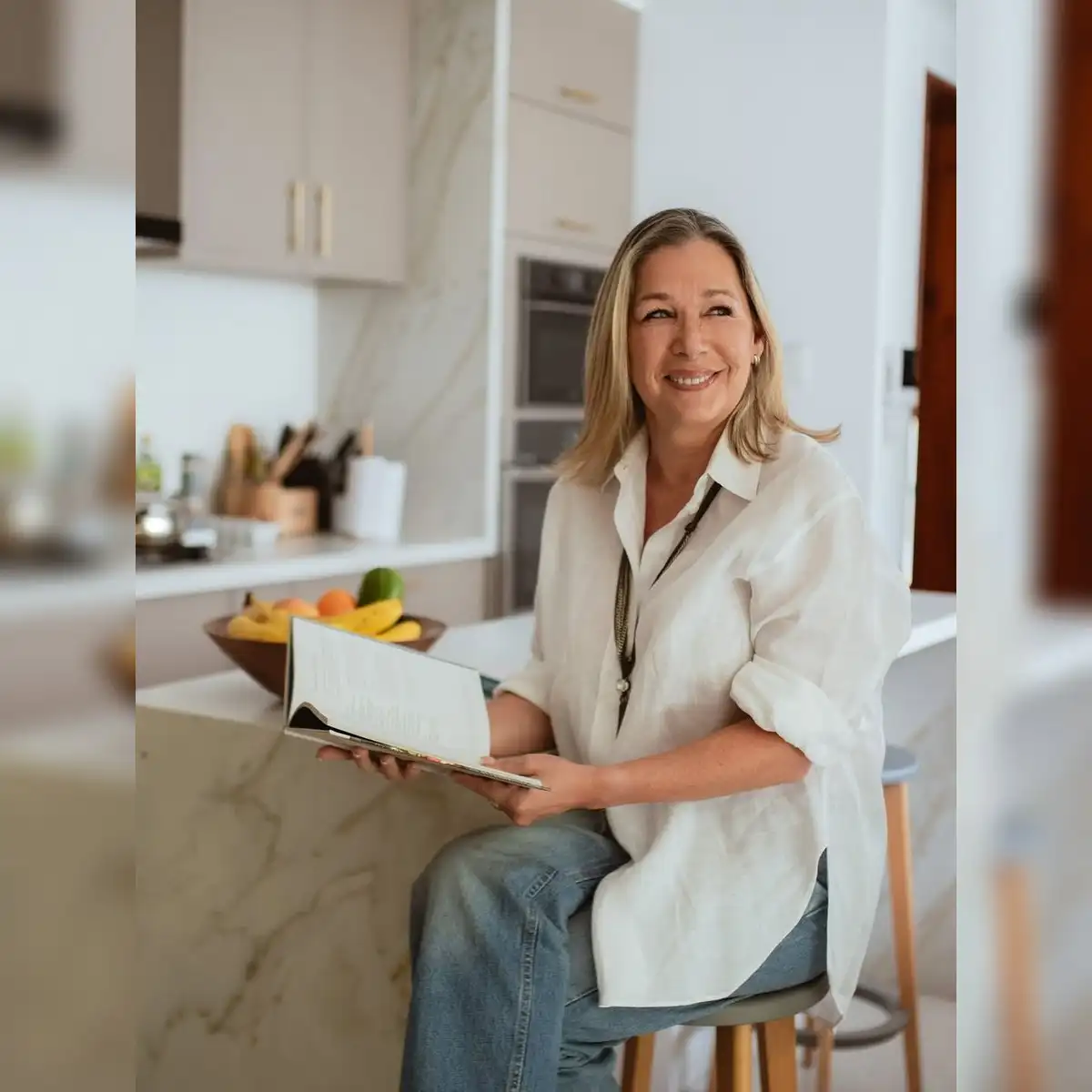
She added that once she settles in Lima she expects to take things more calmly and finally sit down to consider offers from production companies, cable channels or streaming platforms that she had previously been unable to commit to because she lacked a fixed date to move. She said she has thought about developing a personal project but is not closing the door to anything, including television, streaming, YouTube or her own channel.
Discovering streaming with Todo Good
Zevallos also spoke about her recent appearance on the YouTube streaming show Todo Good, an experience she entered through her community manager, Luciana, who belongs to the show's audience. Zevallos said her first reaction was that she had never watched it, so she began watching episodes to understand the format before agreeing to appear, despite wondering what she would bring to it.
She said she was surprised by how warmly she was received by an audience of roughly 18 to 30 or 35 year olds, many of whom were very young or did not know her at all during her years on Peruvian television. She said the experience helped push her toward her decision to move back to Peru.
Career beginnings in news
Zevallos said her career began in news, with her first time in front of a camera coming on Canal 7 in a newscast, followed by the program 90 segundos. She said she never sought out a broadcasting career and believes strongly in destiny shaping a person's path.
She described her move into hosting a talk show as the first major turning point in her career, saying it meant stepping outside a comfort zone built over years of journalism. She said the talk show, which ran for many years and aired not only in Peru but in other Latin American countries and the United States, effectively became her career.
Streaming versus traditional TV
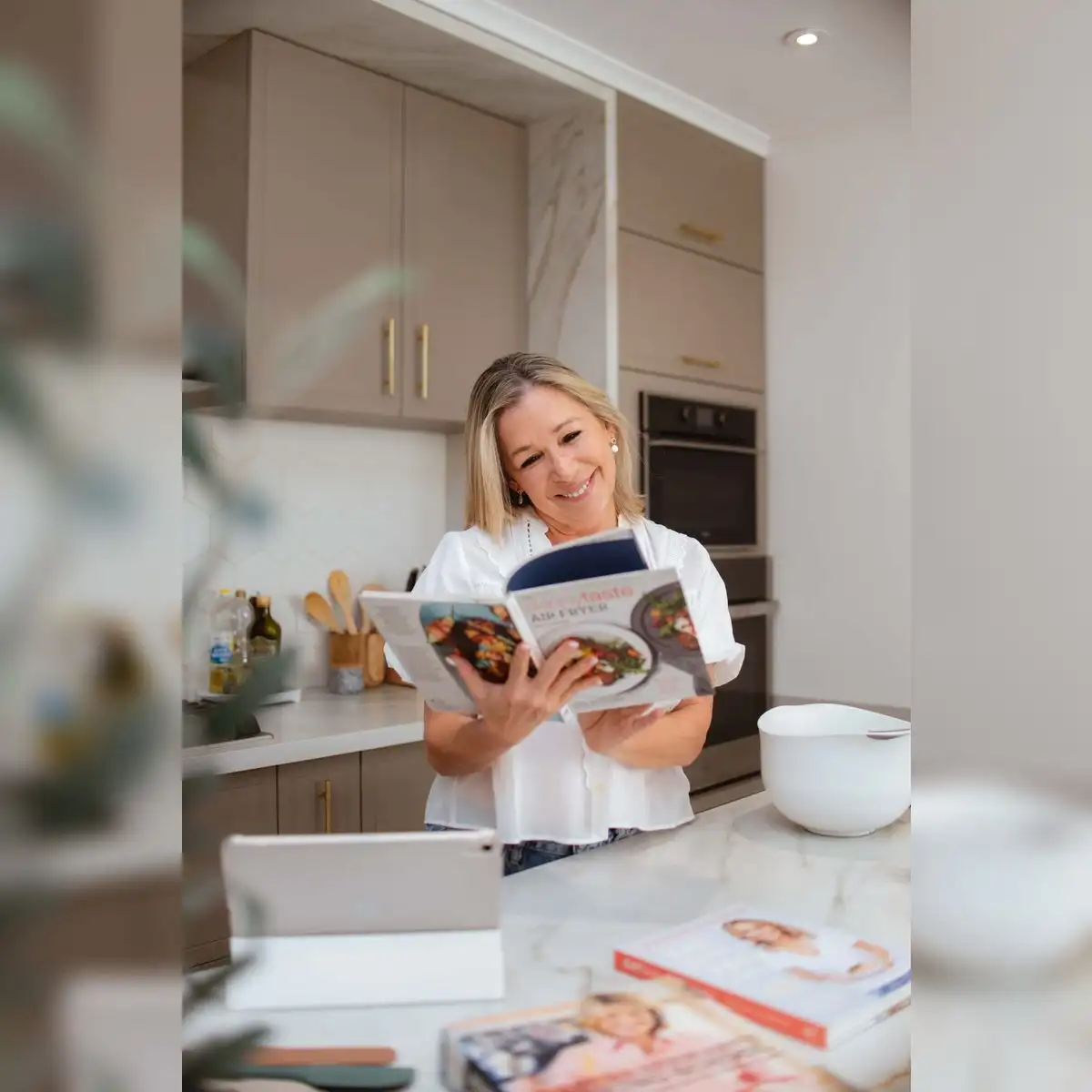
Asked about the relationship between traditional television and digital platforms, Zevallos admitted she is still learning, relying on her niece, sister, children and Luciana for guidance. She said that in the past, a television personality's exposure was limited to a fixed time slot, but streaming allows a host to remain permanently present in a viewer's life, which she said carries enormous responsibility over what one says, recommends and how one behaves online.
She said she does not believe television will ever disappear, drawing a comparison to earlier predictions that radio would vanish. She said media have to adapt and work alongside social platforms, and that television and news in particular will continue to exist because there will always be an audience for local programming, even as the format changes.
She said what excites her most about the current landscape is that performers now have more options, since an idea that would not work on broadcast television can be developed for streaming, YouTube or a personal channel instead.
Visits to Iquitos and Piura for Teletón
On her return to the Teletón, Zevallos said it was moving to reconnect with familiar talents and meet new ones, particularly influencers. She said the campaign this year took influencers and performers to see the Teletón's work firsthand, and that she personally traveled on same-day round trips to Iquitos and Piura so participants could understand what happens with the funds raised, since the campaign is about more than appearing on screen to ask for donations.