

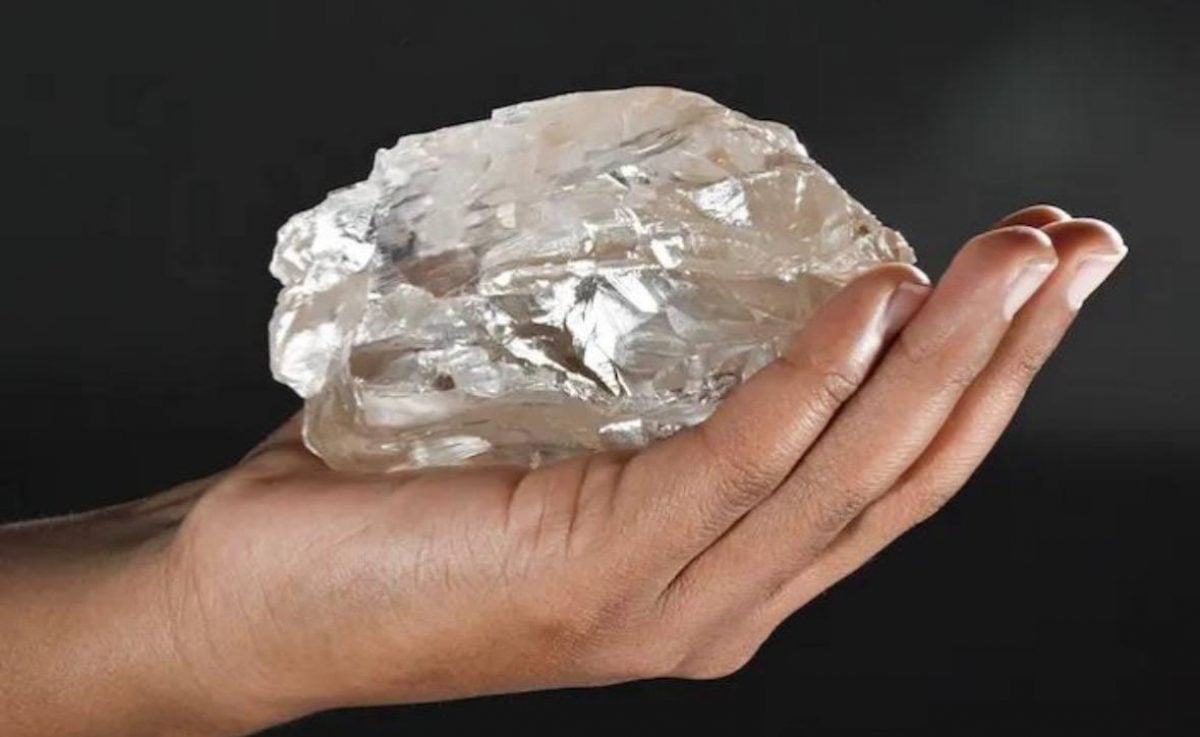
Canadian mining company Lucara Diamond has sold the 2,488.32-carat Motswedi diamond, the world's second-largest rough gemstone, to an undisclosed buyer in Botswana.
The stone remained unsold for nearly two years after its discovery at the Karowe mine in August 2024. Lucara announced the transaction in its second-quarter 2026 financial report published on August 7, 2026, as reported by Business Insider Africa, confirming that the sale proceeds were included in its quarterly revenue of $41 million.
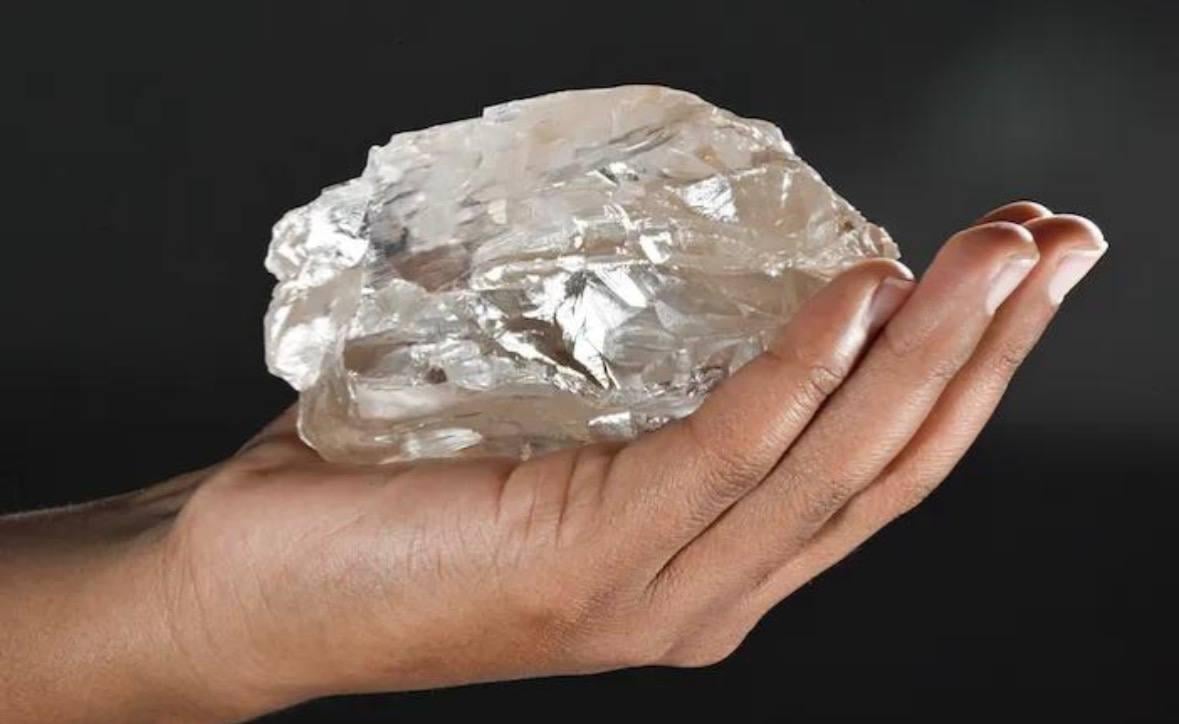
However, the Vancouver-based mining firm did not identify the purchaser or disclose the exact purchase price for the massive gem.
Discovery and carat weight of the Motswedi stone
The gemstone was originally unearthed in August 2024 at the open-pit Karowe mine in north-central Botswana. Early field estimates initially reported the weight of the rough diamond at 2,492 carats, but subsequent cleaning established its definitive weight at 2,488.32 carats. A carat is the standard unit of mass for gemstones, equal to 0.2 grams, placing the weight of Motswedi at nearly half a kilogram.
The Gemological Institute of America, an independent gemological authority based in Carlsbad, California, officially classified Motswedi as the second-largest rough gem-quality diamond ever found. It is surpassed only by the legendary 3,106-carat Cullinan diamond, which was discovered in South Africa in 1905 and famously cut into gems for the British Crown Jewels.
Gemologists at the institute described Motswedi as a transparent, light brown gem-quality diamond. Physical analysis revealed that the stone is a single crystal containing several large gem-quality sections alongside a relatively small number of internal inclusions.
The diamond was named Motswedi from a word in Setswana, the national language of Botswana, meaning a water spring or underground water rising to the surface.
Valuation challenges and future of the gemstone
Securing a buyer for a stone of such unprecedented dimensions proved challenging for Lucara. Extremely large diamonds lack conventional market benchmarks, making it difficult to establish a standardized commercial value.
The purchaser must also determine how to handle the unique crystal. Options include cleaving and polishing the gem into several smaller polished diamonds, or keeping it whole as a collector item or public exhibit. Museums were previously mentioned among prospective buyers for the specimen.
Lucara previously emphasized that it aimed for the sale of Motswedi to deliver a positive and enduring impact for Botswana, where diamond mining provides vital funding for national development.
Market backdrop and ongoing Karowe discoveries
The transaction was completed against a challenging backdrop for the broader diamond industry. Global demand for mined natural diamonds has experienced weakness, while competition from lab-grown synthetic diamonds has exerted pressure on market pricing.
Despite industry-wide pressures, ultra-rare rough gems like Motswedi occupy an isolated niche. Their scarcity attracts specialized collectors willing to pay significant premiums above standard market rates.
Meanwhile, the Karowe deposit continues to yield extraordinary discoveries. In July 2026, Lucara reported finding another giant diamond weighing 1,305.4 carats. That stone represents the tenth diamond over 1,000 carats recovered from the site.


