

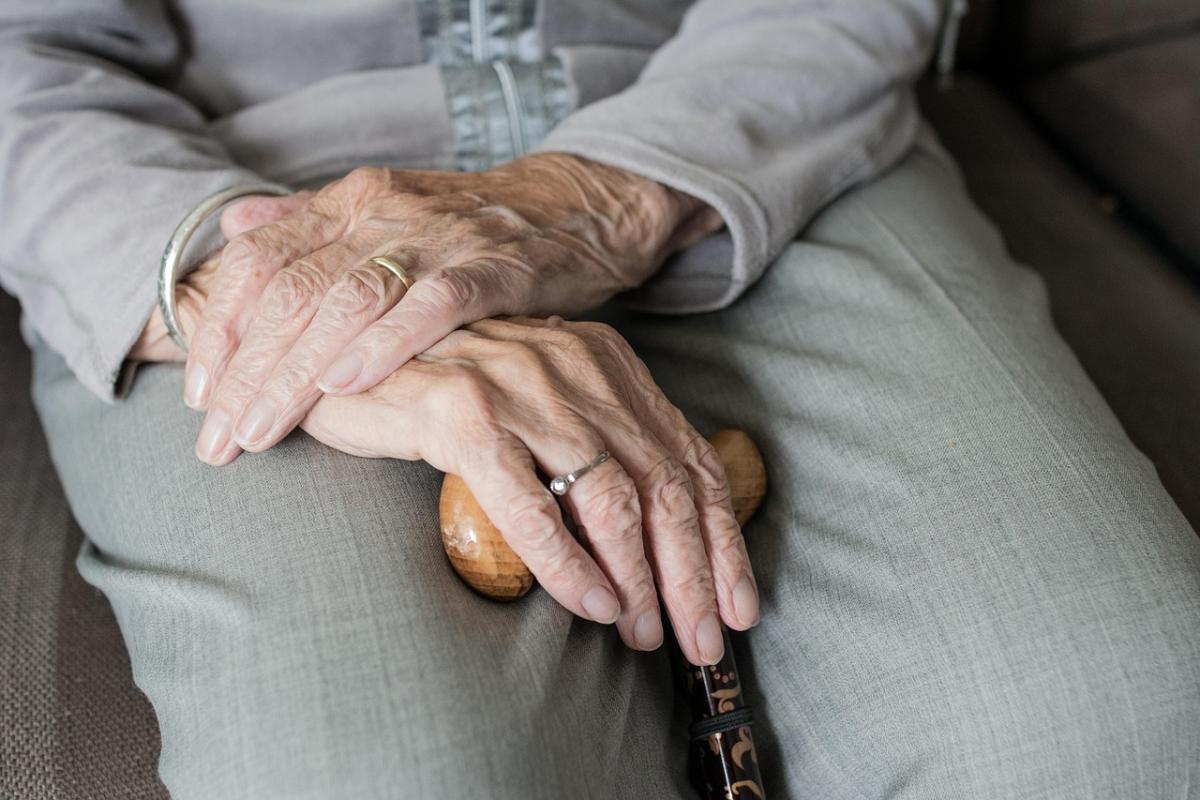
Natalie Greger, a former telephone switchboard operator living in Englewood, is preparing to celebrate her 101st birthday in October after sharing five simple habits for a long life.
The centenarian, who was born in New York in 1925, attributes her longevity to staying open-minded and accepting life as it comes, according to an interview with Today.
Greger plans to mark her birthday milestone with a party featuring mushroom pizza and carbonated water instead of hard alcohol, which she said she has never consumed. She currently resides at a senior care facility in Englewood, a city located in Bergen County, New Jersey, just across the Hudson River from New York City.
Her long life includes a 68-year marriage after wedding her husband at age 21. Together, the couple raised two children, and her family has since grown to include four grandchildren and six great-grandchildren.
Reflecting on her career, Greger worked for years as a manual switchboard operator. During the mid-20th century, switchboard operators played a vital role in telecommunications by manually connecting phone lines with patch cords before automated switching systems became widespread.
When asked what specific choices led to her reaching 100 years of age, Greger admitted she had no idea. She explained that people simply need to remain open, take life as it comes, and enjoy every day.
Daily diet and favorite fruits
Greger begins her breakfast every morning with blueberries, noting that she eats a large amount of the fruit and adores it. She does not follow any rigid diet plan, stating that she basically eats everything.
Registered dietitian Samantha Cassetty highlighted blueberries as the healthiest fruit available due to their concentrated nutritional profile. Rich in antioxidants and polyphenols, blueberries are associated with a lower risk of cardiovascular disease and type 2 diabetes, as well as enhanced cognitive function.
In addition to berries, Greger has maintained a lifelong fondness for apples. Medical research links regular apple consumption to improved heart health, reduced cancer risk, lower inflammation, better gut health, and weight management.
She also enjoys avocados, a creamy fruit native to the Americas. Studies indicate that avocados support skin health, cardiovascular function, and weight control due to their high content of healthy monounsaturated fats and essential nutrients.
Morning treats and bacon genetics
Sweet treats also feature in her routine, with dark chocolate being her favorite indulgence. Dietitians note that dark chocolate contains high proportions of cocoa solids, which harbor phytochemical compounds with anti-inflammatory, anti-cancer, and blood-pressure-lowering properties.
Her other preferred food is bacon. Greger confessed that she loves bacon, adding she probably should not eat it, but chooses to eat it anyway. Her standard breakfast consists of two sunny-side-up eggs, bacon, and an English muffin.
An English muffin is a small, round yeast-leavened bread that is traditionally toasted and split open before serving. Breakfast items like bacon and eggs remain iconic staples of American morning cuisine.
Although several centenarians have reported eating bacon regularly, health experts caution that their habits may not work for everyone. Dr. Thomas Perls, director of the New England Centenarian Study, previously explained that individuals who live past 100 while consuming processed meats often possess rare protective genes that shield them from age-related illnesses.
The New England Centenarian Study, based at Boston University, is one of the largest and longest-running research projects examining long-lived individuals to identify genetic factors that promote healthy aging.
Ballroom dancing and staying active
Movement has played a central role throughout Greger's life, particularly ballroom dancing. After teaching her husband how to dance, the couple established a weekly ritual of putting records on the player after Sunday breakfast and dancing across their living room and dining room.
Greger recalled dancing at the Brooklyn Academy of Music when she was 20 years old. Founded in the 19th century, the historic Brooklyn institution remains a major performing arts venue in New York City.
She said she felt like a Rockette dancer during those years because her legs could kick so high, though she acknowledged she can no longer perform those moves today. The Rockettes are a famous American precision dance company founded in 1925, renowned for their iconic high kicks at Radio City Music Hall.
Today, Greger continues to move to music by participating in chair-seated dance sessions. According to the US National Library of Medicine, dancing combines aerobic exercise with strength training, improving heart health, balance, coordination, mood, and social connection while reducing the risk of dementia.
Mental stimulation and calming pastimes
Greger learned to knit from her mother as a young girl and spent most of her life crafting blankets, hats, and sweaters. She stopped knitting a few years ago due to problems with her hands.
Crafting hobbies like knitting and crocheting offer documented mental health benefits. Academic studies show that yarn crafts foster calmness and happiness, helping people cope with chronic pain, illness, and grief.
To keep her mind sharp, Greger plays Solitaire on her iPad and enjoys Canasta card games with friends. Canasta is a matching card game of the rummy family created in Uruguay in the 1930s. Research shows that playing card and board games helps elderly adults preserve cognitive functions.
Stress management and optimism
Managing daily stress is another key factor in living a long life, according to researchers. Greger said she avoids dwelling on obstacles and prefers not to talk extensively about her problems, which she said makes her life easier.
She described herself as a happy person who loves to laugh and tell jokes, noting that she used to be a skilled storyteller who enjoyed telling dirty jokes. Scientific studies show that severe stress can shorten lifespan by nearly three years, posing a greater threat to health than physical inactivity.
Researchers have identified a significant link between cumulative stress and accelerated aging. However, psychological resilience, emotional regulation, and self-control can slow this aging process down.
Greger stated that she is definitely an optimist who believes everything will turn out well, even though she has faced difficult times in her life.
Research links optimism to exceptional longevity, defined as reaching age 85 or older. Studies indicate that optimistic people tend to have healthier cardiovascular, metabolic, immune, and pulmonary systems, leading to an 11 to 15 percent increase in lifespan. Experts add that optimism promotes healthier behaviors and helps individuals reframe stressful situations as manageable challenges rather than threats.


