


Orthodox believers across Russia mark Nut Savior on August 29, 2026, celebrating the traditional harvest feast with church blessings, gift-giving, and family gatherings.
The annual holiday, also known as Bread Savior, Canvas Savior, and Savior Not Made by Hands, concludes the late summer harvest season. Lenta.ru editor Ekaterina Kersipova published a detailed guide to the celebration, highlighting traditional greetings, historical roots, and gift suggestions.

Date and Status of the Orthodox Holiday
The holiday falls on August 29 each year as a fixed date in the Orthodox liturgical calendar. Unlike moveable feasts, its timing does not depend on the date of Easter.
Although Nut Savior is an important religious celebration for Orthodox Christians, it is not an official state holiday. In 2026, the feast falls on a Saturday, giving believers a weekend day off to attend services and gather with relatives.

Origins and Traditional Names of the Feast
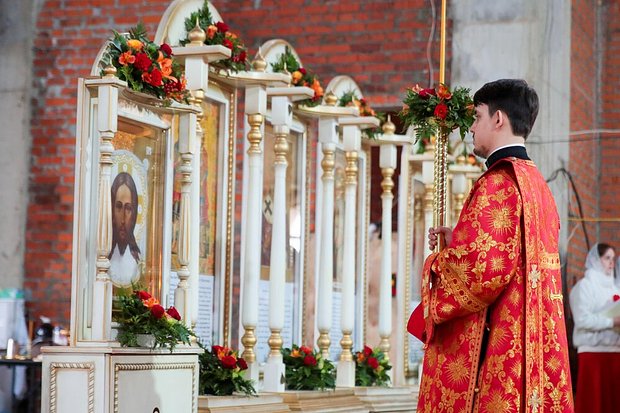
In church tradition, the celebration is officially named Savior Not Made by Hands. According to scriptures, Jesus Christ washed his face with water and wiped it with a cloth towel, leaving an imprint of his face from which artisans painted the first icons. The miraculous towel was later taken to Edessa, located in modern southeastern Turkey, where it healed the city ruler Abgar of his illness.
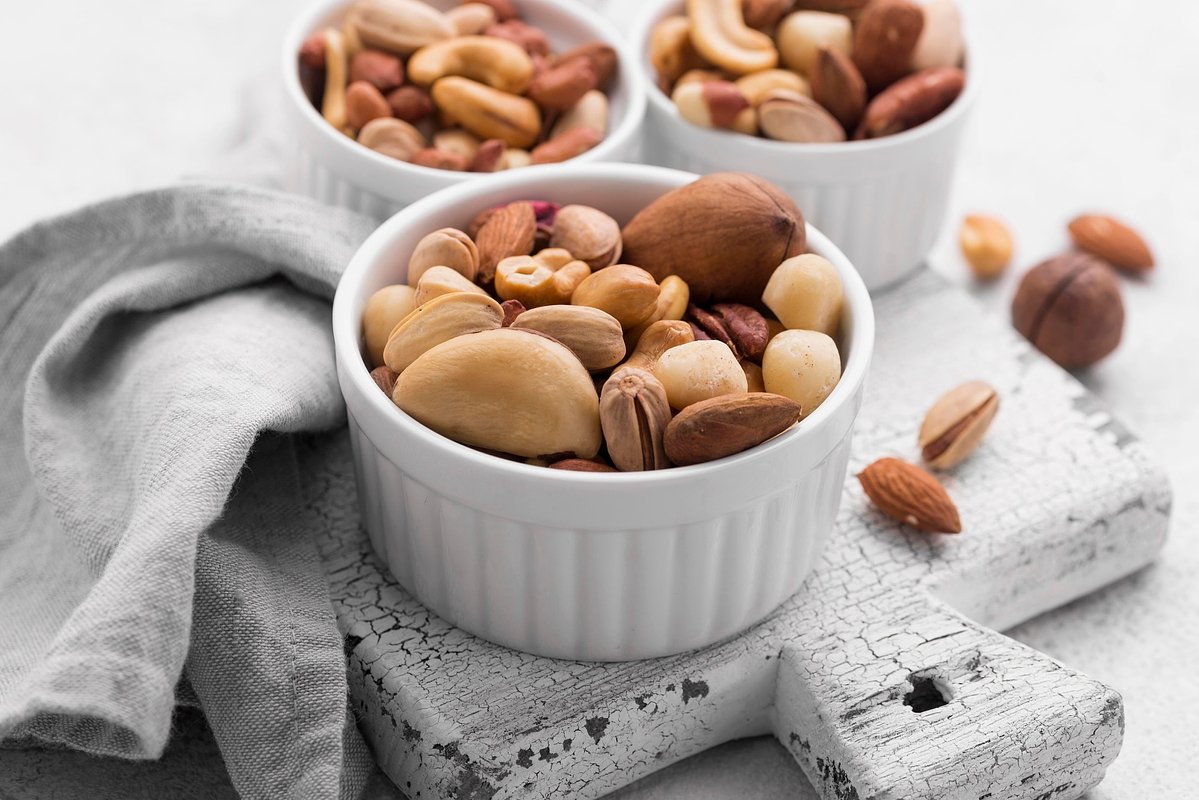
The popular title Nut Savior reflects agricultural rhythms, as wild nuts ripened in forests and gardens by late August. Villagers gathered the crop to bring to church for blessing, while homemakers sold collected nuts and hand-woven linen cloth at seasonal fairs. This practice gave rise to another common title, Canvas Savior.
The holiday is also called Bread Savior because rye and wheat ripened alongside nuts. In years when nut yields were poor, farmers celebrated a bountiful grain harvest by baking loaves from new flour and presenting both fresh bread and seed grain for church blessings.
Traditional Wishes and Prose Greetings
Families and friends share traditional prose greetings during the feast to offer blessings and encouragement. One prose wish suggests that life should be as bright and varied as a mix of nuts, bringing daily opportunities and joy. A second message wishes recipients a surge of energy and self-confidence, expressing hope that life's hardest problems crack as easily as nuts.
A third prose greeting sent to loved ones wishes dreams as sweet as nut cookies, paired with patience, courage, and creative inspiration. A message addressed to specific named relatives hopes each nut eaten on the holiday fills them with health and divine grace. A fifth greeting wishes hearts to fill with joy like nut plants bearing fruit, along with happiness as durable as a hard nut.
A prose wish for friends calls for harmony and a life like a full cup that leaves room for daily bread and spiritual joy, adding that human effort should yield fruit like cared-for nut trees. A seventh wish asks God to protect the household from illness and adversity, filling the home with faith and understanding.
An eighth greeting honors bread, nuts, and linen as fruits of human and earthly labor. It reminds believers of the eternal value of sharing the harvest with neighbors, wishing unbending firmness of spirit, purity of thoughts, and endless abundance.
A ninth prose greeting highlights the generosity and fertility of nature, wishing every gathered nut to symbolize strong friendship, health, and family happiness. A tenth message for friends expresses hope that nuts gathered on the holiday offer strength and resilience to overcome difficulties.
An eleventh greeting notes that summer is ending and nature is sharing its bounty, wishing recipients health and a life as rich as nuts on market stalls. A twelfth wish hopes for warmth, multiplying prosperity like nut clusters, and daily inspiration.
A thirteenth message written for parents wishes a cozy and prosperous atmosphere that lasts into future days, along with open hearts for new achievements. A fourteenth greeting describes the late August holiday as a starting point for a new phase of life, wishing talents to open fully while hardships blow away like empty husks. A fifteenth prose wish calls for peace, harmony, storerooms bursting with goods, and hearts bursting with love under divine blessing.
Greetings in Verse for the Feast
Rhyming greetings offer another traditional way to share holiday wishes among relatives and churchgoers. One poem welcomes the Nut Savior and wishes inspiration, health, happiness, a house full of smiles, and divine protection for host and guests.
A second poem extends wishes from the heart for happiness to knock on the door, asking people to forget past sorrows and welcome the feast with love. A third verse marks the final Savior holiday of the summer, wishing joy, luck, and the fulfillment of all dreams.

A fourth poem notes that church doors open wide for Nut Savior, wishing divine services to fill hearts with love from the Son and God the Father. A fifth verse wishes the husk of worldly cares to blow away in the wind, leaving the soul living in warmth and bright wonder.
A sixth poem wishes health, love, household prosperity, and peaceful years, asking that trouble pass by while dreams remain. A seventh verse describes cool autumn air arriving as tables overflow with sweet nuts, honey, and bread, wishing happiness, peace, and a blooming soul.
Short Messages for Instant Messaging
Short text messages provide quick greetings suitable for instant messaging platforms. One brief message wishes life to be as delicious as nuts, accompanied by a nut emoji. A second short text wishes health, happiness, and spiritual well-being, while a third message wishes joy and happiness to grow strong like a nut harvest.
A fourth text message wishes strong health and well-being for recipients and their families. A fifth message hopes every new day brings joy like nut trees laden with harvest, while a sixth short wish calls for love and happiness to remain in the home.
A seventh short greeting for the Third Savior wishes hearts to fill with joy like fruit-bearing nut trees. An eighth message hopes every moment is as sweet as nut filling in a delicious cake.
A ninth text wishes happiness sweet like cashews, abundant like hazelnuts on branches, and strong like a walnut shell. A tenth short greeting invokes the Savior Not Made by Hands to wash away family ailments and grant lasting health and prosperity.
Traditional Gift Suggestions for Nut Savior
Gifts exchanged during Nut Savior focus on natural materials, baked goods, and household comfort. Home-harvested or store-bought nuts remain the primary gift option. Presenters can purchase ready-made gift sets or pack loose varieties into hand-embroidered linen bags placed inside woven baskets.
Linen items for the home also serve as practical presents. Kitchen towels, tablecloths, aprons, and cloth pouches for tea, dried mushrooms, herbs, and nuts suit household needs during the autumn season.
Fresh bread baked at home or bought from a bakery represents another traditional gift, reflecting the holiday's identity as Bread Savior. Hosts can also bake pies or nut cookies to share with visitors.
Bath brooms crafted from hazel branches appeal to owners of dachas or frequent bathhouse visitors. Ancestors bathed with hazel brooms on Nut Savior to protect themselves from illnesses and the evil eye.
Wooden tableware featuring nut carvings, spice jar sets with thematic decorations, and soft natural wool blankets complete the traditional gift options for creating autumn warmth in the home.


