


The Russian Orthodox Church celebrates the Feast of the Transfiguration of the Lord on August 19, 2026, marking one of its major annual religious holidays. Popularly known across Russia as Yablochny Spas or the Apple Saviour, the occasion combines solemn church services with traditional family gatherings, seasonal fruit blessings and festive gift giving.

Believers mark the holiday by sharing heartfelt wishes of health, peace and spiritual grace with family and friends. Many exchange greetings that highlight the aroma of ripe apples, the sweetness of life and the warmth of the family hearth. The day is seen as an opportunity to wish loved ones firm faith, inner tranquility and new achievements in good deeds.
Because the holiday falls during a period of religious fasting, greetings also emphasize spiritual purification and gratitude for the earth's harvest. Families often gather over seasonal baked goods, while children and parents share traditional meals. Wishes delivered in verse and short messages for mobile phones carry similar themes, calling for homes to be filled with abundance and for souls to shine with kindness.
Special greetings are traditionally directed toward parents, thanking them for their wisdom, care and hard work in cultivating gardens and raising families. Short text messages sent via messaging applications also express concise wishes for divine protection, strength to overcome life's difficulties, and spiritual joy.
Traditional Gifts for the Holiday
While joint prayer is considered the finest gift for a believer on the Transfiguration, many traditional material presents are also customary for the occasion. Universal gifts include seasonal treats, although gift givers must take into account the rules of the ongoing fast. Suitable choices include Lenten pastries baked with seasonal fruits, fruit pastila, apple jam and honey.
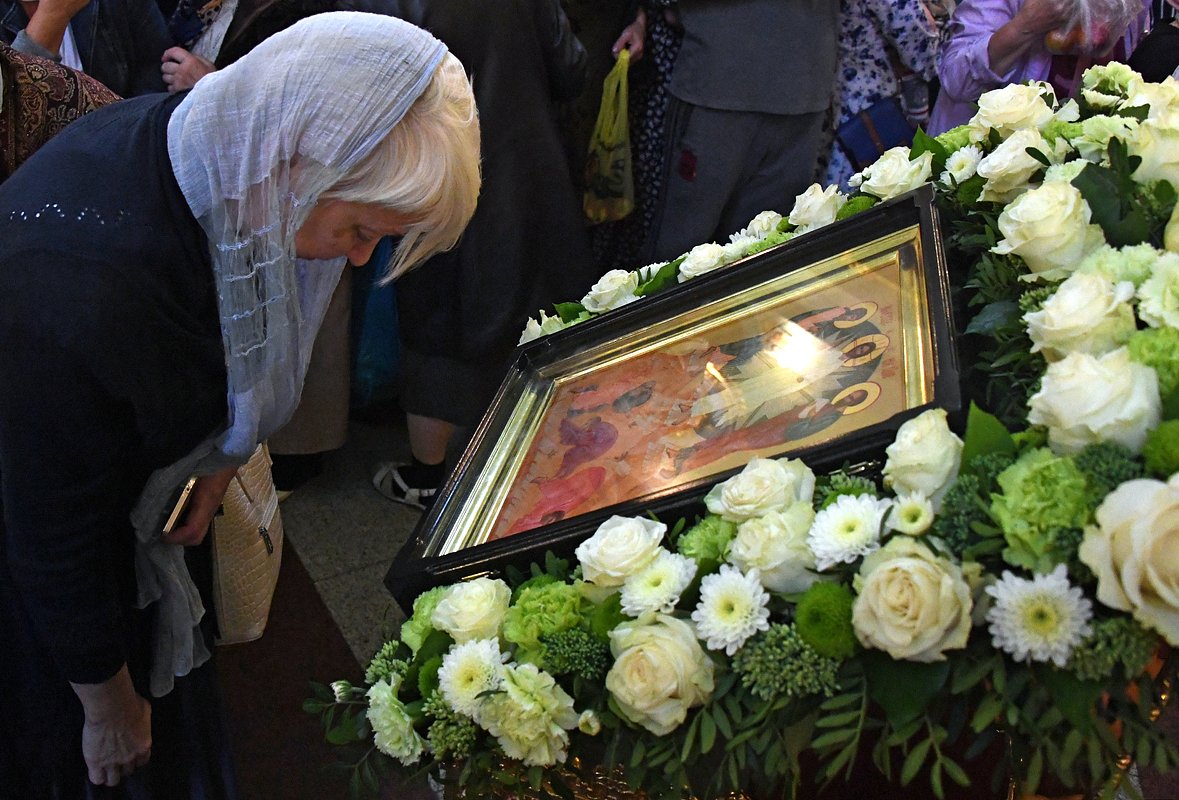
Religious items remain popular presents for relatives and friends. An icon of the Transfiguration of the Lord serves as a symbol of hope and spiritual enlightenment, before which believers pray to strengthen their faith and overcome doubts. Baskets filled with apples, pears or grapes that have been blessed in church are also gifted as symbols of fertility and family well-being.
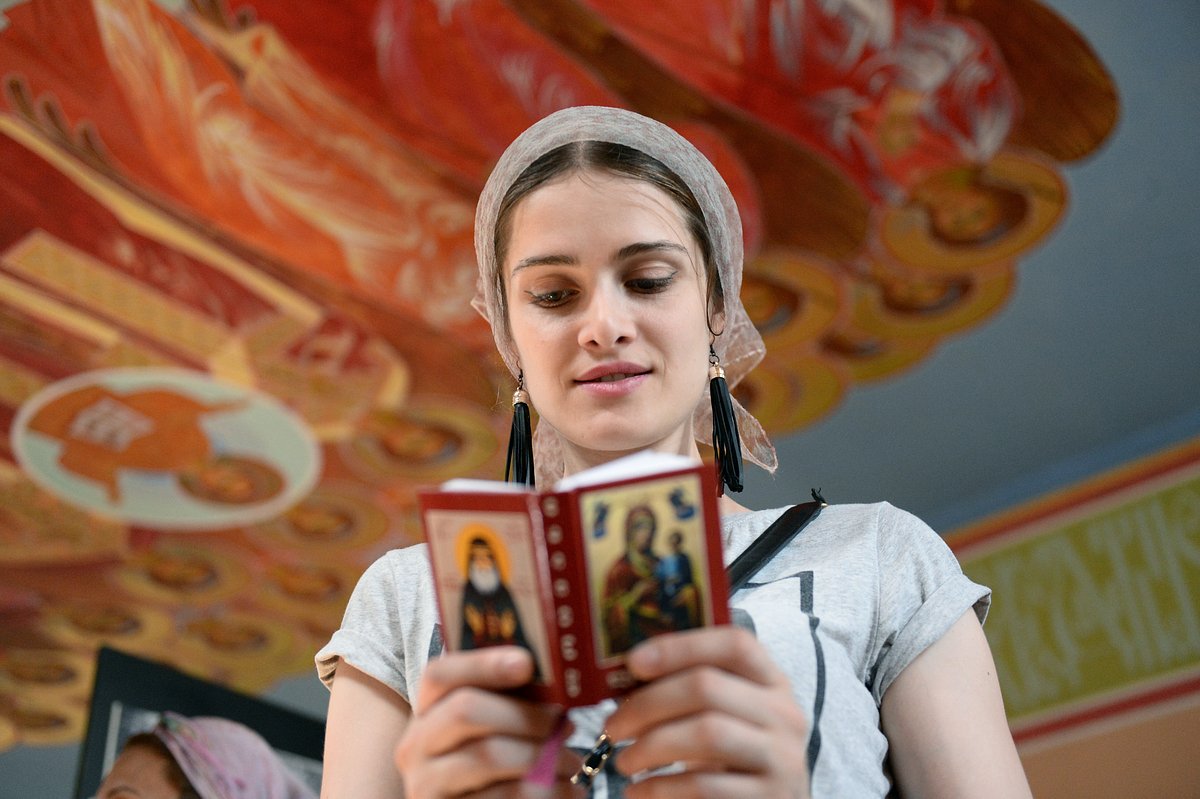
Orthodox books, including the lives of saints and commentaries on the Gospel, are frequently given to mark the feast. Souvenirs that bring warmth and comfort to the home are equally appropriate. These include embroidered linen towels featuring apple or cross motifs, ceramic plates, woven fruit baskets, handmade beeswax candles, and magnets or calendars depicting the Transfiguration icon.
Gospel History of the Transfiguration
The Feast of the Transfiguration commemorates a key event recorded in the Gospels near the end of the earthly ministry of Jesus Christ. After revealing to His disciples that He would suffer for humanity, die on the cross and rise again, Jesus ascended Mount Tabor with three of His apostles, Peter, James and John.
On the mountain top, Jesus was transfigured before His disciples as His garments turned white as snow and His face shone like the sun. The Old Testament prophets Moses and Elijah appeared from heaven to converse with Him about His coming departure. A cloud then descended over the mountain while the voice of God the Father declared Christ to be His beloved Son.
The event revealed the divine nature of Christ to the apostles, who had previously viewed Him primarily as an earthly king. Priest Alexey Chirskov said that the event holds great significance because the Lord revealed His divine glory immediately prior to His sufferings on the cross. Chirskov noted that by doing so, Christ demonstrated to His disciples and to all believers the glory they are called to reach.
Feast Customs and Fruit Blessings
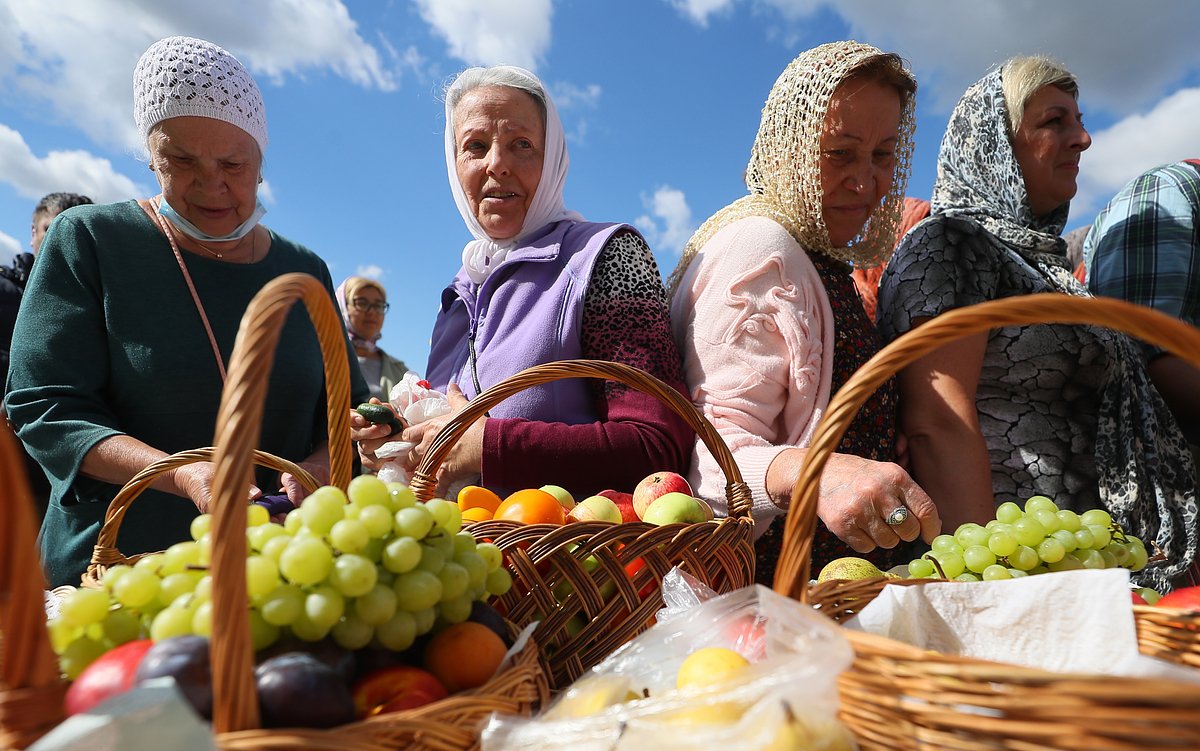
Church celebrations on August 19 center on a festive morning liturgy, after which priests perform a traditional blessing of apples and other harvested fruits. The practice has roots in Old Testament traditions requiring the first sheaf of the harvest to be offered to God. In the Eastern Christian tradition, the feast coincided with the grape harvest, and grapes were brought to church for blessing.
When Christianity arrived in Russia, grapes were not yet cultivated locally, so believers brought apples, which ripened around the same time. This adaptation gave rise to the popular name Yablochny Spas, as well as the folk title Spas on the Mountain, referencing Mount Tabor. A portion of the blessed fruit is traditionally left at the church to be distributed to the needy.
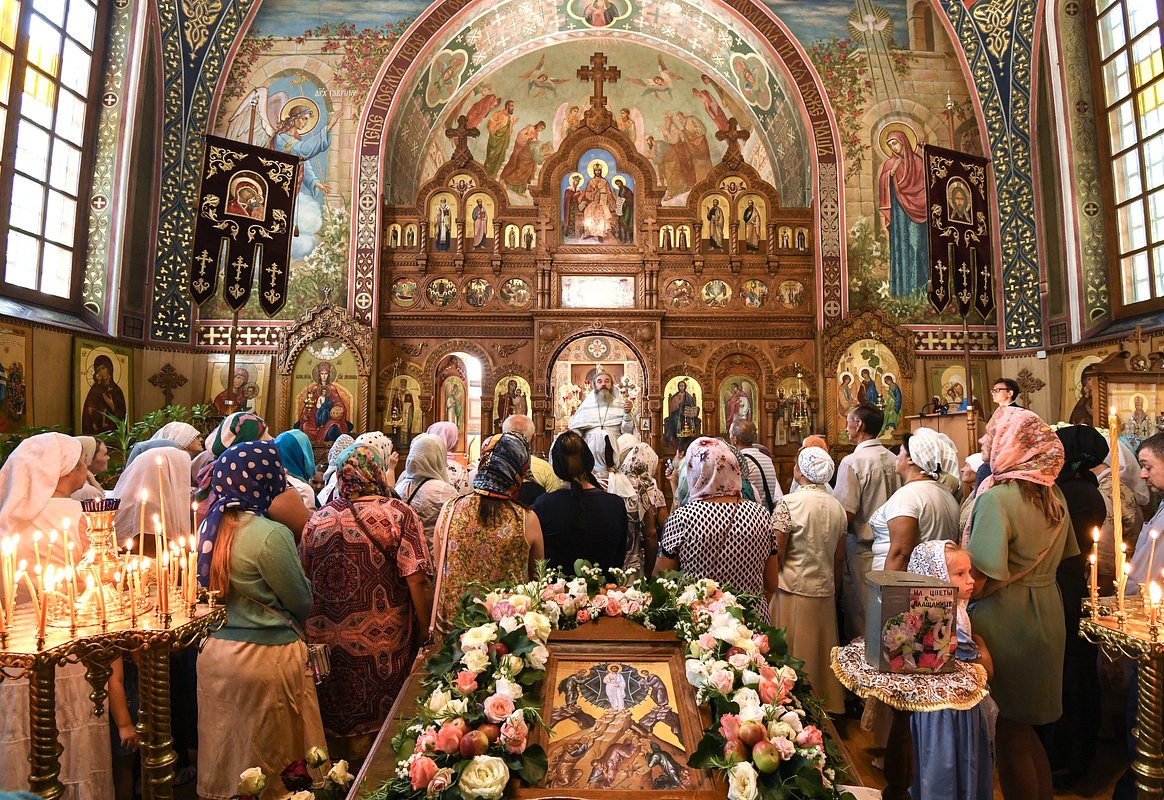
Historical customs associated with the day extended into parish life and agricultural routines. Historian Anna Nekrylova wrote in her book Russian Traditional Calendar that in some Russian regions, churchyards hosted communal feasts called stolovanya following the service. Long tables were set up with apple vatrushki pastries, pies and apple kvass, allowing parishioners to gather and share food.
A widespread folk custom prohibited eating apples before they were blessed in church on the holiday. Nekrylova noted an old folk belief holding that deceased children in paradise received apples only if their parents abstained from eating the fruit prior to the Transfiguration. While grieving parents historically observed this strictly, the Orthodox Church regards the idea as a superstition.
Church guidance distinguishes folk beliefs from canonical rules such as those found in the Typikon, which prohibits monks from eating grapes before their blessing to embody the principle of offering to God first. Church authorities clarify that this monastic rule is not mandatory for laypeople, particularly in modern times when produce is available throughout the year.
Farmers traditionally began their main apple harvest on the feast day, believing that fruit picked on the Transfiguration would keep longer and look better. Owners of large orchards often invited a priest to perform a thanksgiving prayer before an icon set beneath an apple tree, while folk weather signs associated the date with the onset of autumn as leaves yellowed and nights grew cool.


