

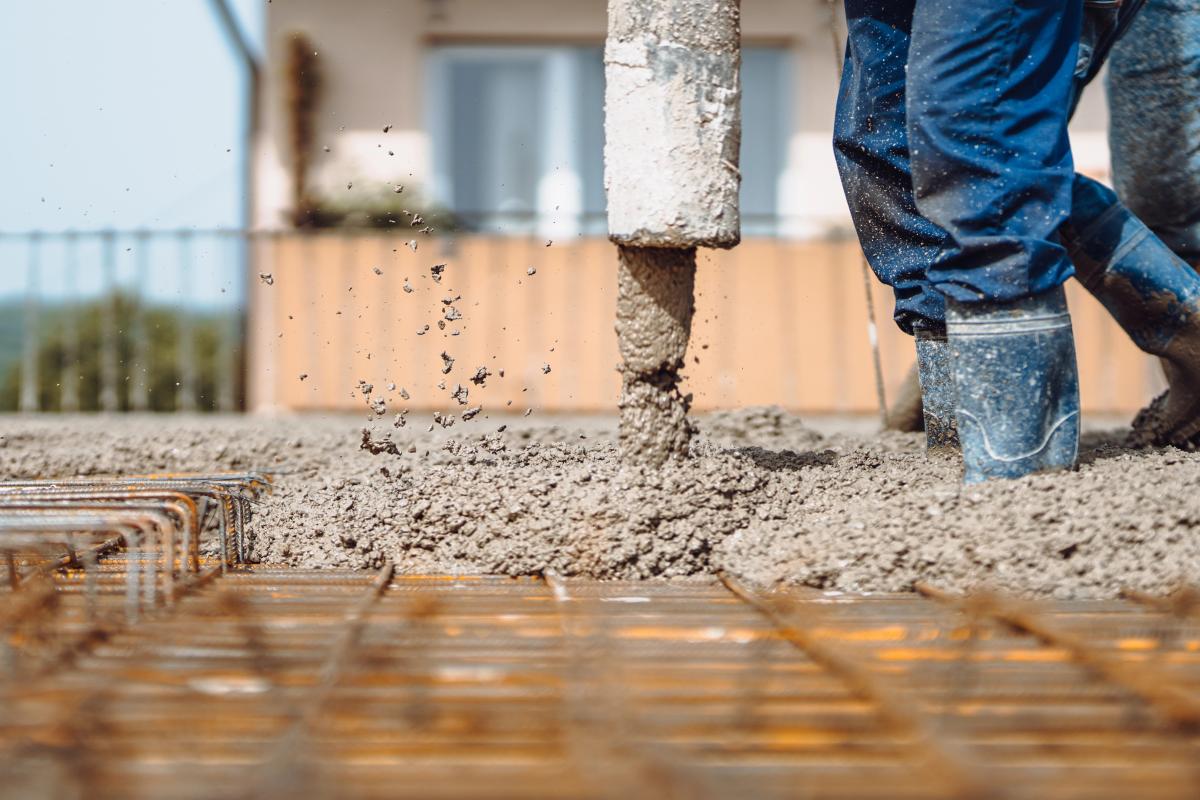
Builders are abandoning traditional temporary shuttering in favor of permanent formwork systems that remain in place after concrete cures, construction website kb.pl reports.
The technique uses specially shaped permanent structures rather than removable wooden or metal panels, eliminating the costly dismantling phase required in conventional reinforced concrete construction.
These stay-in-place units are most commonly manufactured from cement-bonded impregnated particleboard or, less frequently, expanded polystyrene.
When polystyrene is used, the material acts as an integrated protective layer that delivers extra thermal insulation directly to the building envelope.
Scaffold-free installation and pest protection
According to kb.pl, cement-bonded particleboard offers high resistance to moisture, severe weather conditions, and physical wear.
The specialized panels also shield the structural frame against wood-boring pests such as bark beetles while creating an airtight seal that enhances overall energy efficiency.
Workers fasten the permanent formwork using standard screws, a process that requires far less assembly time than assembling traditional wooden shuttering.
Because the structures stay embedded in the set concrete, sites no longer need to erect scaffolding or haul workers up high to strip away temporary molds.
In traditional concrete construction, temporary formwork serves as a mold to retain wet concrete until it gains structural strength.
Stripping down those temporary supports usually demands heavy labor, specialized tools, and days of extra site work after the concrete hardens.
Comparing total construction costs
The building site notes that both methods retain a roughly equal number of supporters among industry contractors.
While raw timber for traditional shuttering is inexpensive, extended setup times, tool requirements, and dismantling labor raise overall project costs.
Permanent formwork reduces necessary wall finishing work, which helps offset higher upfront material prices.
Consequently, polystyrene permanent formwork is not necessarily more expensive overall, with total project budgets remaining primarily dependent on initial material costs.
Regulations on foundation pouring
Official building codes governing concrete foundation installation mandate a compacted sub-base and proper formwork construction before pouring mix.
However, kb.pl reports that builders frequently pour concrete straight into excavated ground without formwork or base preparation, claiming the structures remain durable for decades.


