

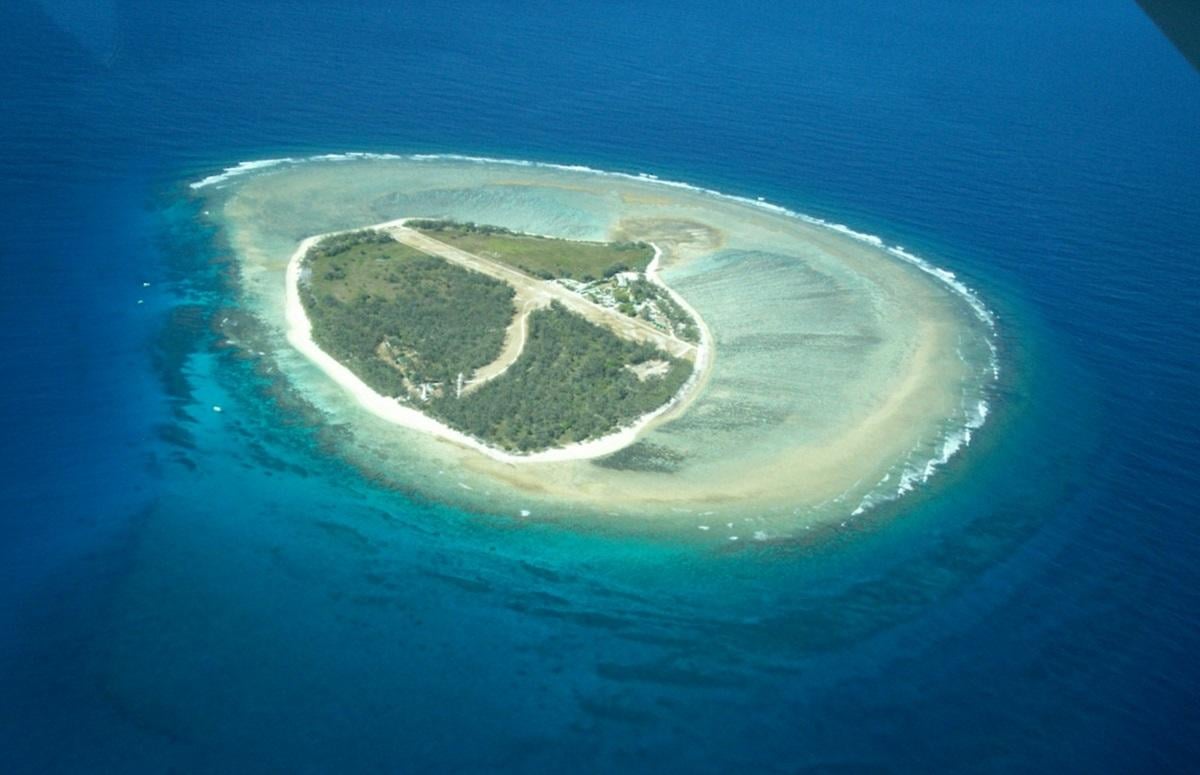
Australian pilot Don Adams first set foot on Lady Elliot Island in 1969, when the coral island was almost entirely bare after more than a decade of mining in the late 19th century, according to The Times of India. Today the island is known to tourists as a tropical paradise.
The outlet reported that miners had stripped away most of the nutrient-rich soil and vegetation and introduced goats that stopped new plants from taking root, leaving the island a nearly empty landscape of exposed coral rubble. Adams believed the island could be restored and secured a tourist lease from the Australian government to begin the project.
He flew in fresh water by plane, planted thousands of trees and laid the groundwork for what became one of Australia's longest-running environmental restoration efforts. His 1969 lease required him to build a grass airstrip and basic visitor accommodation, but he also launched a revegetation program, flying in barrels of fresh water and thousands of seedlings from mainland Queensland and nearby reef islands.
Decades of ecological recovery
According to the outlet, Adams's biggest challenge was the absence of natural processes that normally let a coral island build a functioning ecosystem, with the scarcity of fresh water an added constraint in the early years. Over decades, local trees stabilized the fragile island, creating nesting sites for seabirds whose droppings enriched the soil.
The island now hosts large seabird nesting colonies, and its surrounding reef is home to manta rays, reef sharks, turtles and hundreds of fish species. It sits within a strictly protected "Green Zone" of the Great Barrier Reef Marine Park, where fishing and mining are banned.
Adams sold his commercial lease to Barrier Reef Airways in 1977. The Australian government reorganized management in 1984 through an open tender for an eco-resort, and the lease later passed through several operators to the current management group led by Peter Gash.


