

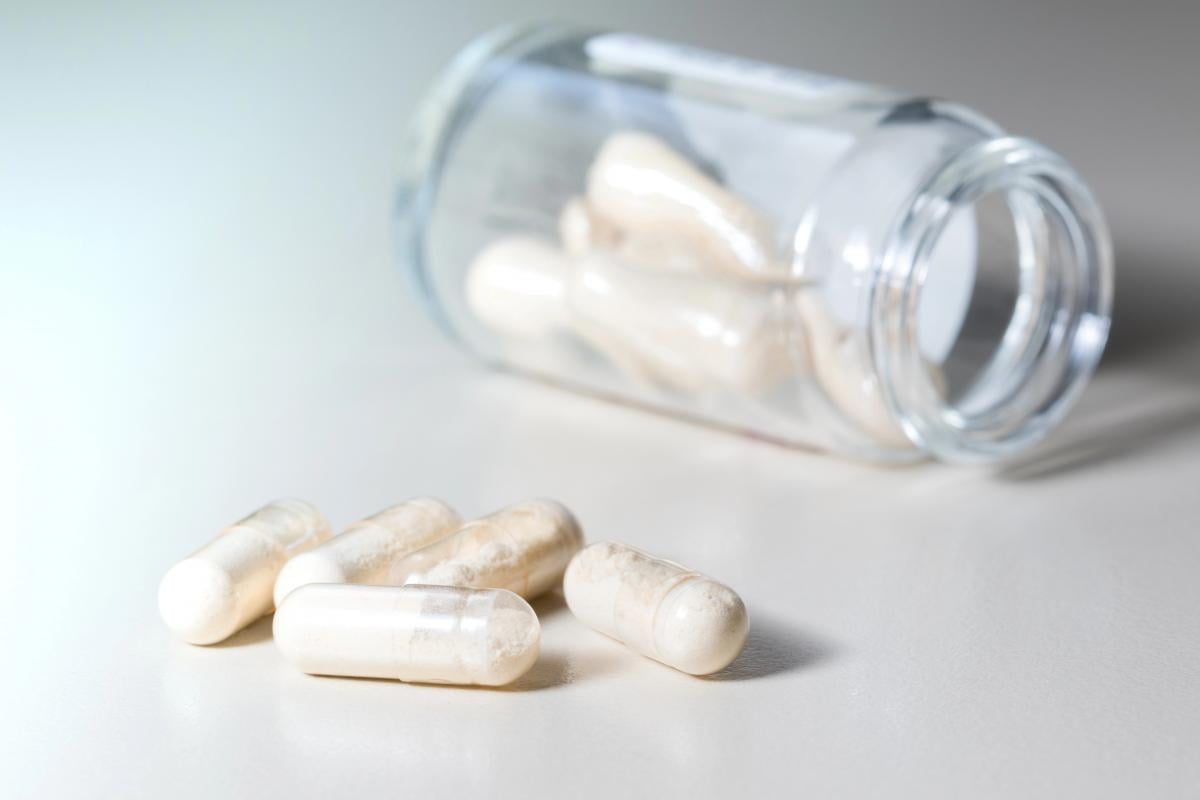
Probiotic supplements offer little measurable health benefit across major medical conditions, according to an analysis by Doctor Gideon Meyerowitz-Katz published in ScienceAlert. Probiotic pills and powders are widely available in supermarkets, pharmacies, and health food stores, while millions of viral social media videos promote them for gut health and immune support.
Probiotics usually consist of bacterial species that inhabit the human gut and correlate with positive health outcomes. For instance, higher levels of bifidobacteria in the gut are associated with lower rates of obesity, while lower levels of lactobacilli are linked to a higher risk of heart attacks.
Probiotic products aim to supply these beneficial bacteria to alter the gut microbiome and reduce the risk of health problems. However, the human gut is an intricate environment, making the addition of a single bacterial strain a crude approach.
Meyerowitz-Katz recalled a presentation where a researcher compared taking probiotics to traveling to the Amazon rainforest, planting 10,000 trees of a single species, and assuming that action would resolve all environmental problems. He noted that while such an approach might offer limited help, it could also cause unpredictable consequences.
Flawed studies and academic misconduct
A significant volume of research exists on probiotics, but many positive studies are of poor quality and fail to prove effectiveness. Probiotic supplement research is also affected by academic misconduct, with dozens of randomized trials retracted for suspicious reasons.
In contrast, larger scientific trials generally show no benefit from taking probiotic supplements. A 2021 study evaluating probiotics for preventing the common cold found no difference in cold severity between probiotics and a placebo.
Research also shows no clear benefit of probiotics for treating eczema. Similarly, the largest randomized trial of probiotics in premature infants, which involved 618 babies, failed to show any measurable improvement in health outcomes.
Lack of benefit for infections and pregnancy
Even in areas where benefits might be expected, such as preventing infections that cause diarrhea, evidence remains negative. A 2020 systematic review of 82 studies involving over 12,000 participants evaluated probiotics for preventing infectious diarrhea and found no benefit from probiotic pills.
Potential risks have also emerged in pregnancy research. A 2021 Cochrane Collaboration review on probiotics for preventing gestational diabetes, a condition involving high blood sugar during pregnancy, found little to no evidence of benefit and identified an increased risk of pre-eclampsia.
A separate Cochrane review examining women already diagnosed with gestational diabetes indicated some potential benefit. However, Meyerowitz-Katz stated that most trials in that review came from a research group that had more than a dozen papers retracted due to serious integrity issues.
Unstandardized products and future outlook
Part of the challenge in evaluating evidence is that the term probiotic lacks a standardized scientific definition. It is used to describe a wide variety of bacterial pills that are not standardized and may produce different physical effects.
Achieving health benefits may require an exact balance of bifidobacteria and lactobacilli, or highly personalized formulations, which science has not yet established. Meyerowitz-Katz noted that although he evaluated nearly a dozen medical conditions in his article, many others exist, leaving open the possibility that specific probiotics could help specific conditions he did not review.
Overall evidence from major randomized trials remains unpromising for supplement users. Meyerowitz-Katz explained that probiotics may still offer targeted benefits for conditions directly connected to gut health, such as preventing antibiotic-associated diarrhea.
For general health, fermented foods containing natural bacteria, such as kimchi, yogurt, and sauerkraut, remain safe options that provide enjoyment and potential health benefits. However, Meyerowitz-Katz concluded that current data clearly shows probiotic pills, powders, and mixtures are unlikely to provide significant health benefits.


