

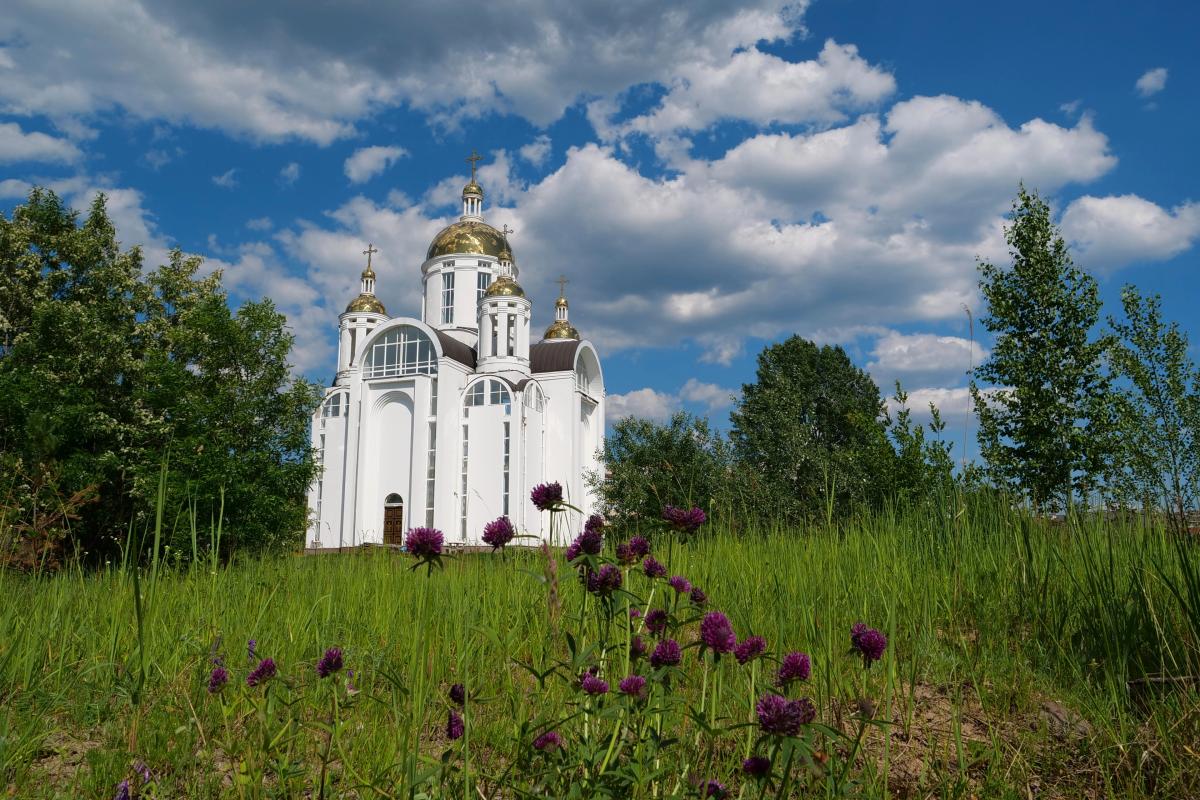
Orthodox Christians commemorate Prophet Samuel on August 20 under the revised church calendar, honoring the Biblical figure as the patron saint of men. The religious feast day, traditionally known in folk customs as Samoyliv Day, combines church remembrances with family traditions, specific dietary customs, and seasonal weather predictions.
Prophet Samuel lived 1,146 years before the birth of Christ and served as the last judge of Israel. His name translates to asked of God, reflecting his mother's long prayers for a son before dedicating him to divine service upon his birth.
At three years old, Samuel was entrusted to the High Priest Eli for his education and upbringing. By age twelve, he received his first prophetic revelation, which foretold the defeat of the Israelites by the Philistines and the capture of the Ark of the Covenant.
Following Eli's death, Samuel assumed leadership as judge of Israel and guided the people back to faith in one God. He later anointed Saul as king, and after Saul disobeyed God, Samuel anointed David as king and hid him from the former ruler's anger.
Believers venerate Prophet Samuel as a guardian and protector of men. Faithful offer prayers to him seeking health, success in studies and learning, and guidance in resolving disputes.
Under the traditional old church calendar, August 20 corresponds to September 2 and marks the remembrance of two Venerable Pimens of the Kyiv Caves. The Kyiv-Pechersk Lavra, founded in the eleventh century, remains one of the most prominent centers of Eastern Orthodox monasticism.
Traditions and Customs on Samoyliv Day
Folk traditions designate August 20 as a special celebration for men, honoring fathers, husbands, sons, and brothers within the family. Households prepare a generous feast centered around fried potatoes with mushrooms, a dish believed to attract a bountiful harvest and ensure a well-fed winter.
Household chores and agricultural work continue without interruption on Samoyliv Day. Custom also holds that making a wish on this date brings good fortune, with popular belief suggesting that intentions formed on the holiday will come true.
Church teachings for the feast day strictly warn against foul language, envy, vengeance, and greed, while refusing assistance to anyone in need is considered a sin. Believers are advised against arguing or sorting out relationships, as both open conflict and attempts to resolve disputes are viewed as unfavorable omens.
Customs also discourage conversations about upcoming weddings, proposals, and matchmaking on August 20. Tradition considers the date unsuitable for decisions regarding romance, courtship, and family life.
Folk Weather Signs for Autumn and Winter
Centuries of agricultural observation have produced a series of folk signs associated with August 20 to forecast the coming autumn and winter weather. High and smooth crane flight paths indicate a warm and prolonged autumn season.
Atmospheric conditions on the day provide further indicators for upcoming weather patterns. High clouds signal clear skies ahead, while low drifting clouds foretell rain, and a sun obscured by mist indicates extended periods of rainfall.
Nature indicators also include plant growth and field activity. An abundance of rowanberries points to a wet autumn followed by a pleasing oat harvest the next year, whereas a large population of field mice signals a severe and cold winter.
Church commentators note that these traditional weather signs represent historical natural observations accumulated by past generations rather than exact meteorological forecasts, though observing their accuracy remains a popular seasonal pastime.
Name Days and Personality Traits
August 20 marks the name day for individuals named Stepan, Tymofiy, Viktor, Ivan, Maksym, Volodymyr, Fedir, Mykolay, Samuil, and Oleksandr. In Eastern Christian traditions, name days celebrate the saint after whom a person is named.
According to traditional beliefs associated with the date, people bearing these names possess strong intuition that aids in making sound decisions. They are described as natural leaders who excel at bringing groups together and frequently find themselves at the center of attention.


