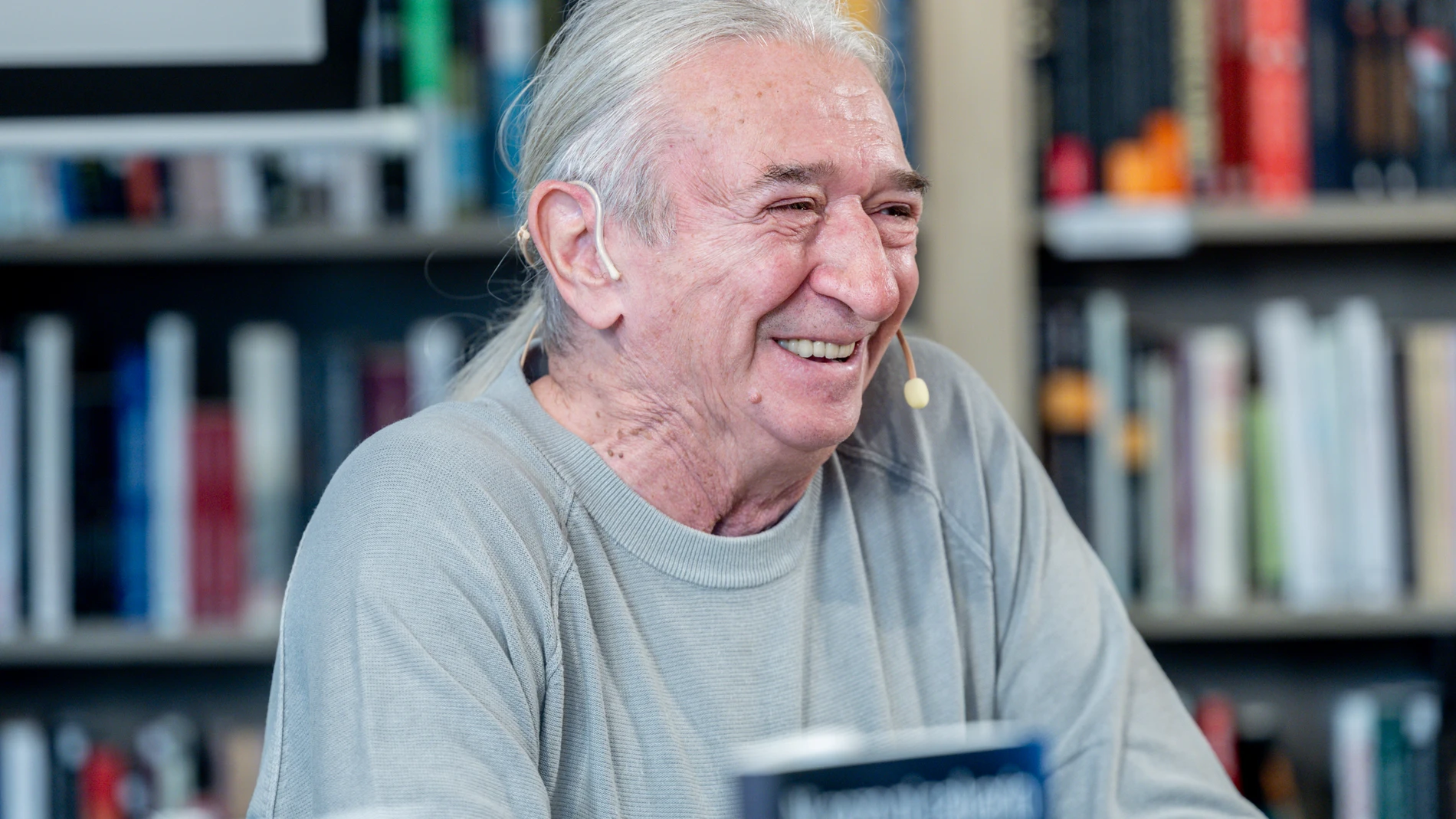
Spanish rock musician Rosendo Mercado, the former frontman of the band Leño, presented his memoir "Ni gozo ni calvario" (Espasa) to around fifty journalists in Madrid, eight years after retiring from the stage. He thanked the press for coming to put him through what he described as an uncomfortable moment, admitting he still feels uneasy in front of cameras.
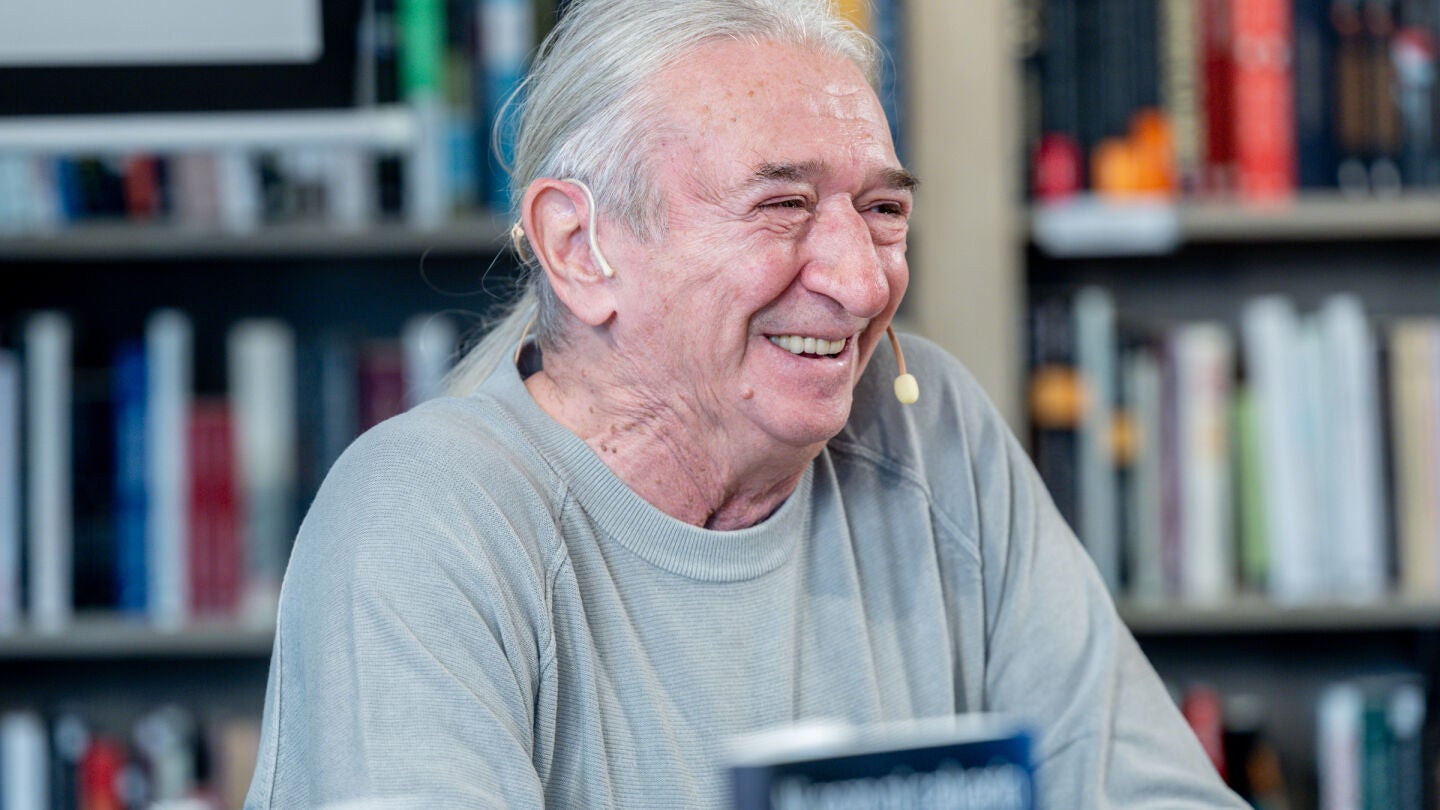
He said people had turned him into a legend, though that was never his intention, describing himself instead as a workman who treated rock and roll as a trade rather than something heroic or mystical.
Mercado, born in Madrid in 1954, said he carries a strong sense of class consciousness. He said he is the son of a shoemaker who spent his life working to support the family, and that this upbringing shaped his education. He said he never liked studying, so he considers himself something of a shoemaker too, and that above all he feels a working-class, neighbourhood identity.
Leño, the band Mercado fronted, became one of the most influential acts in Spanish rock, and his songwriting is widely regarded as part of the genre's canon in Spain.
A career without heroics
In the book, Mercado avoids romanticising his career. He said everyone has to accept both success and failure and keep moving forward, and admitted that early on he wanted fame, a modern image, romance and money. Over time, he said, he realised life would not be that simple and that making music was a job like any other.
He said he felt fortunate not to have to rise at six in the morning and cross Madrid to get to work, and that he put all his effort into his craft to earn a living. Everything beyond that, he said, came about through circumstances he could not fully explain.
Life after the stage
Mercado said he embraced retirement and does not miss performing. He recalled once insisting he would keep going until he collapsed on stage, but said circumstances turned out differently. He said there comes a point when a performer feels out of place and can no longer physically meet expectations, and that is when it is time to stop.
The musician divides his time between the Carabanchel district of Madrid and a village in the province of Burgos. He said he does not keep a vegetable garden, is not a cook and does not play dominoes there, describing his life as plain and saying he mostly goes out for walks.
He said he has barely touched the guitar since retiring. After finishing touring, he considered writing new songs and possibly an album, he said, but the idea cooled, and he was instead offered the chance to write the book, which he said would likely be his first and last. He also said he suffered from arthrosis and underwent surgery on one of his hands, which further distanced him from his instrument, though he said he is now reconsidering a return to music while still wanting to live his retirement like anyone else.
Rock without recognition
Mercado said rock and roll has always existed outside the commercial mainstream. He said that although it might appear the genre has disappeared, that is not true, pointing to young musicians still playing it today. What has not changed, he said, is that it remains undervalued, though he said that if making music comes from inside a person, they find a way to keep doing it regardless.
He said he feels fortunate to have reached retirement with enough savings to live on modestly, joking that if he lives too long he might have to start recording albums again, a remark that drew laughter from the room. He said he no longer believed in continuing to perform, comparing himself to veteran musicians who remain on stage for their whole careers and saying such performers should know when to step down rather than make audiences suffer through it.
Comments on the election and Madrid
Asked about the imminent general election and renewed political rhetoric, Mercado said he did not want to contribute to inflammatory speeches but made clear he would not take part in any campaigning. He said Spain has seen alternating governments since the return of democracy, but that existing problems can worsen when parties he described as holding reactionary ideas come to power. He said he was not arguing for any particular party, but considers himself a worker and stands with workers, adding simply that people should vote.
Asked about Madrid, which he once described as worthless in a Leño song, Mercado said he did not want to cause trouble during election week but confirmed his view had not changed. He also addressed the gentrification of Carabanchel, his home neighbourhood, which has recently been named among the trendiest neighbourhoods in the world. He said that if Madrid deserves that description, Carabanchel is the worst part of it, though he said he loves his neighbourhood and would not trade it for any other.
Writing the memoir
Mercado rejected being called a writer, asking journalists not to label him that way. He acknowledged that writing the book's roughly 200 pages required significant effort, and said he wrote it to look back on his career without self-promotion. He said readers may discover that a rock musician's life is not what they imagine, and said he believes his own life has been about as ordinary as the average person's, joking that the admission might not help sell books.
The band's final years
Among the more difficult passages in the book, Mercado addressed the personal disagreements that led to the end of Leño and later his solo career. He said he got along well with his bandmates individually but that they did not get along with each other, and that describing the falling-out without offending anyone was difficult to write. He said the tension may have pushed him to end his career earlier than he otherwise would have, though he added he would likely be retired by now regardless, since he had wanted to keep performing only as a trio, a format he said had become too physically demanding for him, said Mercado, who also wrote the song "Loco por incordiar."
The book also recounts a performance in Australia, where Mercado travelled for the filming of a documentary about a Spanish missionary who shared his name. He said he did not understand much of what was happening there but found the missionary an interesting character, and that his band performed twice during the trip.
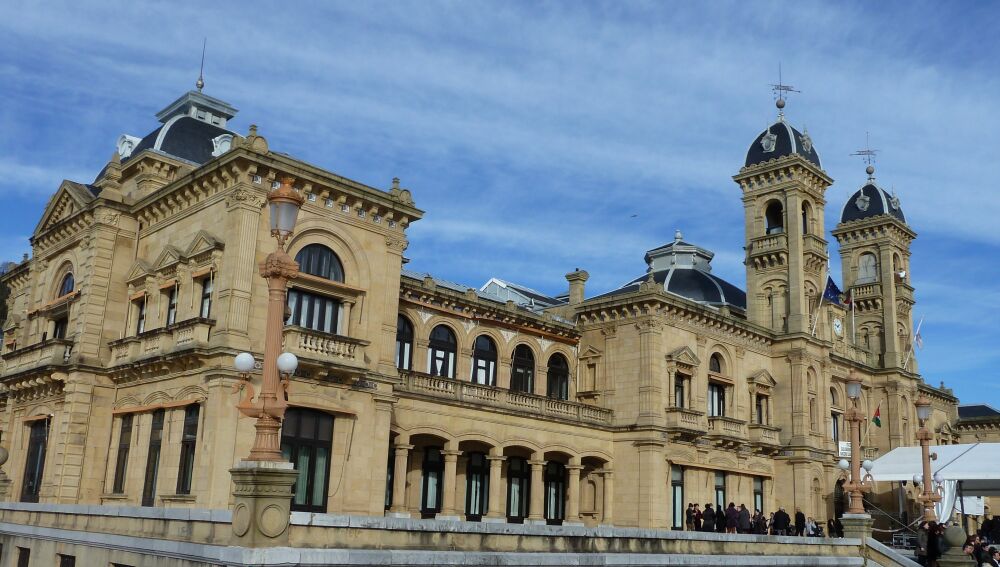
Faced with the scale of media attention at the presentation, Mercado said he felt out of place, joking that organisers had made a mistake given how many cameras had turned out. Asked whether he was proud of his career, he said he was proud of how audiences had responded to and valued his work. He thanked the journalists present, though the reporter covering the event wrote that it was in fact the press who were grateful to him.
Test yourself
What is the title of Rosendo Mercado's memoir?
How long had Mercado been retired from performing when he presented the book?
Which band did Mercado front before his solo career?
Have your say
Do you think rock and roll gets the recognition it deserves today?
Where it happened
Madrid, Spain