

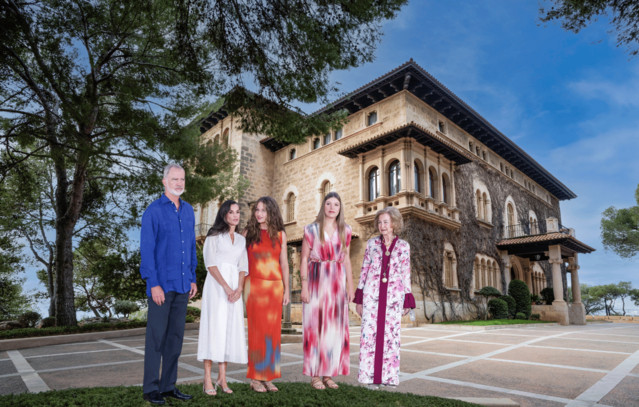
The heirs of Greek engineer Ioannis Saridakis recovered more than 1,300 artworks from Marivent Palace after Spain violated the original donation terms. The dispute began after authorities turned the public museum into a summer residence for the Spanish royal family.
Saridakis, known in Spain as Juan de Saridakis, was born in Alexandria in 1877. He built a fortune working as an engineer in Chilean copper mines before moving to Europe. Over decades, he assembled a private collection of paintings, sculptures, antique furniture, ceramics, tapestries, and rare books.
In 1923, Saridakis bought land in Cala Major in Palma de Mallorca. He completed the mansion around 1925 and named it Marivent from the Catalan words for sea and wind. After he died in 1963, his wife Anunciación Marconi donated the estate and most of the collection to the Provincial Administration of the Balearic Islands in 1965. The gift required the estate to run as a public museum showing the collection.
Royal residence and legal battle
The property operated as a museum for several years until 1973. During the Franco regime, Balearic authorities granted Marivent to then Prince Juan Carlos and his wife Sofia as a summer residence. The decision closed public access while keeping the art inside.
Heirs of the Saridakis and Marconi families sued, arguing the government broke the donation rules when it closed the museum. In 1988, the Supreme Court of Spain ruled that the change of use violated the agreement and granted the heirs the right to reclaim the movable collection.
Removal of the art began in the early 1990s. Legal heirs took back more than 1,300 paintings, sculptures, furniture pieces, ceramics, tapestries, and rare books, later selling some through auctions or private sales. The Autonomous Community of the Balearic Islands kept ownership of the building, which remains the summer home of Spanish monarchs without the original art collection.


