

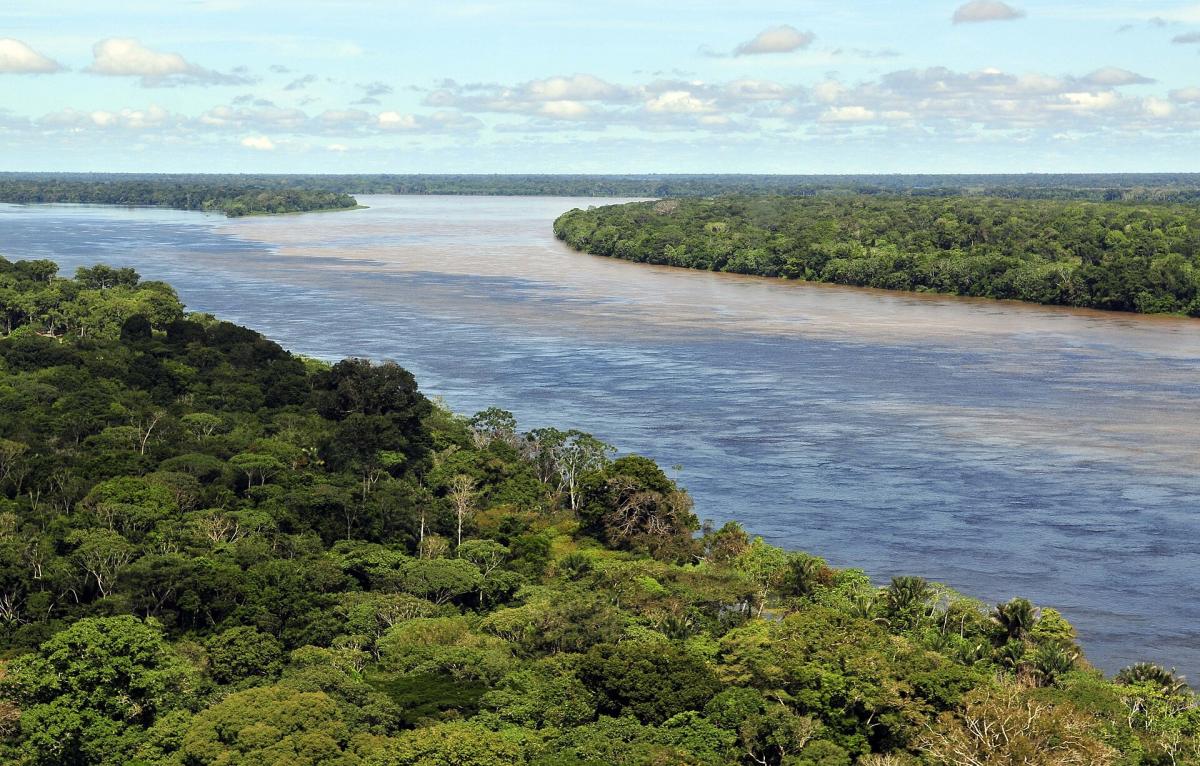
Indigenous Shuar women in the Ecuadorian Amazon are planting forests, fruit trees and vegetables in the province of Sucumbíos, creating shelter and food for birds, insects and other animals, according to the Times of India.
The women also grow cacao and coffee, which they sell to support their families.
One Woman's Approach
A local resident named Juanga told journalists she had planted laurel trees, balsam and melina. She said these species attract birds and help maintain the balance of the surrounding environment.
The approach reflects the idea that forests do not have to be treated only as protected areas separate from human life. They can also be part of farms, food systems, sources of livelihood and cultural practices, as long as the land is used sustainably.
Countering Deforestation
Residents in the region are hoping to push back against large-scale deforestation. They said birds and other animals are losing their habitat, families are losing part of the natural environment around them, and communities are becoming more vulnerable to climate change.
Juanga explained that one of the most important parts of the story is that conservation is tied to securing livelihoods. She said her community had received support to grow cacao while also committing to restore forests and protect local trees.
She said this mattered because communities need ways to earn money and feed themselves without relying on continued deforestation. In this way, cacao, coffee and other crops can become part of wider efforts to shift toward sustainable production that does not require cutting down forests.
A Similar Practice in India
The report also noted a related practice in a region of India, where the roots of young fig trees are stretched across ravines or rivers. As the trees grow and their roots strengthen, small root systems gradually turn into living bridges stretching several dozen metres long. The process takes decades, and some of the bridges last for generations. The work is done mainly by women.


