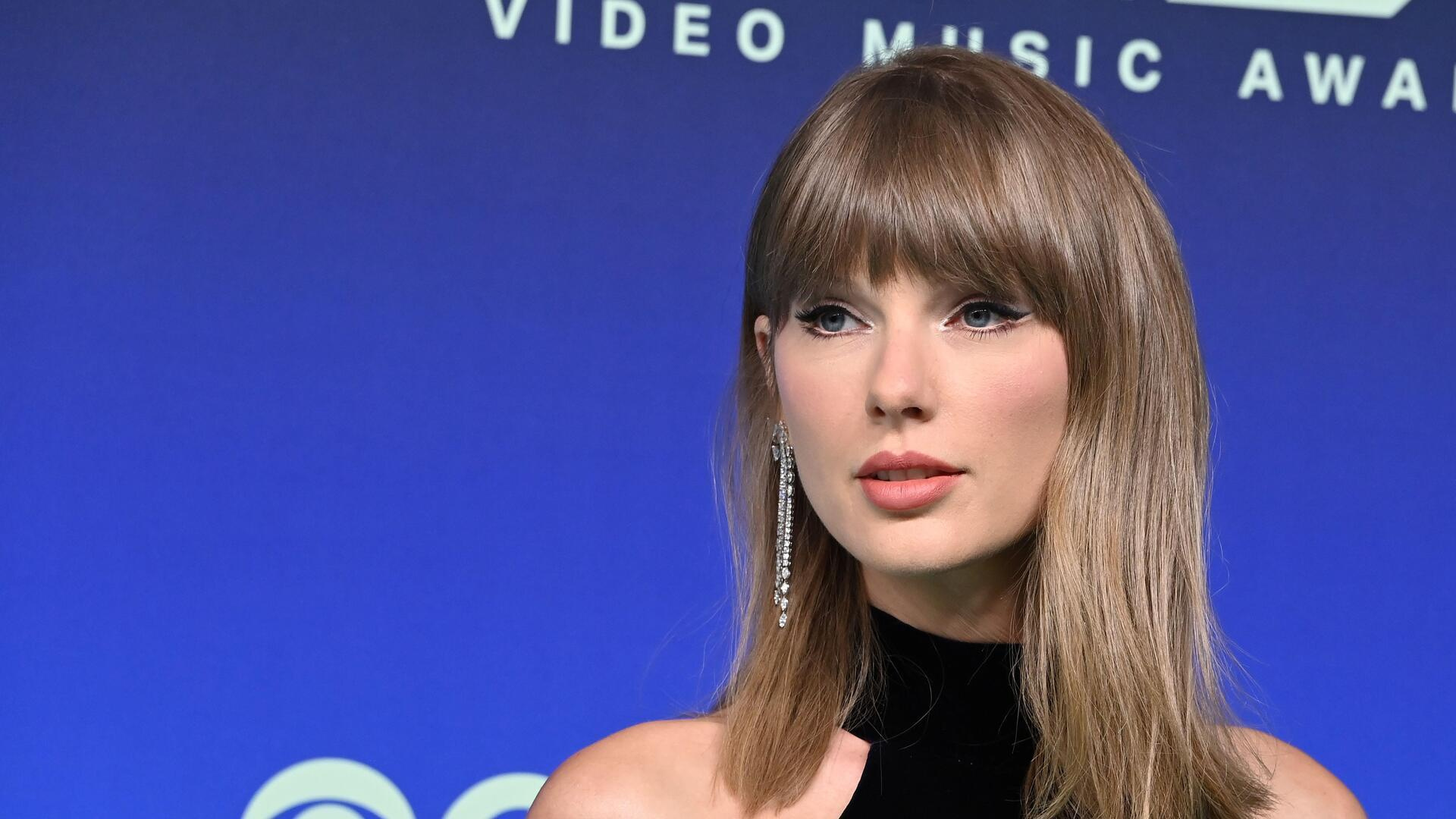

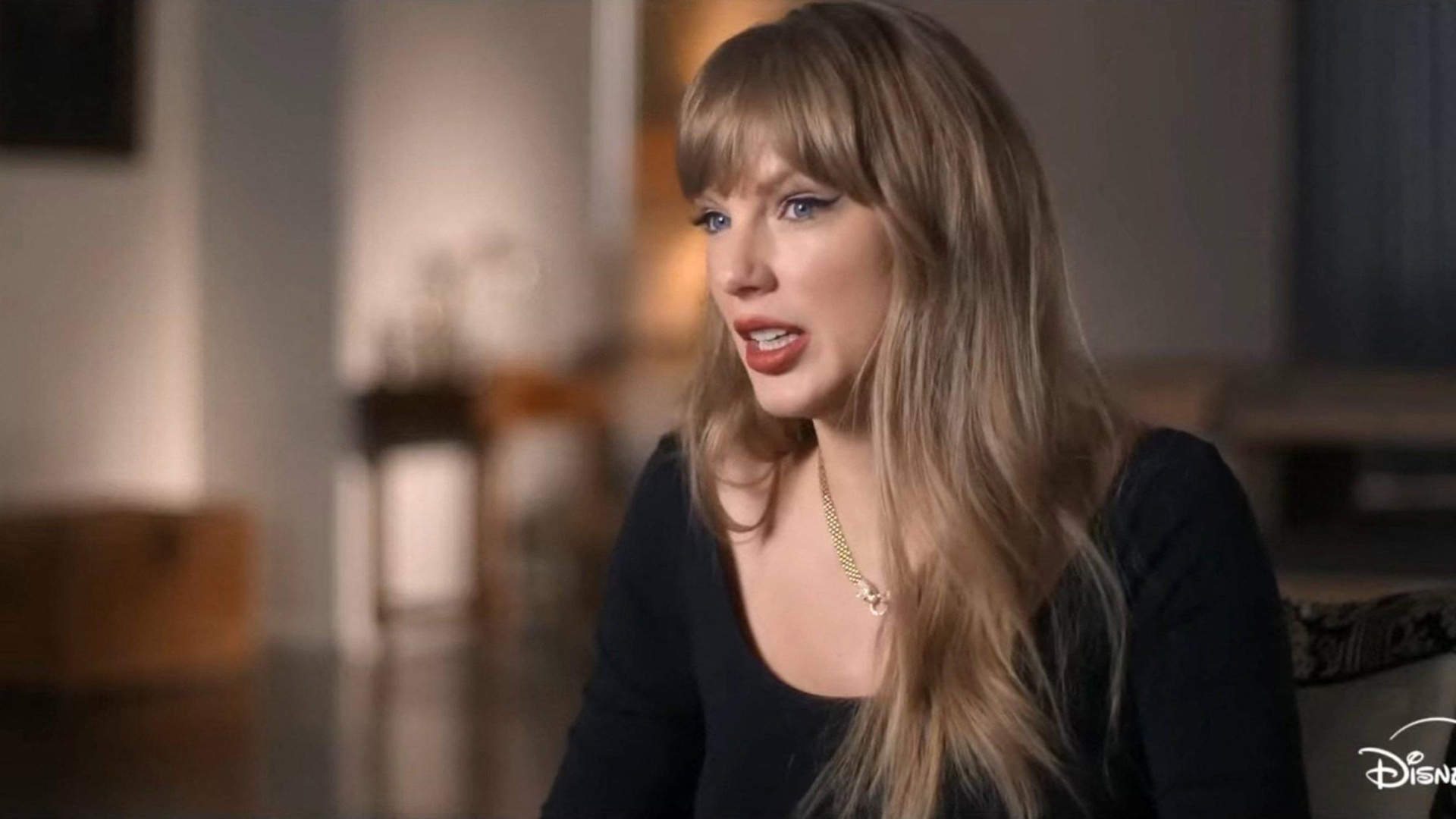
Pop superstar Taylor Swift has restricted US President Donald Trump from using her music in his social media videos, taking action to block specific tracks from her catalogue on TikTok.
The singer acted after songs from her discography were used as background audio in content posted to Trump's official TikTok account, moving to ensure her work is no longer associated with his online campaign material.
Among the tracks targeted by the restriction are Red and August, two of the most recognizable songs from different eras of Swift's career. Both tracks have now been made unavailable for selection or playback on content published by the American leader.
Control of political video soundtracks
Music has become an essential component of political communication on social media platforms, where campaign teams regularly use popular songs to set a mood, heighten emotional impact, and draw attention to short video posts.
However, the unauthorized or unwanted use of popular tracks in political messaging has repeatedly sparked controversy across the entertainment industry when musicians object to their artistic work being tied to a candidate, movement, or political agenda.
The situation comes as TikTok has established itself as one of the primary digital platforms for both music promotion and political outreach. For recording artists, managing where and how their songs are deployed has become a vital element of protecting their brand and artistic identity.
Debate over digital platform licensing
Swift's intervention highlights an increasingly critical question for the modern music business: who ultimately decides how a song is used once it enters digital streaming and video distribution networks.
While social media platforms negotiate broad licensing agreements with music publishers to permit users to add background audio to their clips, artists often seek custom controls or take direct action when their work is utilized by public figures without explicit approval.
By taking steps to stop her songs from appearing in Trump's posts, Swift has re-ignited industry discussion over the extent to which musicians can restrict the contextual use of their master recordings on digital services.
A long battle for catalogue rights
Control over her musical legacy has been a central pillar of Swift's career in recent years. Following a high-profile dispute over the sale of her original master recordings to a private equity firm, the singer launched an unprecedented effort to re-record her entire early discography.
Under the banner Taylor's Version, Swift has systematically re-released updated versions of her first six studio albums. Her 2012 album Red was re-recorded and released as Red (Taylor's Version) in 2021, featuring expanded tracks and full ownership of the new master tapes.
Meanwhile, August remains one of Swift's most celebrated tracks from her 2020 surprise album Folklore, an indie-folk project that won Album of the Year at the 63rd Annual Grammy Awards. The song became a massive viral hit on TikTok, frequently trending during the late summer months.
Blocking the tracks from Trump's account adds another chapter to Swift's long record of publicly asserting control over how her intellectual property is commercialized and presented to the public.
Preserving the meaning of her music
The decision has sparked widespread conversation among Swift's fans and music industry observers, placing her catalog management back at the center of public debate.
For Swift, preventing her tracks from appearing in specific political posts serves to preserve the original meaning of her songs and avoids any implicit endorsement or association with political causes she does not support.
For her global audience, the move reinforces Swift's established reputation as an artist fiercely dedicated to maintaining complete oversight of her body of work and guarding her musical legacy in the public sphere.