

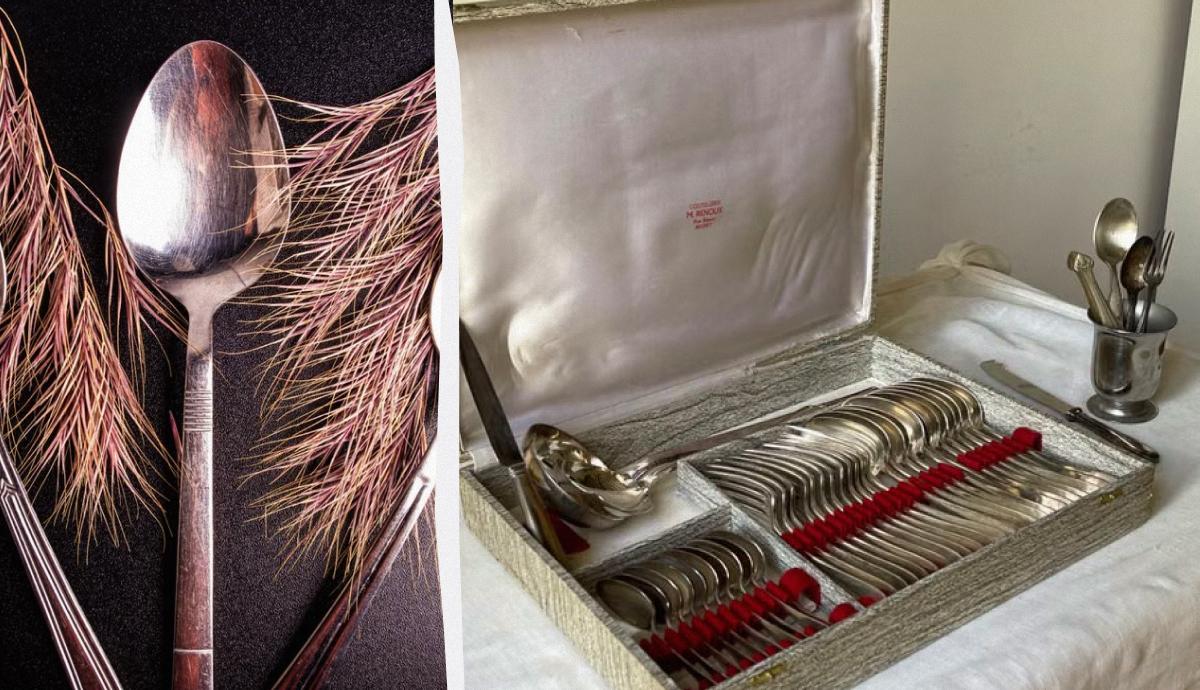
The copper-nickel alloy known as melchior, once a prized possession in Soviet-era households, is being quietly sought out again by collectors who recognise its value.
In homes across the USSR, melchior spoons, forks and knives lived in sideboards and came out only for holidays. The material carried a reputation for luxury, and the reputation was grounded in real qualities.
Melchior is an alloy of copper and nickel, sometimes combined with manganese and iron. That combination produced a material stronger than silver yet far cheaper. It resists rust, acids and moisture, holds its shape under heat, and releases no toxic substances at high temperatures. Unlike many modern cutlery sets, melchior contains no zinc, which its supporters consider a further safety advantage.
The alloy had one notable flaw: pieces left untouched in a sideboard would darken over time as the copper content oxidised. Regular cleaning was necessary even for cutlery that rarely saw use.
After the Soviet Union dissolved, production wound down across the former republics. Raw materials proved expensive, stainless steel emerged as a cheaper and lower-maintenance substitute, and demand for heavy formal dinner services fell sharply.
Today most consumers choose practical, easy-care options. Even so, those with an eye for metal quality still seek out melchior pieces, and collector interest has not disappeared.


