Marcos Flórez, a personal trainer and director of the fitness platform Estarenforma.com, has shared technique advice for women who wobble or lose their balance when doing squats, recommending they start with bodyweight exercises before adding any extra weight.
Flórez said squatting beginners should first master the movement using only their own body weight, leaving the use of a dumbbell as a counterweight for a later stage. Before adding weight, he advised shifting the body weight slightly forward so it stays within what he called the base of support.
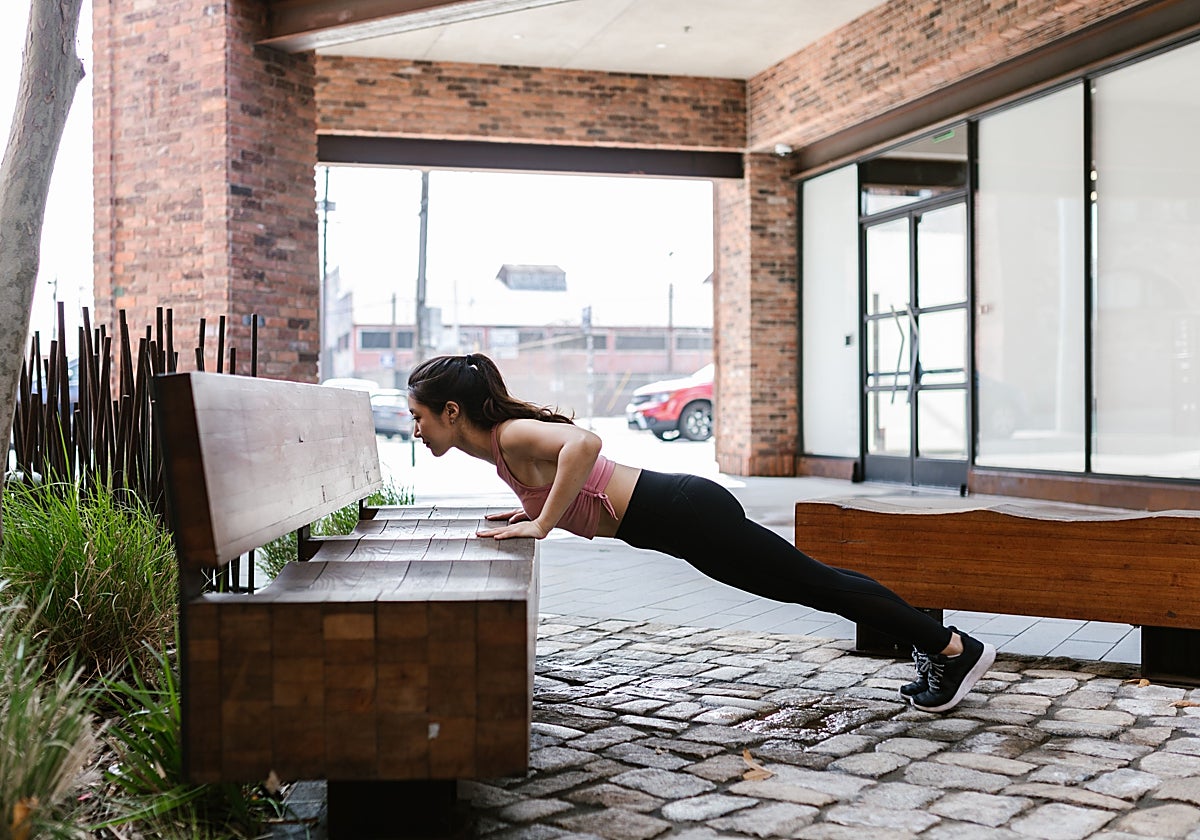
To help people learn the movement safely, Flórez places a chair or bench behind them as a reference point for how low to go. His advice, he said, is simple: go to sit, lightly touch the seat, and then rise back up without fully sitting down.
He said learners should check whether they can control the descent and touch the chair without collapsing their full weight onto it. If they cannot, Flórez suggested using a taller chair and repeating the movement slowly until they can touch the seat and rise again without sitting down.
Practising 'Frankenstein mode'
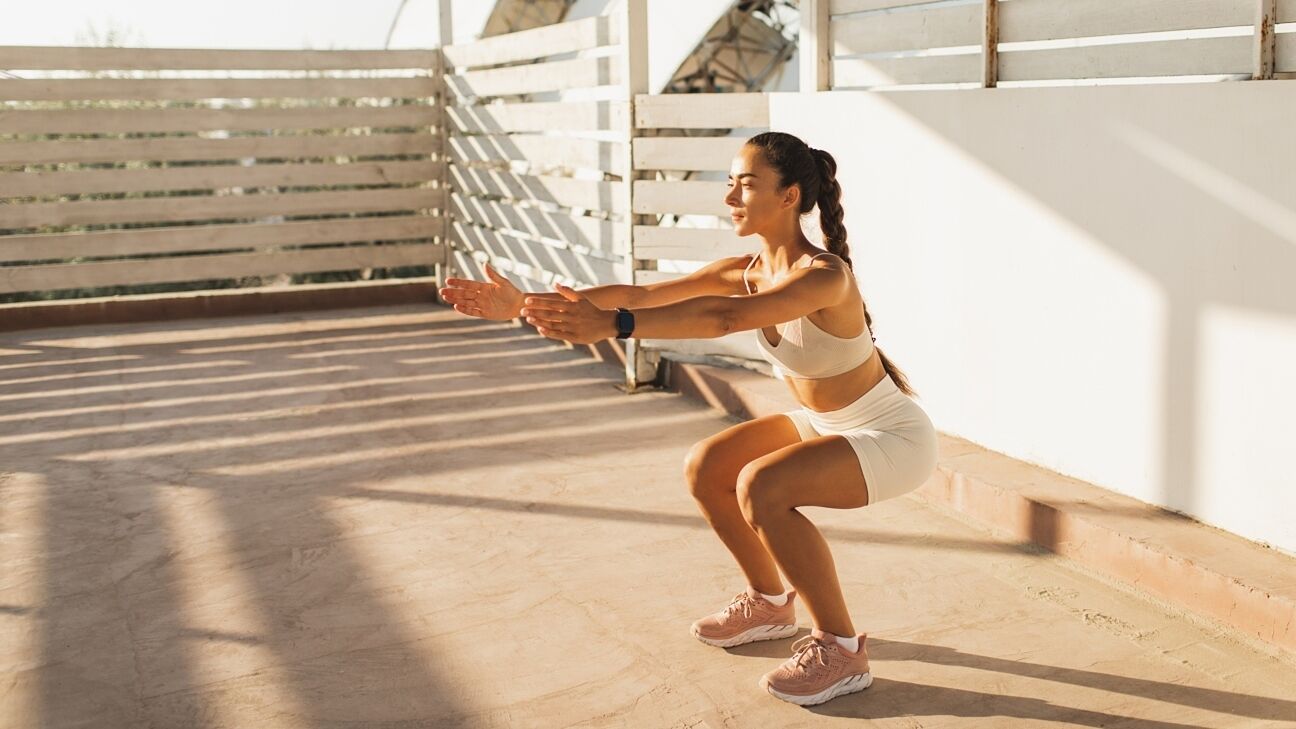
For people whose torso tips too far forward during the descent, Flórez recommended keeping the arms extended straight out in front, which he called "Frankenstein mode." Once a person can control a bodyweight squat, he said they can progress to holding a weight plate close to the navel, before later raising it to chest height.
Asked how to choose the weight of the plate, Flórez said it should be heavy enough that the final repetitions of the set feel effortful, but light enough that correct technique is maintained throughout.
Foot and knee position
Flórez recommended placing the feet at hip width. From that stance, he said people should lower themselves without lifting their heels off the ground, distributing the weight across the whole foot. Anyone who feels most of the pressure concentrated in their heels should shift a little weight toward the front of the foot.
If someone keeps their foot flat but still pushes their hips so far back that they end up leaning heavily forward, Flórez suggested bringing the knees slightly forward instead. For those who need to check the position of the chair or support each time they lower themselves, he recommended placing it so the seat can be touched without turning the body.
Flórez said the first priority is to make the movement safe. He added that filming the squat from the side can help people identify the exact moment they lose balance.
No two squats are the same
Flórez noted that there are almost as many different squats as there are people, pointing in particular to the ratio between thigh length and torso length as a factor that changes how the movement looks.
Other trainers have offered related advice on everyday movement and balance. Álvaro Puche, a trainer, said pulling in the navel while walking does nothing useful, and that what actually helps is thinking about growing taller with every step. José Ruiz, another trainer, said that avoiding quick movements or small physical efforts from the age of 55 causes people to lose the strength that helps prevent falls.
Test yourself
What does Marcos Flórez call the technique of extending the arms straight forward during a squat?
What does Flórez use as a reference point to help people learn how low to squat?
According to trainer José Ruiz, what happens if people avoid quick movements from age 55?
Have your say
Do you think about balance and fall prevention when you exercise?