

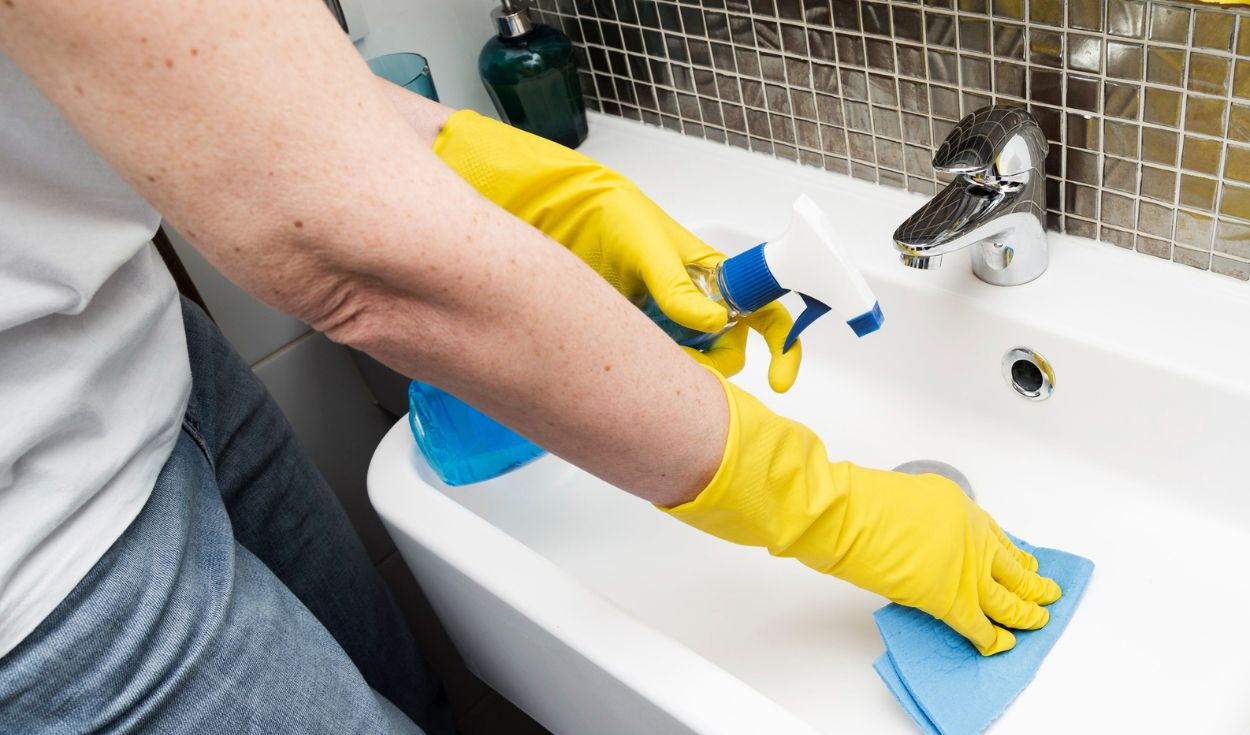
More households are turning to white vinegar as a low-cost cleaning solution to dissolve mineral deposits, strip away stains, and eliminate persistent bathroom odours.
Bathrooms naturally collect high levels of moisture, creating an ideal environment for limescale, stubborn dirt, and unpleasant smells to accumulate on fixtures and tiled surfaces.
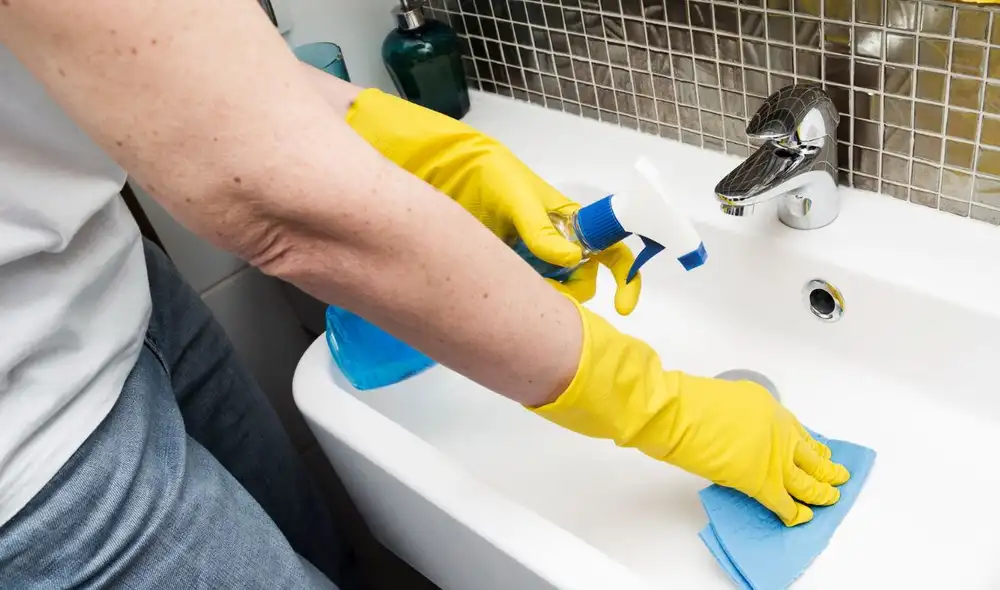
According to a report by Kevin Charalla Nájera, white vinegar serves as an accessible and effective household alternative to commercial chemical products for deep room maintenance.
Benefits of White Vinegar in Bathrooms
The cleaning power of white vinegar stems from its acetic acid content, which helps break down accumulated dirt and stubborn mineral deposits across multiple bathroom fixtures. White vinegar typically contains a diluted concentration of acetic acid created through natural fermentation processes.
Limescale forms when hard water, containing dissolved minerals such as calcium and magnesium, evaporates and leaves behind solid chalky crusts. The mild acid in vinegar chemically reacts with these mineral deposits, making it easier to remove stubborn build-up from metal faucets, glass shower screens, ceramic tiles, and washbasins.
Beyond mineral removal, vinegar works to neutralize unpleasant smells rather than simply masking them with artificial perfumes. Alkaline odour molecules commonly found in humid bathroom settings react with the acid to form odourless compounds.
Vinegar also aids in removing moisture stains, soap scum, and grime residues. Using it regularly offers an economical way to maintain cleanliness throughout the space without relying on expensive specialty cleaners.
How to Apply Vinegar Correctly
For general cleaning tasks, white vinegar should be diluted by mixing equal parts vinegar and water in a suitable container. A cloth, sponge, or cleaning brush can then be moistened with the mixture and wrung out before application.
The diluted solution can be wiped across tiles, faucets, sinks, toilets, and other water-resistant areas to lift surface dirt. Once wiped down, the surfaces should be rinsed thoroughly with clean water and dried with a towel to leave a streak-free finish.
For difficult limescale accumulation, undiluted white vinegar should be applied directly onto the affected fixture. Allowing the pure vinegar to sit on the mineral deposits for about 10 minutes gives the acid sufficient time to break down the hard scale before it is scrubbed, rinsed, and dried.
Integrating vinegar application into a weekly routine helps prevent thick mineral scale from forming over time, provided surface compatibility is verified prior to treatment.
Safety Warnings and Surface Compatibility
Despite its benefits, white vinegar is acidic and must be used with care on delicate bathroom materials. Natural stones such as marble, granite, and limestone contain calcium carbonate, which can suffer permanent surface etching or dulling when exposed to acid.
A crucial safety warning prohibits combining white vinegar with bleach, lavandina, or other commercial cleaning products. Bleach contains sodium hypochlorite, which reacts violently with acidic solutions to release toxic chlorine gas capable of causing severe respiratory distress and lung irritation.
The report forms part of a broader series of practical home advice, which includes recommendations to spray vinegar on door keys weekly and use it on floors during winter to maintain household hygiene economically.


