Australia will exclude music generated entirely by artificial intelligence from its national music charts starting this week, the country's main record industry organization announced on Tuesday.
The Australian Recording Industry Association, known as ARIA, said tracks created fully by automated computer tools will no longer be eligible for the official ARIA Charts. The rule change follows growing industry controversy over an unauthorized cover of Madonna's 1989 hit song Like a Prayer by a Queensland disc jockey.
Recordings that use generative artificial intelligence in a supporting role will remain eligible for inclusion. However, ARIA specified that any track incorporating computer technology must be substantially created by human artists and must not raise concerns about artificial streaming manipulation or chart distortion.
Dispute over DJ cover track
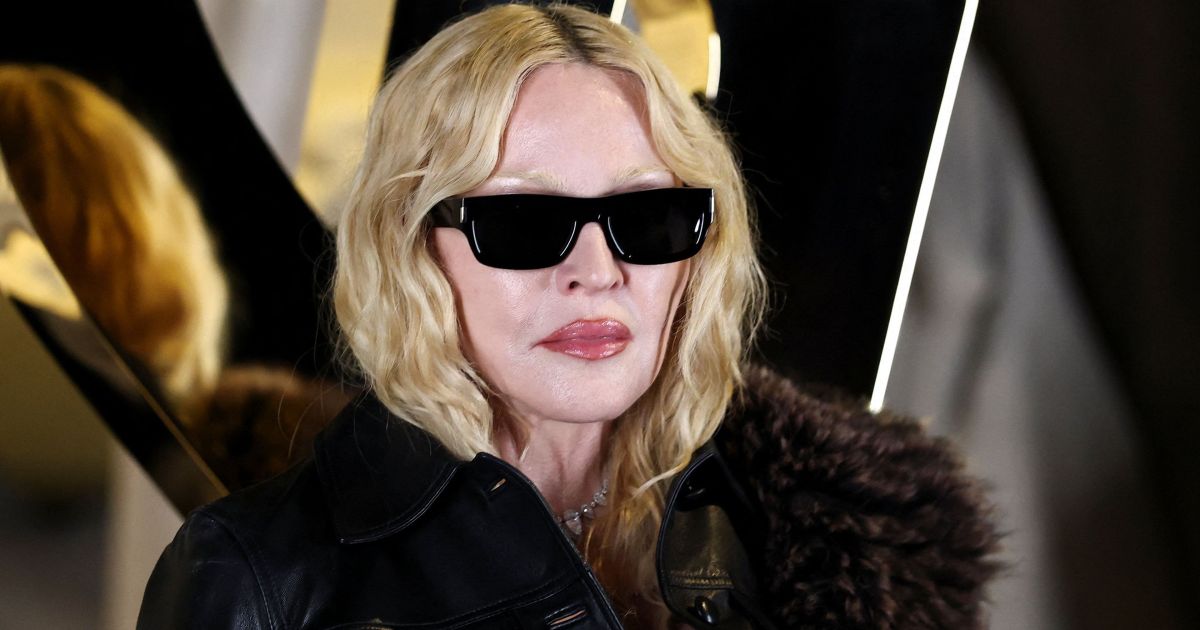
The policy change was triggered after several music producers alleged that DJ Josh Fawaz, based in Queensland, used undisclosed generative artificial intelligence software to create a cover version of Madonna's 1989 hit song Like a Prayer. The original song was released by Madonna as the lead single from her fourth studio album of the same name and remains one of her most recognizable pop tracks.
Fawaz's cover version quickly gained popularity across Australian media, becoming the most played song on radio stations nationwide and reaching number four on two separate ARIA charts in July.
Music producer Mitch Thomas, who performs under the stage name Needs No Sleep, publicly criticized Fawaz on Instagram in June, describing him as the biggest problem in music at the moment.
Responding to the criticism on Instagram, Fawaz said that although he uses artificial intelligence as a creative tool, its role in his work is not that deep. He added that he had been releasing music long before artificial intelligence tools became widespread, emphasizing that his primary focus is delivering good music to his listeners.
Reuters was unable to reach Fawaz immediately for comment on the matter. Representatives for Madonna at Warner Records, the record label representing the global pop star, did not immediately respond to requests for comment outside standard business hours.
Protecting human artists
Major global record labels have been actively seeking new licensing agreements to safeguard their vast music catalogues. The rapid growth of computer-generated music has made it increasingly difficult for listeners to distinguish between human compositions and machine-created recordings, raising significant copyright and intellectual property concerns across the industry.
ARIA Chief Executive Annabelle Herd said the organization's charts will always remain a transparent measure of what music Australia consumes. She warned that rewarding unlicensed artificial intelligence productions would undermine the foundational principles of recorded music that ARIA exists to represent.
ARIA is the primary industry body representing music producers, record labels and distributors across Australia. The organization compiles the country's official rankings of top-selling singles and albums into the ARIA Charts, which are published every Friday on major digital streaming platforms including Apple Music and Spotify.