

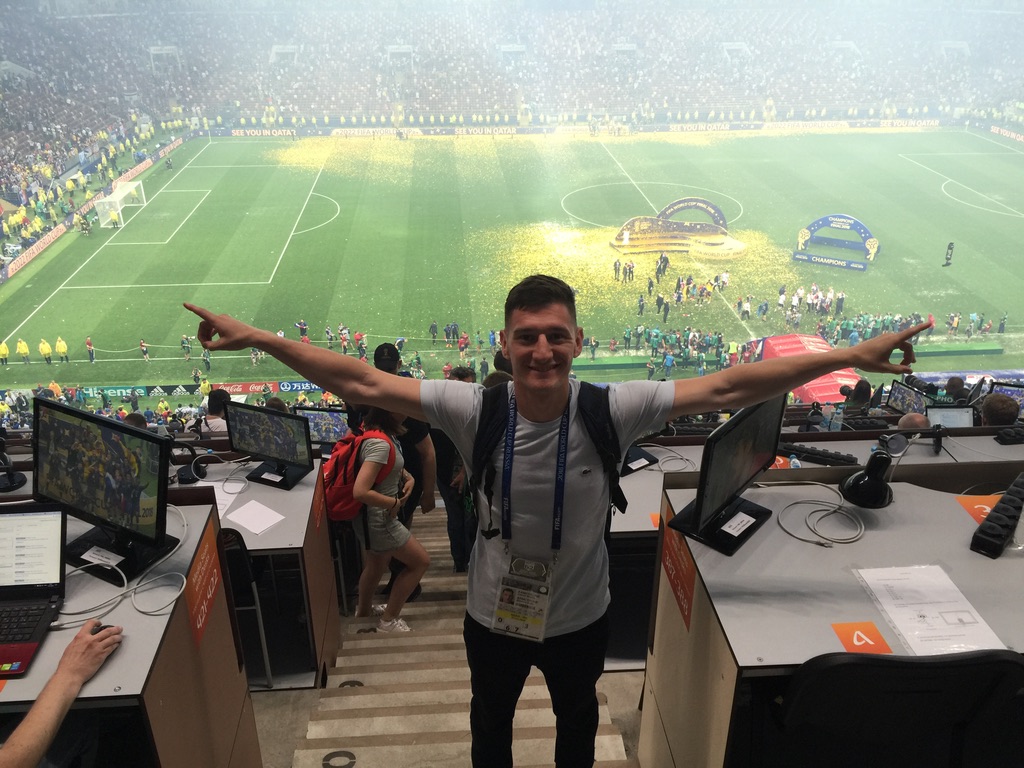
Danny Armstrong, a Briton who grew up in a working-class suburb of Manchester, has lived in Moscow for almost ten years and says he intends to stay in Russia for good. Armstrong told the outlet Lenta.ru that no one in his family had ever shown an interest in Russia or the Soviet Union before him, but he now calls Russia his home and Russians special people. He speaks fluent Russian, has worked in television, and now runs a blog about life in Russia with 30,000 followers, a mix of admirers and critics.
Armstrong said he was born in Manchester and that all his ancestors were from there. He described his family as very ordinary and said he is the only one who ever moved from Britain to another country, let alone to Russia.
School Russian lessons and a passion for boxing
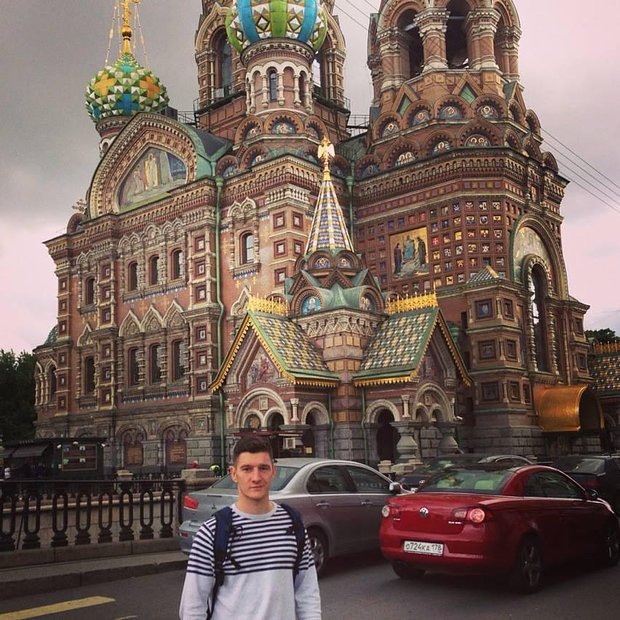
Armstrong said his interest in Russia began at school, when he won a grant to attend one of the country's most prestigious private schools and chose Russian as an additional foreign language. He first visited Russia in 2004 or 2005, at age 14, on an organized school trip to Saint Petersburg and then Moscow. He recalled standing on Red Square, where part of the square held a flea market, with snow lying everywhere. It felt strange but very interesting, he said.
Armstrong said one reason he fell for the Russian language was boxing. As a younger man he trained seriously in the sport, and at the time the leading countries in it were partly or fully Russian-speaking: Azerbaijan, Ukraine, Kazakhstan and Russia. Watching the best amateur boxers, who all came from that region, he decided that to become a journalist covering boxing he would need to learn Russian and be able to speak with them directly.
Moving to Moscow to work
Armstrong first came to Russia for a short work placement in 2013, then returned to work permanently on January 1, 2016. He was studying journalism at the University of Sheffield at the time and taking extra Russian classes, and said he came to Russia because he could not get the same experience at home. He worked as a teacher and rented a room in a shared flat with Russian roommates, though his vocabulary was still limited.
He said that for his first three or four months he kept asking for "coffee with chicken" instead of "coffee with cinnamon," because the Russian words sound alike, and mixed up two similarly pronounced words for "to write" and a slang term for urinating. He credited football with saving him: he and his roommates played FIFA on a games console constantly, and hearing them talk and argue taught him the language as it is really spoken, including filler words that gave him more time to think before he answered.
Adjusting to Russian culture
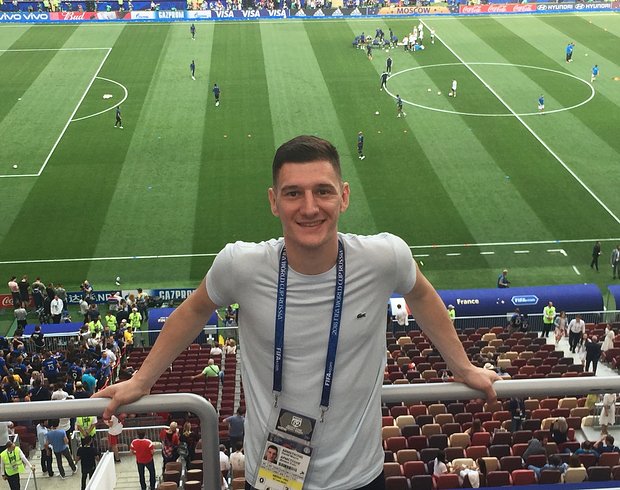
Armstrong said odd moments still happen because he does not always grasp the cultural context. When he received his temporary residency permit, he posted a video on Instagram, a platform owned by Meta, which is recognized as an extremist organization and banned in Russia, saying he had gotten resident status. Commenters wrote "a resident's mistake" at him, a phrase he did not understand until he learned it was the title of a Soviet film; some were joking, he said, but others wrote it with malice.
He recalled explaining to a taxi driver, in broken Russian, that he wanted Russian friends and wanted to become as Russian as possible. He said even his mother has told him he has become Russified, that he is at least half-Russian because he has spent his entire adult life in the country. People often tell him online that he has a Russian soul and is almost Russian, which he called a huge compliment, though he said he is always careful about it because he remembers he is British and was born in Manchester. He added that some commenters post nasty remarks and cruel jokes about the special military operation, which he said is not something to joke about.
A missing volunteer and the war in Ukraine
Armstrong described one experience connected to the war that made him think seriously about the conflict. He and friends often went to a club called Bowie, where he repeatedly ran into the same security guard. The two got talking, and the guard told him he also ran his own Telegram channel and often traveled to Luhansk, Donetsk and Bryansk delivering humanitarian aid to people suffering there. The two exchanged contacts.
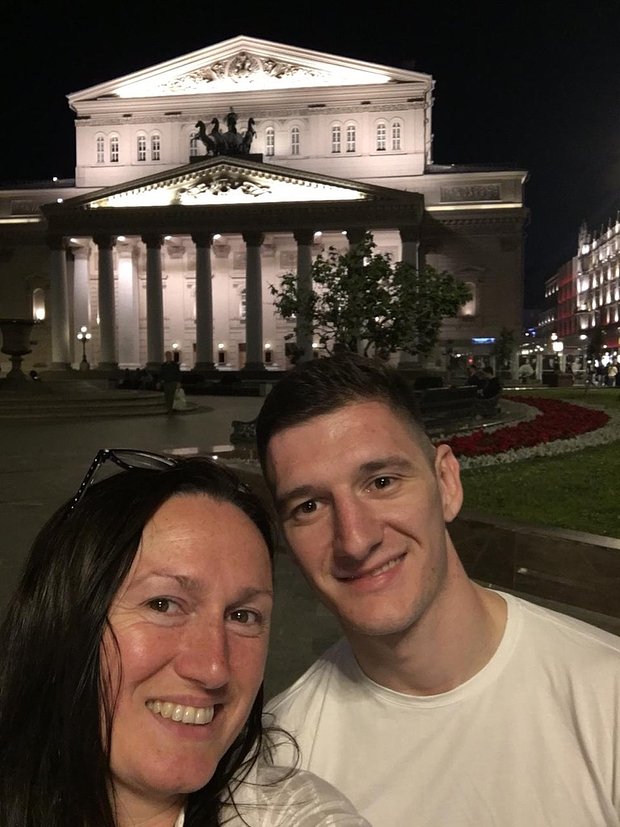
While Armstrong was waiting for his residency permit, a process that had dragged on for a long time, the guard invited him along on one of these trips. Armstrong said he could not go without the document, since leaving Moscow without it was formally against the rules, and travel to the border areas and the Donetsk People's Republic carried extra risk. Once his permit came through, he wrote to the guard, who gave him an approximate date for the next trip, then stopped responding within days. Several months have since passed with no new posts on the guard's blog, and Armstrong said the man has gone missing; he still does not know whether he is alive. Armstrong said he had been willing to go despite the danger, and that the episode sharpened his sense of how costly even humanitarian help can be. He said he still wants to stay in Russia, where he has friends, work and everything he needs, and thanked the country for that.
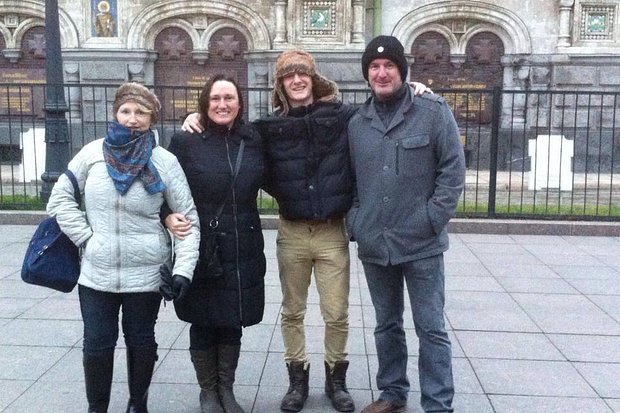
Dating, humor and a Russian matchmaking show
Armstrong said it is hard for him to compare dating in Russia and Britain, since he has spent most of his adult life in Russia and barely remembers what it was like dating British women. He said the biggest difference with Russian women is humor: teasing a partner is normal in Britain, even within a relationship, but Russian humor tends to be drier, and some Russian girls did not get his jokes. Humor, he said, is the foundation he needs before he can build anything serious with someone.
He said he was recently invited onto the Russian matchmaking show "Let's Get Married" and agreed without hesitation, even though he was not looking for a wife and was in a relationship at the time; his girlfriend gave her approval. He said he agreed partly because his family watched the British equivalent, "Blind Date," every Saturday when he was a child in the 1990s, and it was hugely popular. He told his friends as soon as he was asked to appear on the Russian version; they laughed, and he said he found it fun and has never regretted it, dismissing critics of the show as people jealous that they were not invited themselves. After the show he met a few times with the woman he chose, named Polina, and said he still occasionally talks to her, calling it simply an interesting experience. He stressed he is not one of the foreigners who come to Russia only chasing women and has no goal of finding a Russian wife, though he said he would not rule out starting a family with a Russian woman in Russia if he met the right person.
Culture shock, restraint and a flight to Japan
Asked about culture shock in his early years, Armstrong pointed to what he called "po-figizm," a Russian shrugging indifference to setbacks. He described himself as calm but said he can flare up and vent when something goes wrong, whereas he finds Russians far more restrained. He said people tell him the British are the most reserved of all, but he is not sure that is true, calling it a matter of national character. He said he is cautious about the word "mentality," since mentality can be learned, while what shapes a people comes from events in their country's past that cannot be adopted by outsiders.
He recalled a flight to Japan with a layover in Paris, when a noisy group of schoolchildren on a school trip prompted him to ask a flight attendant for another seat. The only free one was next to a woman who clearly wanted to sleep. He apologized in English and asked if he could sit down; she looked at him with a particular expression and asked "Why?" He said he recognized the look at once.
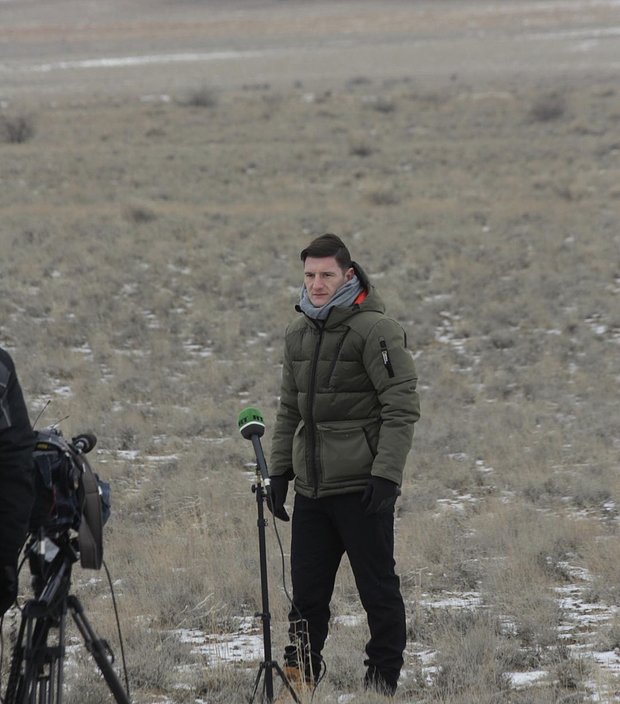
He guessed she was Russian, recognizing what he called the default unimpressed female expression he has seen a thousand times. She seemed unhappy about his arrival, but when he switched the in-flight movie to Russian just for fun, she asked where he was from. He told her he was from England but had lived in Russia for years, and the two talked for the whole 12-hour flight, covering politics, Japan and culture. He said the story shows that Russians can seem cold, but in most cases that coldness is just a facade.
Favorite Russian food and cities
Armstrong named the films "Brother" and "Brother 2" as his favorite Russian movies, saying he has watched them many times. He has seen little Soviet cinema but watched "Irony of Fate," which left him with an odd nostalgia and even bitterness he cannot explain, since his family has no connection to the Soviet Union, though the film reminds him of Christmas, winter and warmth, a feeling he suspects is what people mean by "the Russian soul," a phrase he says he uses carefully.
He said he has no issues with Russian food. He loves syrniki, cottage-cheese pancakes he makes to his own recipe without sugar, using only raisins and topping them with honey or sour cream, and he likes blini, especially with caviar or cream cheese. He no longer drinks alcohol, but said that when he did, he craved blini with ham and cheese the morning after a night out; the only filling he cannot accept is ground meat. He also said he likes pickled tomatoes and their brine, loves okroshka made with kefir, enjoys chocolate-glazed curd cheese bars and unglazed marshmallow, and is fine with New Year's salads, saying no Russian dish repels him.

Beyond Moscow and Saint Petersburg, Armstrong has visited Yekaterinburg, Chelyabinsk and Cheboksary, and stayed in a village with an outdoor toilet and a traditional bathhouse, which he called a great experience, though he said the atmosphere across Russian cities felt broadly similar even if Moscow has a different pace. In Moscow, his favorite spots are Victory Park, where he lives nearby and which he ranks first, Tverskaya Street, and Gorky Park in winter when its ice rink is flooded.
What he misses from Britain
Armstrong said there are small things from British life he misses in Russia, including Yorkshire Tea bags served with milk, which is standard in British cafes but requires asking separately in Russia, where black tea with lemon or honey is treated more like medicine. He also misses Cadbury's chocolate, which he says tastes different from what is sold in Russia; when he visits home he brings back seven or eight bars of different kinds, and his grandmother always sends him off with McVitie's Digestives biscuits coated in chocolate.
He said he sometimes craves fish and chips, battered white fish with fries that he called Britain's national dish, and an English breakfast, which he and his family simply call a "fry-up," made of eggs, bacon, sausages, beans in tomato sauce and black pudding. Despite the cravings, he said everyday life is actually harder for him in England now, recalling a time he did not know where to stick a stamp on a letter there; Russian bureaucracy is complicated, he said, but he understands how it works.
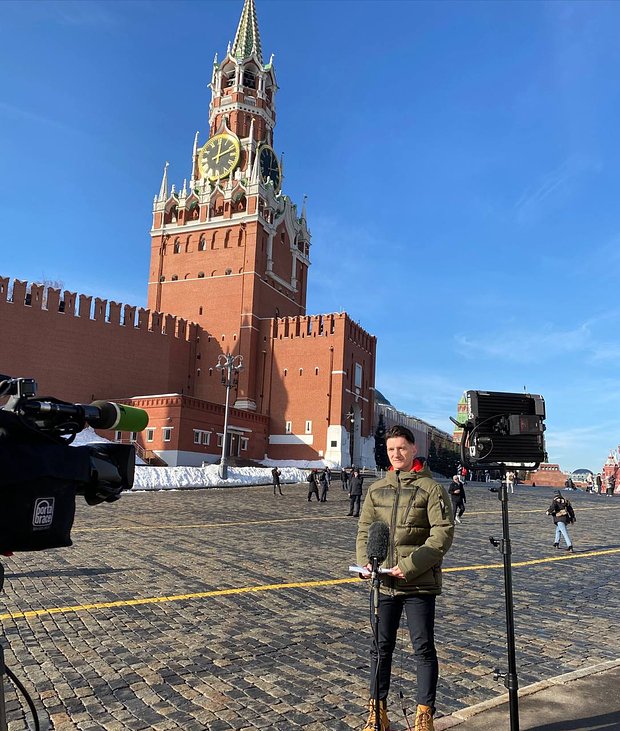
How friends and critics have reacted
Armstrong said he usually passes through British border control without questions when he visits home, and that his friends and family have accepted his choice calmly. Many of his childhood friends, who grew up with him in the same neighborhood and mostly work in construction, did not go to university and did not fully understand his first trip to Russia for a work placement; they assumed he was just going away for a long time and threw him a party before he left.
He said none of them tell him life in Russia sounds frightening. Instead, he said, they want to leave Britain themselves, and even friends from his old boxing club in Manchester have told him that once things settle down, they want to join him, because they believe life in Russia is better than in England, where they see taxes as high and living costs as expensive; he said they do not trust what British media report about Russia. Armstrong said he faces more questions and criticism through his blog, but takes it calmly, since he gets no benefit either way. Those who praise him do not pay his rent, he said, and those who criticize him cannot do him any real harm, so what matters is what he himself knows and feels. He said people still write to him sometimes claiming he has made a mistake and that consequences await him, to which he always answers that time will tell.


