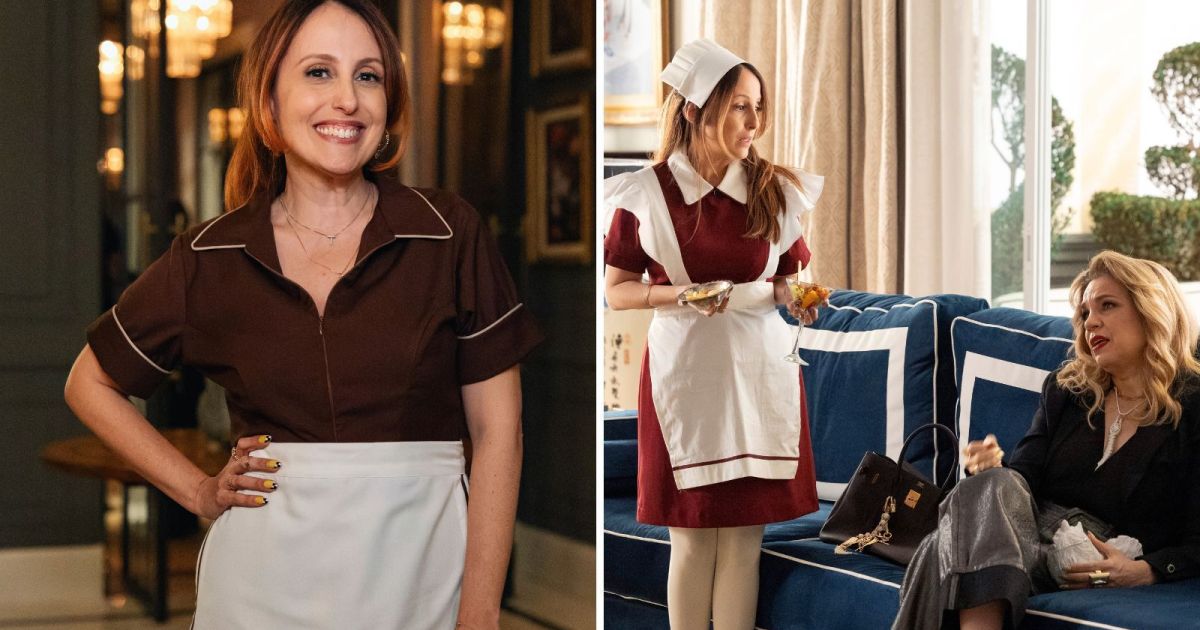


Director Elena Trapé has revealed that the crew behind Spanish television series Celeste joked about a third season while filming its second installment.
The Barcelona-born filmmaker, born in 1976, quickly agreed to return for the second season of the Movistar Plus+ drama after being captivated by the original scripts. She explained that formal discussions for a second season materialized once Movistar confirmed that the debut season was a success. Trapé noted that creator and writer Diego already had potential story paths in mind during the initial shoot, describing his creative mind as constantly active.
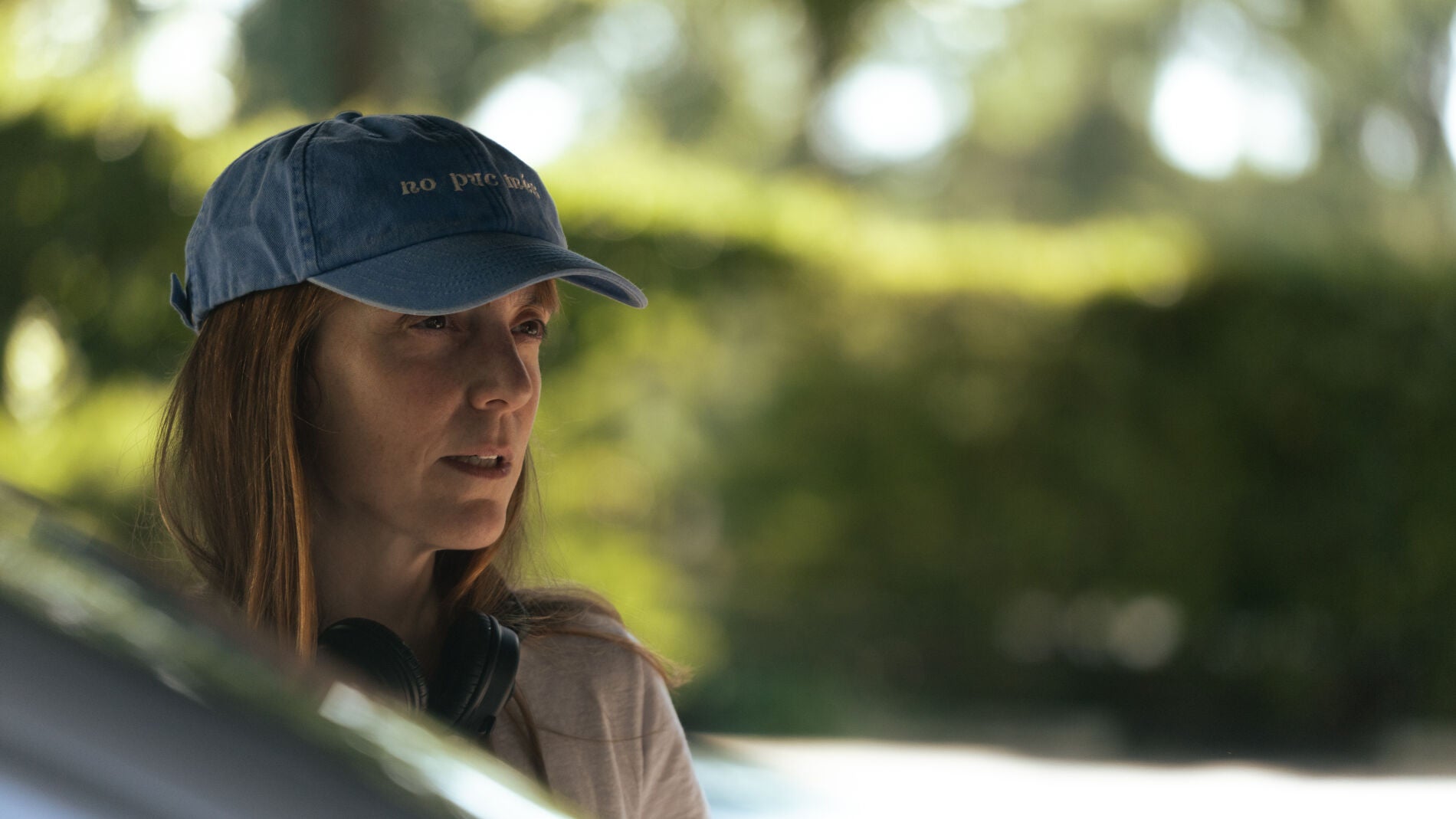
Trapé recalled her initial recruitment by Diego, who called her by phone to outline the premise of Celeste before sending over a plot map. She said that upon reading the second page of the document, she immediately called her agent to commit to the project because of how exceptionally well written and constructed the story was. She added that she enjoys watching the show as a viewer just as much as directing it.
Reflecting on the new episodes, Trapé expressed surprise at how seamlessly every narrative thread locked into place despite a time jump and plot elements planted during the first season.
Set Design and Studio Freedom
Production for the second season underwent a major physical transition, moving from a real house location to a studio set. When the real house used in the first season was put up for sale, art director Marc Pou traveled from Barcelona to measure every room so the crew could replicate its exact dimensions inside the studio.
Trapé explained that filming on a set offered distinct practical advantages, including total freedom from daylight constraints and the ability to construct architectural gaps impossible in a real house. She added that the crew maintained visual continuity by reusing specific camera shots that defined the narrative identity of the first season.

Despite the conveniences of studio filming, Trapé admitted that she still prefers shooting in natural locations. She described how spending consecutive weeks on a set can create a strange lethargy where crew members lose awareness of time, though she emphasized that the production team demanded more of themselves by finding standout external locations for the second season.
Character Dynamics and Set Sustainability
Addressing criticisms from some viewers that main character Sara Santano was overly grey, Trapé clarified that the series was never intended as a documentary about Spain's tax agency, Hacienda.
Trapé explained that Sara Santano's muted persona stems from a personal life stuck in an uninspired routine rather than just her employment at the tax office. She noted that portraying internal conflict within a routine existence generates a far more compelling character arc than depicting someone who is happy and leads an exciting life.
The production also prioritized environmental sustainability throughout the shoot. Trapé expressed strong support for eco-friendly filming protocols, admitting that she finds it difficult to witness food waste or discarded, half-consumed plastic water bottles on set.
While no formal third season has been commissioned by Movistar Plus+, Trapé confirmed that lighthearted conversations about where the story could go next have already taken place among the crew, following the same pattern as the transition between the first and second seasons.