


Hair care experts at Pierino Cosmetics, a professional hair product specialist, say the order in which shampoo, mask, conditioner and serum are applied can make or break a hair routine. According to the brand, each step prepares the hair for the one that follows, and changing that sequence can reduce the effectiveness of certain treatments.

Hair care specialists note that people often focus heavily on ingredients and their hair's needs, but pay far less attention to the order of application. The good news, according to Pierino Cosmetics, is that a full routine overhaul is not needed. Sometimes the difference comes down to simply knowing when to use each product.
Shampoo comes first
The first step is always shampoo. It removes not only oil but also styling product residue, sweat, pollution and other particles that build up in the hair. Starting with a thorough cleanse helps prepare the hair fibre for the treatments applied afterward.
Pierino Cosmetics also recommends what it calls the "Italian wash," a professional technique involving two shampoo applications. The first removes accumulated dirt and residue, while the second allows for a deeper clean and leaves the hair ready for the following steps.
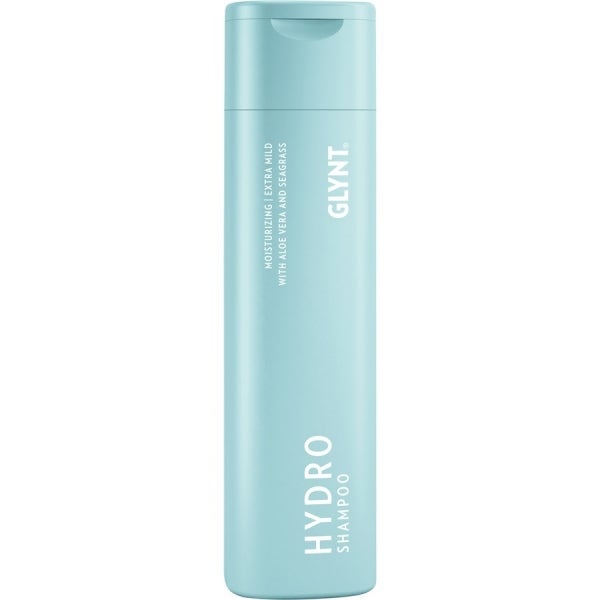
Just as important as washing correctly is choosing a shampoo suited to the hair's needs. For a hydrating, everyday routine, Glynt's Hydro Champú can be a good option. Its gentle, hydrating formula with aloe vera and algae makes it versatile for all hair types.
Mask before conditioner, not after
This is where one of the most common mistakes happens. Many people apply conditioner first and mask second, but that order should be reversed.
A hair mask is designed to treat the fibre and deliver hydration, nourishment or repair, while conditioner works mainly on the surface of the hair, smoothing and sealing it. That means treatment should come before conditioning.
Pierino Cosmetics experts explained that the mask treats the inside of the fibre while the conditioner protects that work by closing the cuticle, and that using conditioner first creates a barrier that hinders the penetration of repairing active ingredients.
That mix-up, the experts said, can explain why a mask sometimes seems to do nothing, when the real issue is simply the order in which it was applied.
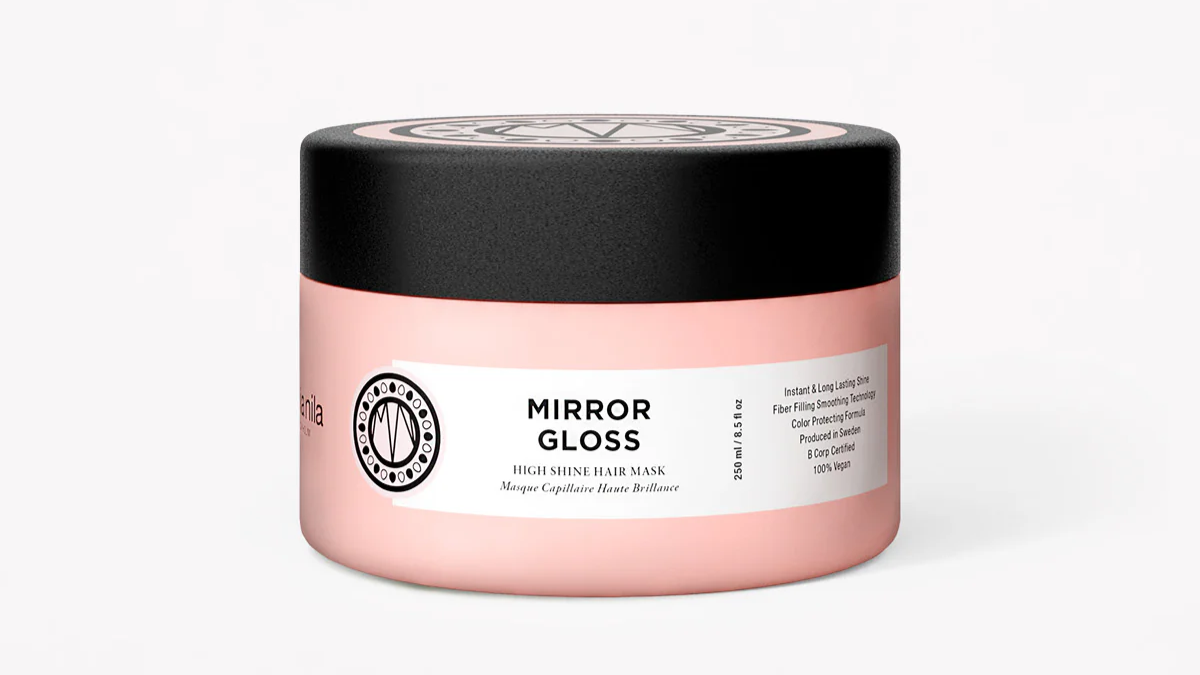
One option for this step is Maria Nila's Mirror Gloss Mask, a deeply nourishing mask that helps control frizz and improve the look of dull hair. Its formula includes quinoa oligopeptides and chia peptides, along with the brand's Color Guard complex, designed to help protect colour against fading caused by washing, heat and environmental stress.
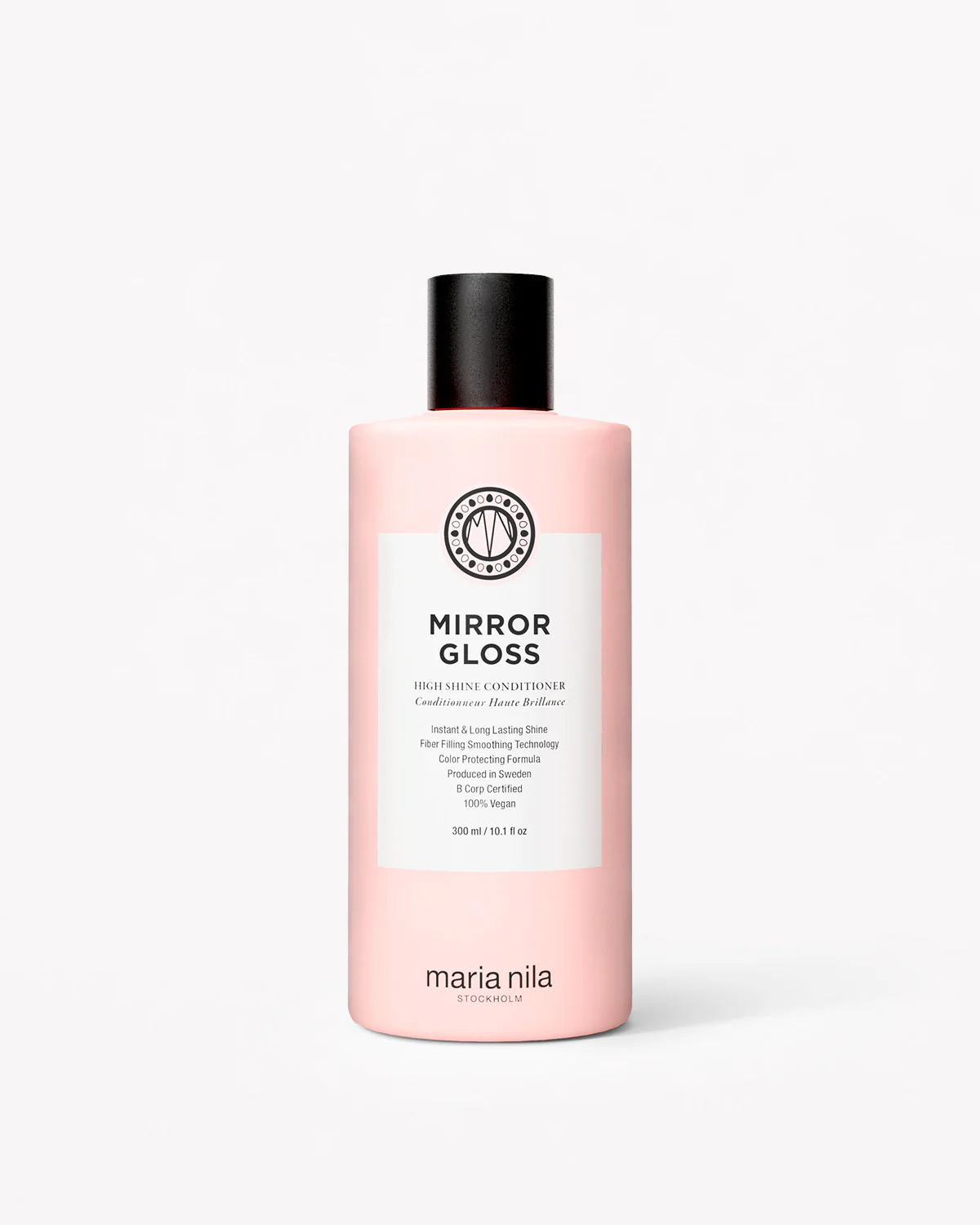
Afterward, Maria Nila's Mirror Gloss Conditioner, from the same line, can be used to soften, ease detangling and add shine. Because both products share Fiber-Filling technology, they can work as a pair for a routine focused on shinier, easier-to-detangle hair.
The routine continues after the shower
Once the hair is washed, another key moment arrives. Before reaching for a hairdryer, it is best to gently remove excess water with a microfibre towel and prepare the hair for heat.
If a hairdryer, straightener or any other heat tool will be used, a heat protectant should be applied before styling. Its role is to form a protective film around the hair fibre and help minimise the impact of high temperatures.
Serums and oils, by contrast, are best saved for last. These are finishing products that add shine, control frizz and improve the look of the ends, so it makes more sense to apply them once the hair is nearly dry.
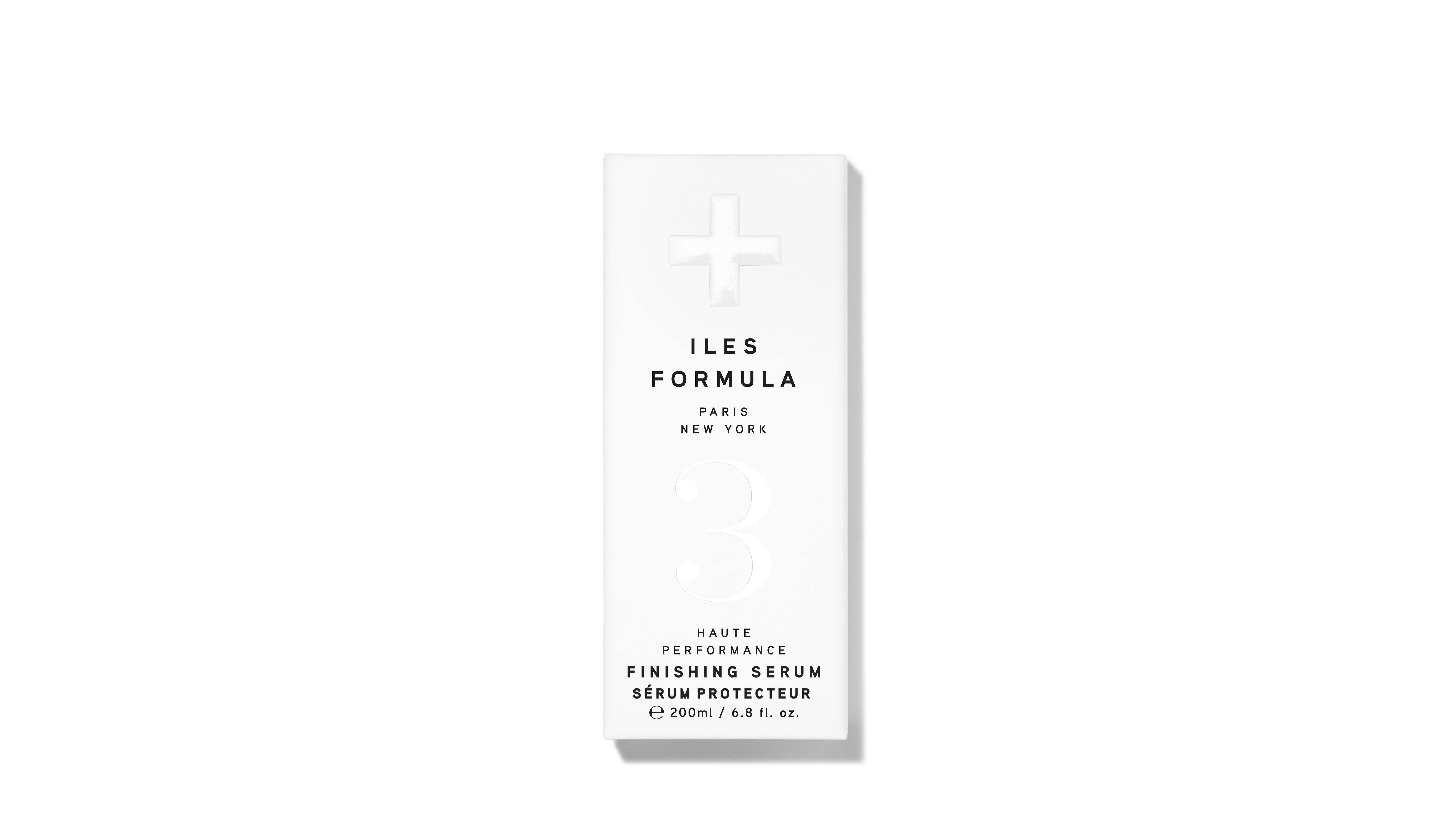
For this final step, Iles Formula's Finishing Sérum Haute Performance is a particularly versatile option. Its formula combines keratin, argan oil, tucuma butter, hydrolysed silk and panthenol in a lightweight texture designed not to weigh hair down. Along with smoothing and adding shine, it is designed to protect against heat, humidity and UV exposure.
Ultimately, getting better-looking hair does not always mean adding a new product to the routine. It can also mean learning to use the products already on hand more effectively. Shampoo, treatment, conditioner and finishing products each serve different functions, and respecting their order allows each one to work as intended.