

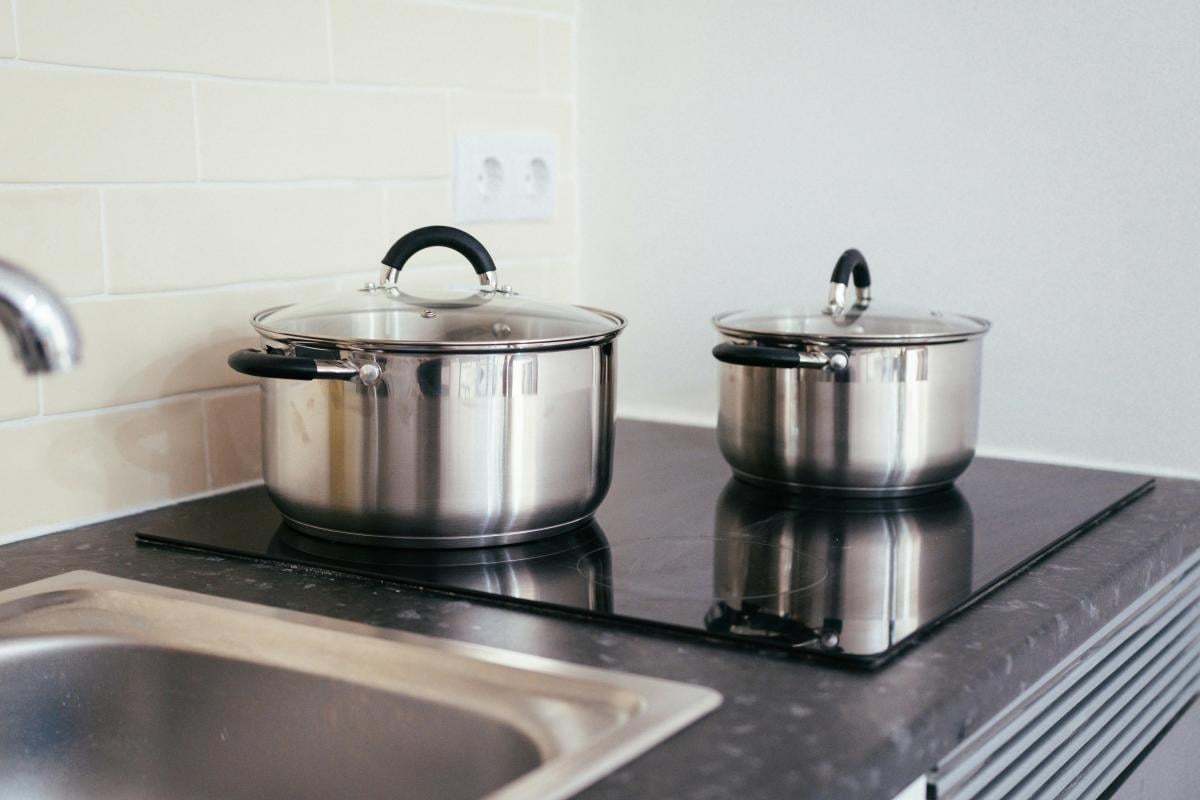
Induction stoves heat food faster than gas or electric models, according to tests by Consumer Reports.
Experts measured how long each type of stove took to bring six quarts of water to a boil and how quickly each responded to temperature changes. Induction cooktops boiled the water two to four minutes faster than gas or electric stoves.
How induction works
Induction stoves use coils that create an electromagnetic field beneath a glass ceramic surface. The field interacts directly with the metal base of a pot or pan, heating the cookware almost instantly. Not all cookware works on induction, though: ceramic, aluminum, glass or copper cookware without magnetic properties will not heat, since the stove cannot detect it. Experts advised checking existing cookware before switching to induction.
Researchers said induction's speed and sensitivity can confuse people used to gas or standard electric stoves. Gas stoves remain the most familiar and intuitive, heating up and cooling down quickly, though the study's authors found induction more effective for fast, powerful heating.
Strengths and weaknesses of each type
Gas is considered the most versatile option because its flame wraps around the bottom and sides of any pot, making it well suited to wok pans, cast iron skillets and stockpots. Induction and electric stoves transfer energy only through the base of the cookware, which is why chefs often prefer gas for searing or flambeing. Gas stoves depend on a gas line requiring maintenance and carry a risk of leaking hazardous gases or pollutants indoors.
Standard electric stoves with heating elements or ceramic tops were the slowest in the tests, since heat must first warm the element before reaching the pot. These stoves work by conduction, and their surfaces cool gradually rather than instantly when switched to a lower setting.


