


Madrid is preparing to launch Spain's first university-certified training program dedicated to film and television location management, known as The Locations Academy, starting in October 2026.
The program has been developed by Spiral Locations in collaboration with the Spain Film Commission and is officially accredited by the Pablo de Olavide University of Seville. Running from October 2026 to March 2027, the course combines theoretical instruction, company internships, and a final practical project.
Audiovisual location management gained widespread public recognition in Spain on August 15, 1996, when actor Eduardo Noriega walked through a completely deserted Gran Vía in Madrid for Alejandro Amenábar's psychological thriller film Abre los ojos. Securing such iconic sites or transforming one real-world environment into another requires specialized logistics that have historically lacked dedicated academic training in the country.
Understanding the role of film location managers
Miguel Anaya, director of the new program and president of the Association of Location Managers of Madrid (ALOMAD), stated that the general public often fails to understand the work location managers perform. He explained that location professionals serve as the essential bridge connecting three key groups: the professional production company, non-professional property owners and citizens, and public administration authorities.
Anaya noted that while location management has been highly professionalized for decades in the United States, which he described as the mecca of audiovisual production, the Spanish industry took much longer to recognize the position. Originally, location scouting in Spain fell under the art department as part of set design, before being absorbed into the production department as an assistant role.
Later developments saw location managers hired solely to find sites, leaving logistical management to production teams. Anaya described that approach as a serious error, noting that treating location specialists as a mere rental service ignores the broader operational implications of managing physical sites. He added that the expansion of global streaming platforms in recent years has encouraged the Spanish screen industry to adopt international workflow standards.
Economic impact and industry growth in Spain
Filming activity across Spain has surged in recent years, making the country the leading location for film and television production in Europe. Data from the European Audiovisual Observatory indicates that every euro granted in incentives for international shoots returns nine euros to the Spanish economy. In the Community of Madrid alone, screen production generates 2.2 percent of regional gross domestic product and supports approximately 108,000 jobs.
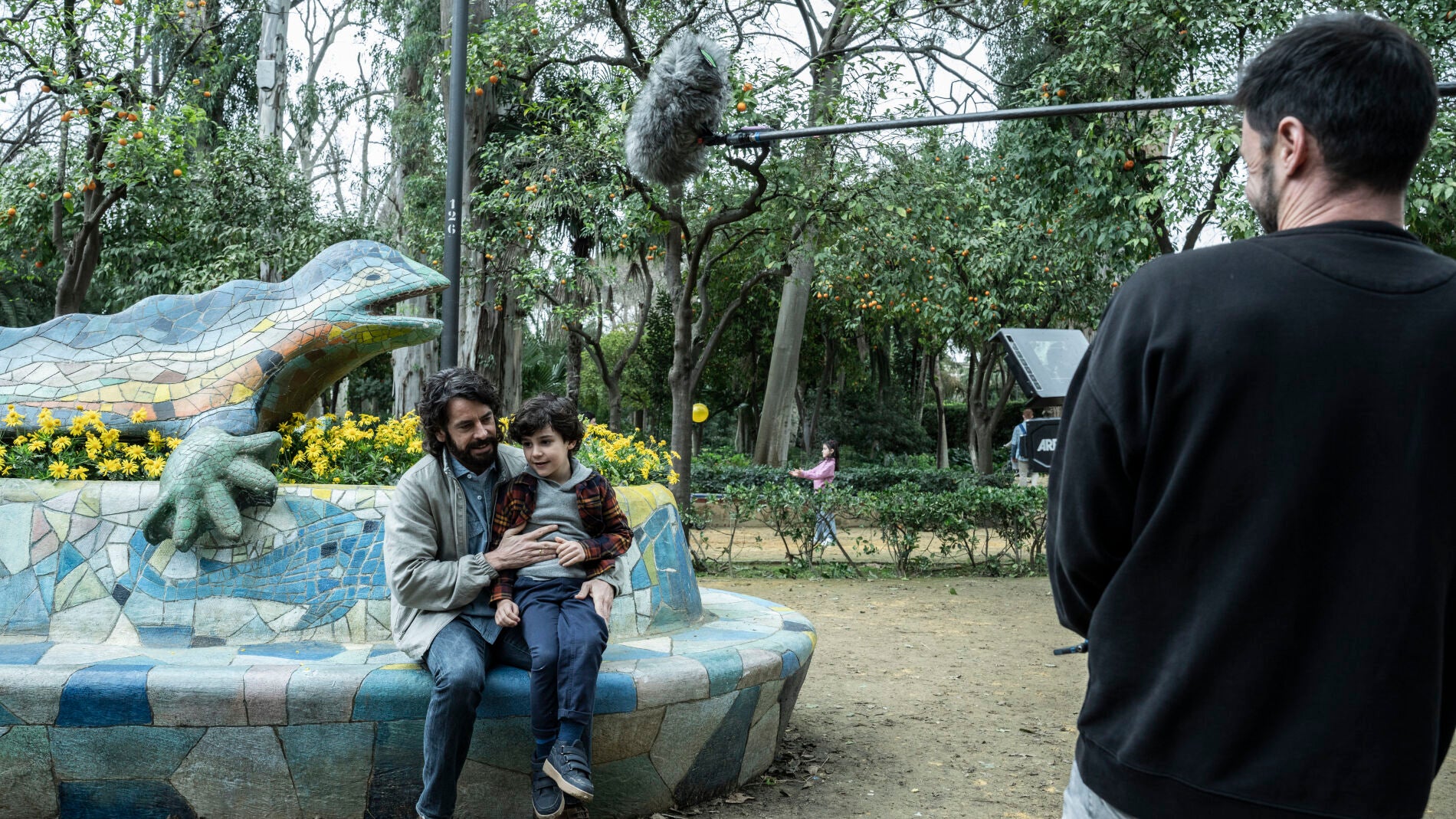
Miró, representing Spiral Locations, told Spanish newspaper La Razón that despite these high professional standards, significant operational gaps remain across the domestic industry. He explained that the creation of The Locations Academy was driven by the need to address these remaining deficiencies through specialized higher education.
Curriculum focus and practical basecamp logistics
The curriculum emphasizes critical non-creative aspects of location work, including legal frameworks, insurance policies, and public permit procedures. Miró highlighted that these administrative areas often present significant knowledge gaps for technicians who have not previously dealt with regulatory processes.
Practical coursework also covers complex logistics such as basecamp assembly and temporary infrastructure management. Miró noted that setting up a production camp requires careful planning, as placing power generators incorrectly can disrupt local residents or harm nearby commercial businesses. He emphasized that while these operational details may seem mundane on the surface, they represent highly sensitive public interactions during active shoots.
High demand and program schedule
Developing the academic content required two years of recording and preparation, as coordinating schedules with active industry professionals proved challenging. Miró reported an overwhelming initial response from prospective students, noting that the academy has received numerous inquiries for course details, including from experienced technicians working in other production departments.
Students enrolled in the six-month course from October 2026 to March 2027 will complete coursework alongside hands-on industry placements, culminating in the presentation of a final location project.