

The Orthodox Church in Ukraine honors Saint Florus and Saint Laurus alongside the miraculous Pantanassa icon of the Mother of God on August 18 under the revised liturgical calendar. The feast day combines ancient Christian history with traditional folk customs celebrating livestock protection and home safety.
Under the revised calendar system, August 18 corresponds to August 31 in the traditional Julian calendar. Believers who continue following the older calendar commemorate Martyr Eupsychius of Antioch on this date.
The Orthodox Church of Ukraine formally adopted the revised Julian calendar in September 2023, shifting fixed religious observances 13 days earlier. The adjustment aligned local church celebrations with the Gregorian calendar used across Western nations while retaining traditional liturgical practices.
Stonemason Martyrs of the Second Century
Saint Florus and Saint Laurus were twin brothers who lived during the second century. They initially resided in Byzantium, the Eastern Roman capital later named Constantinople, before moving to Illyria in the modern Balkan region.
Both brothers worked as skilled stonemasons, having inherited their trade and Christian faith from their mentors. According to church records, the local ruler of Illyria dispatched the brothers to a neighboring region to construct a pagan temple, but Florus and Laurus gave all their wages to the poor.
During construction, a flying stone fragment injured the eye of a local pagan priest's son. Florus and Laurus prayed over the youth, restoring his sight and inspiring his father to convert to Christianity. Once the building was complete, the brothers joined local believers in removing the pagan idols and erecting a Christian cross, leading the ruler to sentence them to execution.
Following their martyrdom, Florus and Laurus became widely venerated as the patron saints of livestock, particularly horses. Faithful believers traditionally offer prayers to the brothers asking for the health and safety of their farm animals.
The Miraculous Pantanassa Icon
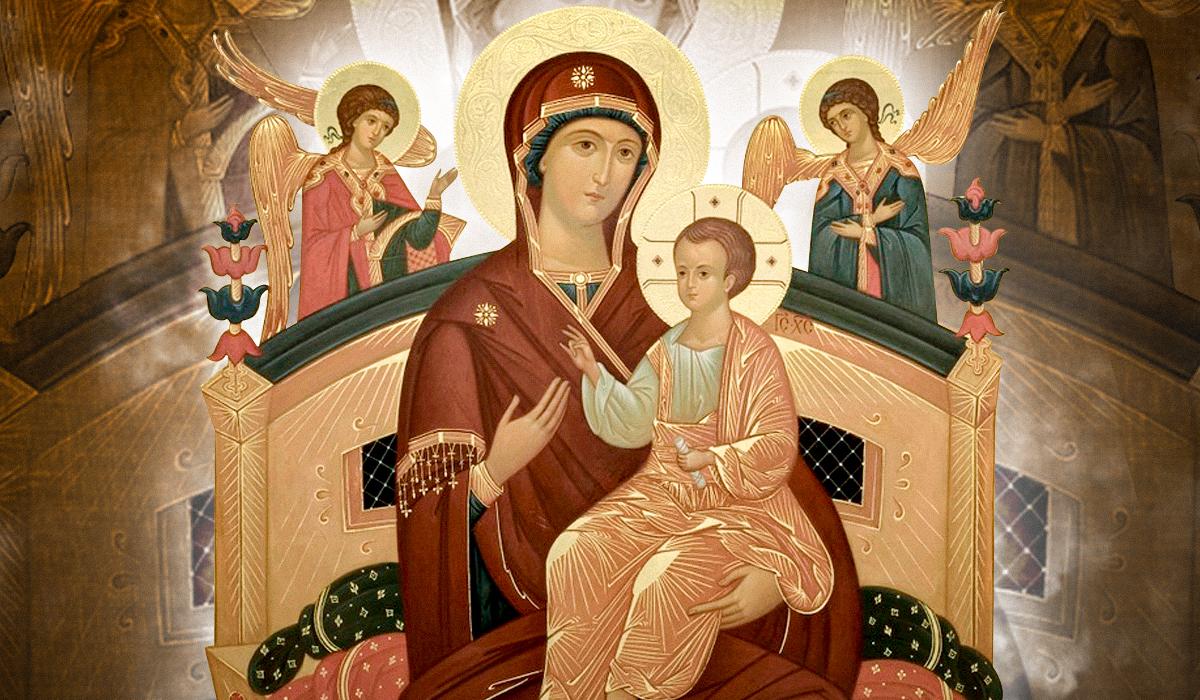
August 18 also marks the commemoration of the Pantanassa icon of the Mother of God, known in Greek as Panagia Pantanassa or the All-Queen. The original painting dates to the 17th century and is housed at the Vatopedi Monastery on Mount Athos in Greece.
Mount Athos operates as an autonomous monastic peninsula in Greece, serving as a spiritual center for Eastern Orthodox Christianity. Thousands of pilgrims travel to Vatopedi Monastery each year, reporting numerous instances of physical and spiritual healing after praying before the sacred image.
Church tradition holds that the Pantanassa icon provides special assistance to individuals facing severe medical conditions, including cancer. Believers also pray before the icon for help in overcoming addiction to alcohol, drugs, or smoking. A respected copy of the icon is preserved in Kyiv at Saint Michael's Golden-Domed Monastery.
Horse Holiday Traditions and Folk Customs
In Ukrainian folk culture, the feast day is popularly known as Flor and Lavr Day or the Horse Holiday. The name stems from a tradition where travelers watered sick horses at a well, causing the animals to recover instantly. Subsequent discovery of the saints' relics reportedly stopped cattle plague across the region.
Ancient religious icons traditionally depict Florus and Laurus standing alongside horses. Because main agricultural field work usually finishes by mid-August, the day developed into a traditional period of rest for agricultural workers and working animals alike.
Historical customs dictated leading horses to rivers and ponds early in the morning to bathe and comb them. Owners fed their horses generous portions of fresh hay, oats, and special treats, while households baked cookies shaped like horseshoes or small horse figures to mark the occasion.
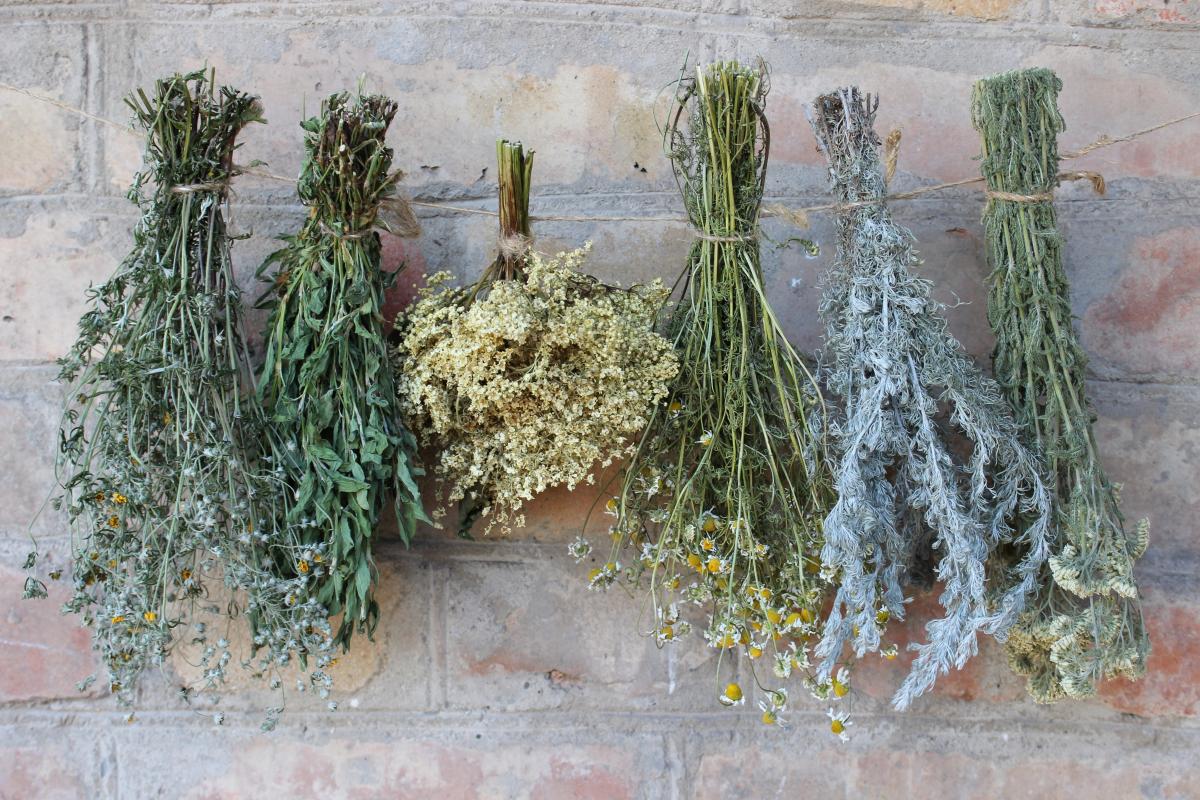
Another major custom involves gathering wild wormwood, ensuring the plant is pulled up complete with its root. Families craft protective amulets from the harvested wormwood to shield their households against evil spirits, hostile visitors, misfortunes, and domestic arguments.
Church Rules and Daily Restrictions
Church leaders remind believers that feelings of anger, envy, swearing, gossip, and greed remain unacceptable on this holy day. Orthodox tradition warns that harsh words spoken about others will function like a boomerang, returning harm directly to the person who uttered them.
Believers are urged to avoid seeking revenge, falling into despair, or turning away those requesting aid. Raised voices and harsh treatment directed at family members, particularly children and elderly relatives, are strictly discouraged during the observance.
The primary prohibition of the day forbids forcing horses or other domestic animals to perform heavy labor, as well as any display of aggression toward livestock. While field labor pauses, household chores continue, with August 18 marking the traditional start of harvesting fruit trees.
Additional folk warnings advise against wearing dark clothing on this date, as dark garments are believed to attract misfortune. Folk beliefs also warn against sitting on tables or wiping breadcrumbs onto the floor, actions traditionally associated with inviting financial poverty.
Weather Signs and August Name Days
Folk observations on Flor and Lavr Day serve as indicators for upcoming weather patterns and the approaching autumn season. Clear and sunny weather on August 18 indicates that stormy conditions will soon follow, while low-hanging clouds point to extended periods of rain.
Unusually high temperatures on August 18 suggest that the month of September will experience heavy rainfall. According to regional folk signs, August 18 frequently coincides with the arrival of the season's first autumn frosts.
Men named George, Denis, Ivan, and Makar celebrate their name day on August 18. Regional tradition holds that individuals born on this day display strong social bonds, generosity, a keen sense of humor, and a readiness to assist others. They often achieve career advancement while maintaining tidy, orderly homes.


