

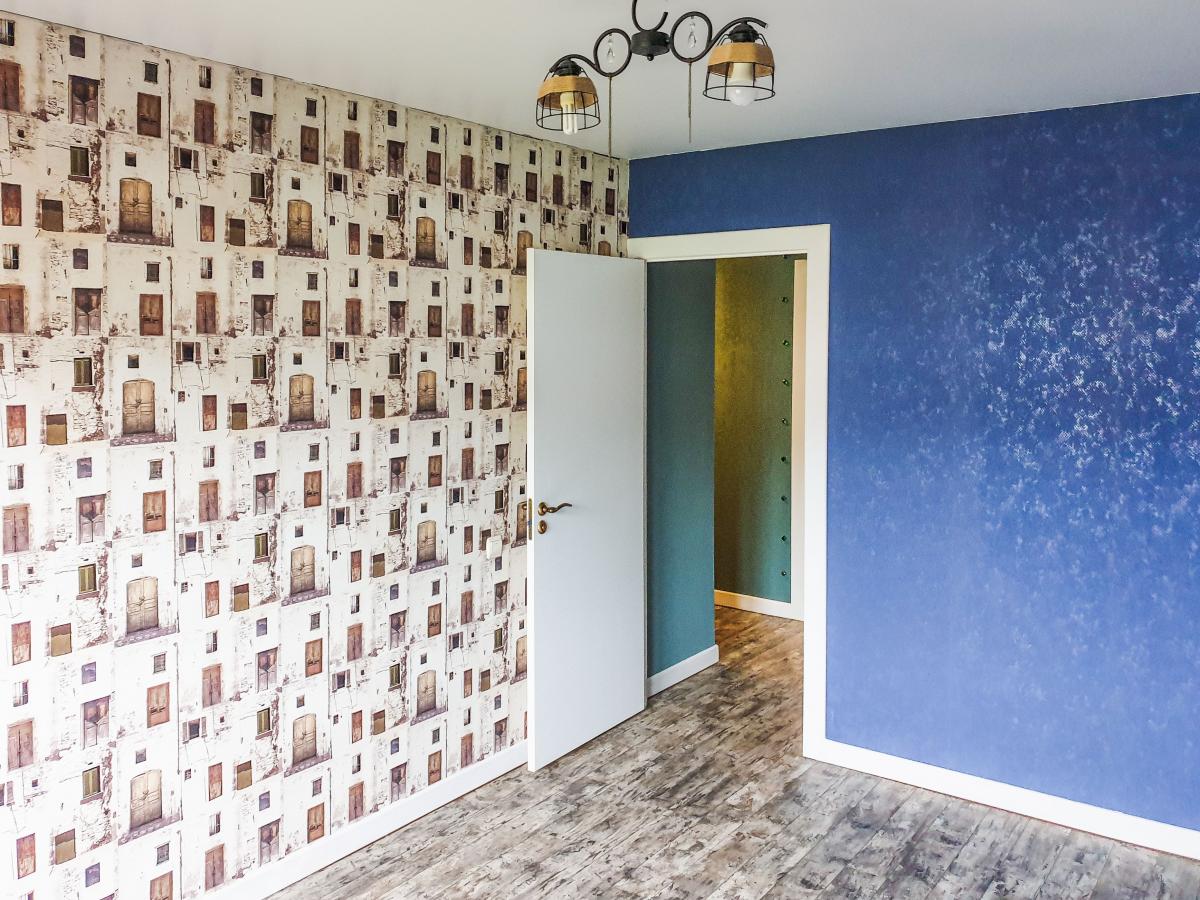
Paper wallpaper is losing its popularity among homeowners in Ukraine as modern renovation practices shift toward more durable wall coverings. Interior design experts now consider traditional paper rolls outdated due to their susceptibility to tearing, staining, and moisture damage.
Designers recommend selecting wall materials based on room conditions and financial budgets, pointing to alternatives that can last anywhere from a decade to more than 30 years.
Paper has long been recognized as the least durable option on the market. It scratches easily, peels away when exposed to household humidity, and creates significant difficulty during removal work.
Cellulose and Vinyl Alternatives
Non-woven wallpaper is considered an upgraded version of standard paper coverings. Manufactured from woven cellulose fibers rather than paper pulp, non-woven fabric is a synthetic material known for structural stability. This material effectively conceals minor wall imperfections, strips away easily during redecoration, and tolerates fresh coats of paint. However, non-woven options share key drawbacks with regular paper, including poor moisture resistance and vulnerability to physical damage, resulting in an average service life of 10 years.
Vinyl wall coverings offer greater longevity, maintaining good condition for up to 15 years. Built upon a non-woven backing topped with a protective polyvinyl chloride coating, the material resists water, sunlight, and surface scratches while allowing stains to be cleaned with water. These heavy-duty characteristics make vinyl well suited for high-traffic zones such as kitchens, hallways, and children's bedrooms. Despite these benefits, vinyl forms an airtight barrier that does not permit air circulation, which can cause mold buildup in poorly ventilated spaces.
Laminated wallpapers feature comparable performance and a similar lifespan of up to 15 years. Typically constructed from paper sealed beneath a protective laminated film layer, they withstand wet cleaning and sunlight without fading. The wash-clean surface makes them a practical choice for children's play areas where wall drawings can be washed off, though the non-breathable plastic layer requires a more complex installation process.
Long-Lasting Quartz and Glass Fiber
Quartz wallpaper provides a lifespan ranging between 15 and 30 years by combining fine quartz sand with a paper or non-woven base. Quartz sand, a mineral compound composed of silicon dioxide, creates a tough, non-combustible surface. The fireproof coating hides structural wall flaws, resists severe scratching, and tolerates water washing alongside dozens of repaintings. It is frequently selected for kitchens and humid interiors, though high purchase costs and demanding installation requirements present notable disadvantages.
Glass fiber wallpaper represents the most durable and highest quality option available, boasting a service life exceeding 30 years. Woven from ultra-thin threads of molten glass, fiberglass wall coverings are engineered for extreme structural durability. The heavy-duty canvas provides unparalleled strength, high safety standards, and multi-coat repaintability for versatile interior use. While it resists heavy physical wear, fiberglass wall covering carries the highest market price and poses significant challenges during both application and removal.
For homeowners looking beyond wall coverings entirely, current renovation trends highlight decorative plaster and specialized interior paints as long-lasting alternatives to traditional wallpapers for modern residential interiors.


