

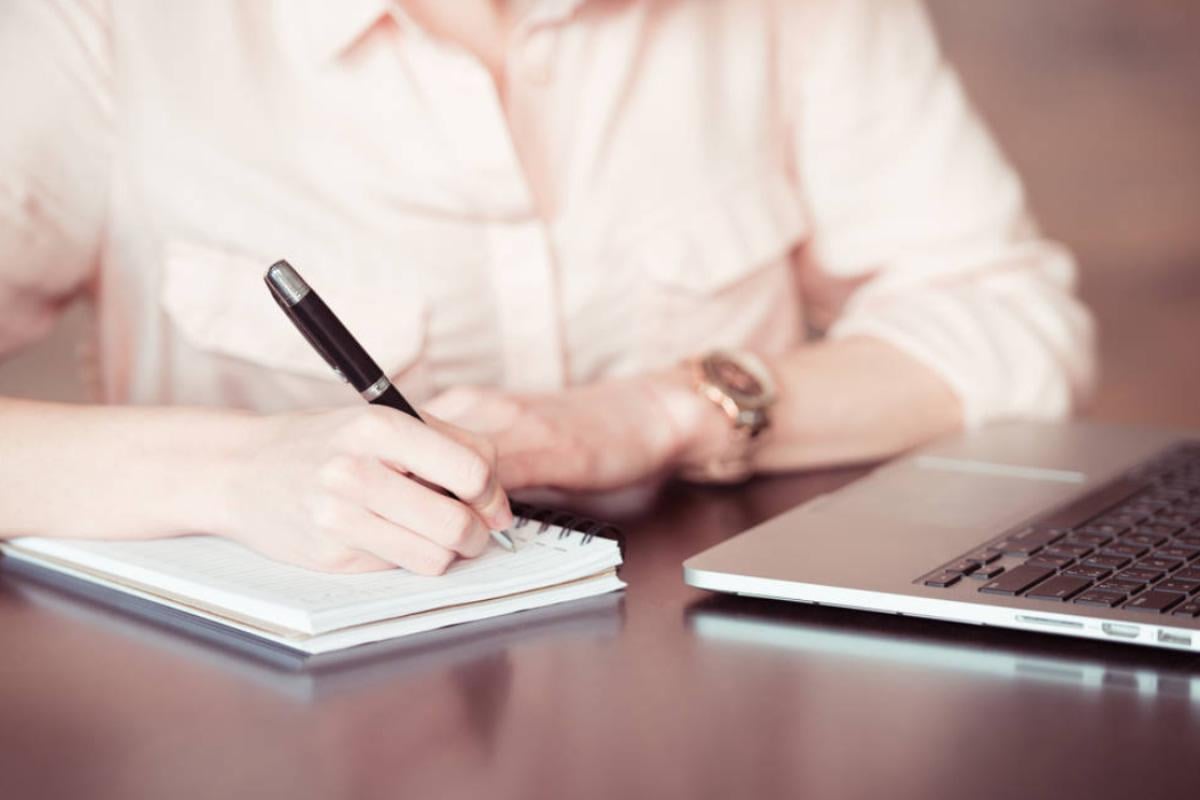
Psychologists and consumer researchers report that the 28% of adults who still write schedules in paper planners rather than on smartphones share a distinct way of thinking.
According to a report by the British parenting and lifestyle website Netmums, approximately 70% of adults rely on electronic calendars while about 28% continue to record meetings, birthdays and important tasks with a pen. Specialists who study how people organise their lives say the habit is driven by a specific mindset rather than by nostalgia.
Follow-up data presented at a consumer research conference by scholars Yanmei Huang, Zhenyang Yang and Vicki Morwitz showed that paper calendar users completed about 83% of their planned tasks. Smartphone users in the research completed only 72% of what they planned.
London clinical psychologist Ashley Powell described many diary enthusiasts as conscientious, reflective and quietly creative people who still get along well with technology in other areas of life.
Why paper planners improve goal completion
The conference findings built on a 2023 study that Huang, Yang and Morwitz published in the Journal of Consumer Psychology, a peer-reviewed journal covering consumer behaviour and decision-making. In that study, the researchers concluded that people with paper calendars typically make higher-quality plans than mobile users.
According to the authors, handwritten plans were more detailed and realistic, and participants succeeded in carrying them out more often. They explained that paper makes it easier to take in an entire week or month at a glance, helping a person distribute time naturally between work, family and rest.
That habit also connects to goal-setting research by psychologist Gail Matthews at Dominican University of California. Matthews found that people who write down their goals are approximately 40% more likely to achieve them, and psychologists note that a calendar is a convenient place for such notes because the user returns to it constantly.
Tactile habits and the psychology of anticipation
Specialists who study personal organisation say paper planner users value the physical sense of touch. They write down tasks by hand, cross out completed items, stick on notes and highlight events in different colours.
According to psychologists cited by Netmums, those habits create a physical chronicle of life that brings satisfaction and gives a sense of support. The calendar stops being just a tool and becomes an object tied to personal memories.
Paper users also know how to enjoy anticipation when a holiday, celebration or concert is circled in ink and seen every time they flip through the month. Psychologists explain that this matches the mere exposure effect theory developed by Polish-born American social psychologist Robert Zajonc, under which the more often people see a circled date, the more fondness and motivation it generates.
Another shared trait is a love of simplicity. Choosing a paper planner often reflects a desire to take a break from endless phone notifications.
How handwriting and smartphones affect brain memory
Neuroscience points in the same direction. Studies led by Ruud van der Weel and Audrey van der Meer used electroencephalography, or EEG, a non-invasive test that records electrical activity in the brain through small scalp sensors.
Van der Weel and van der Meer, neuroscientists at the Norwegian University of Science and Technology, showed that handwriting activates broader brain networks associated with memory and learning than typing on a keyboard. Applied to calendars, meetings and deadlines written by hand are more likely to be etched into long-term memory.
A smartphone instead encourages what scientists call cognitive offloading, a process in which a person trusts a device to remember, remind and set priorities on their behalf. As the authors note, this can be convenient, but the brain then works less to build its own internal map of time, whereas a paper diary gently nudges users to build that map independently and feel greater control over their week.
Combining digital calendars with handwritten notebooks
Electronic calendars remain indispensable for shared family schedules, work rosters that can change at any moment, constantly shifting travel plans and doctor visits that require timely reminders. In those situations, it is convenient when everyone sees the same updated entry on their phones.
For that reason, many therapists and productivity coaches advise combining both methods. A phone can serve as a live database of times, places and shared events, while a paper diary acts as a quiet space to reflect on the week, sum up progress and decide what truly matters.
Anyone who wants to test the approach can run a one-week experiment by using a regular phone calendar during the day and copying the key tasks into a small notebook every evening. Psychologists have also previously examined how personality shapes daily habits, noting in a 2016 study that highly intelligent people need less social interaction to feel happy and often struggle to make friends due to a dislike of small talk, a habit of overanalysing and a need for solitude.


