


Filmmaker Rodrigo Sorogoyen and co-writer Isabel Peña have detailed the narrative core of their new feature film El ser querido, starring Javier Bardem and Victoria Luengo as an estranged father and daughter, following its screening at the Cannes Film Festival. The Madrid-born director explained that despite critical commentary framing the project as a study of toxic masculinity, the movie centers primarily on years of silent conflict and abandonment between a parent and his child.
The film follows Esteban, played by Oscar-winning actor Javier Bardem, an admired Spanish director with a reputation shaped by a past of violent behavior and nocturnal excesses. Esteban returns to Spain to direct a project set in 1930s Western Sahara and invites his estranged daughter Emilia, portrayed by Victoria Luengo, to join the cast.
Emilia is a woman in her thirties who works as a waitress and shares an apartment while struggling to revive her stalled acting career. Having grown up carrying the emotional trauma of her parents' divorce, she barely knows her father and has spent her life viewing him as the cause of her abandonment.
Sorogoyen has established himself as one of Spain's leading cinematic figures through acclaimed psychological thrillers such as Que Dios nos perdone (May God Forgive Us) and El reino (The Realm). Bardem, who won an Academy Award for No Country for Old Men, stars opposite Luengo, a prominent Spanish actress known for her work across television and feature films.
Fatherly abandonment and creative intent
Speaking in an interview, co-writer Isabel Peña noted that while many viewers described the film as a commentary on masculinity, the writing team intended to focus on interpersonal dynamics. Peña explained that although Esteban displays toxic traits, the writers did not set out to make toxic masculinity the primary subject of the film.
Sorogoyen supported Peña's assessment, stating that the pair wanted to explore how abandonment affects both a child and a parent. He explained that making Esteban a film director and a violent figure emerged from character development to show how violence alters a man as both an individual and a father, rather than an attempt to preach on the topic.
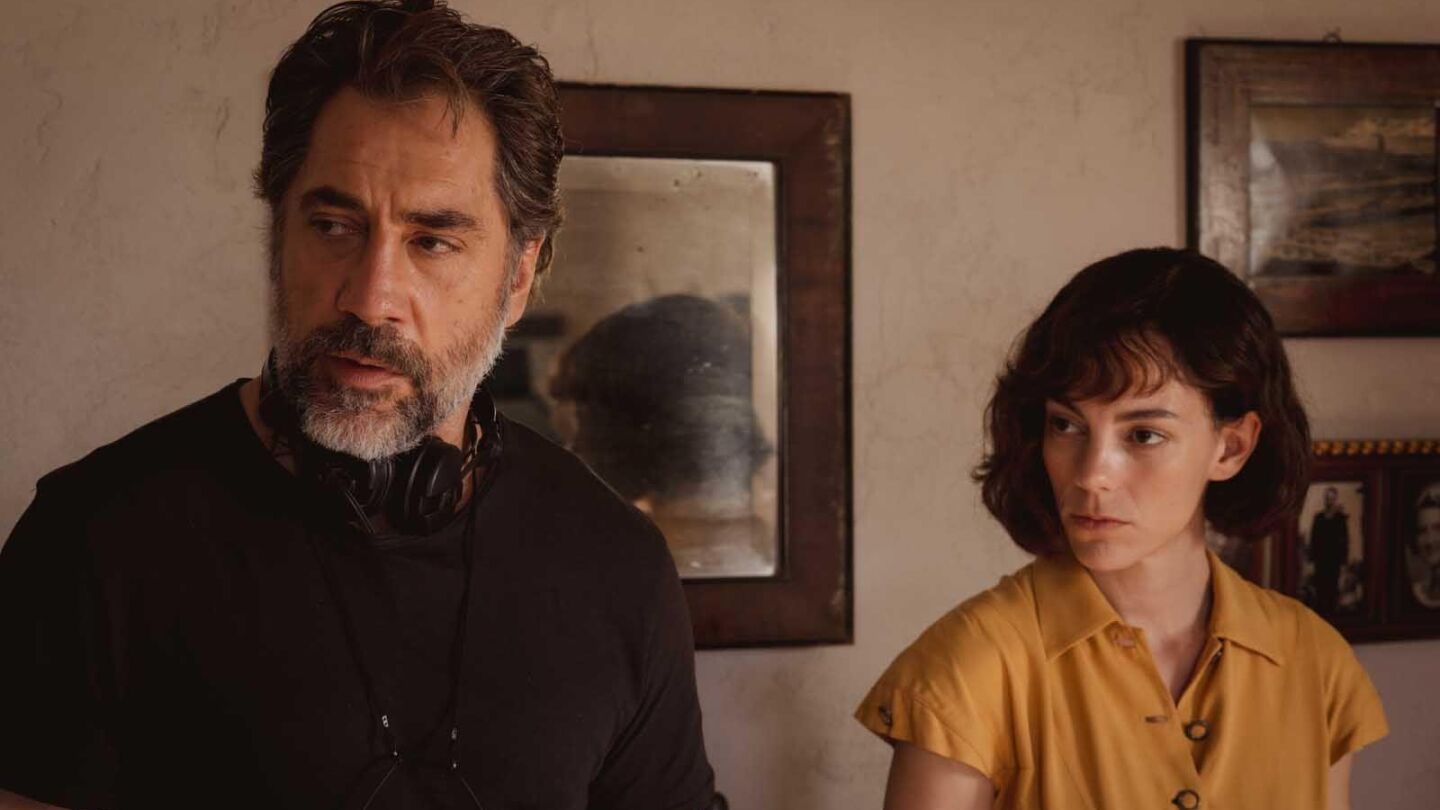
The narrative sees Emilia accept her father's offer in an uncertain effort to relaunch her career, plunging her into a tense film set marked by past memories and unspoken conflict. The movie stands out as one of Sorogoyen's most structurally experimental works, incorporating meta-cinematic elements that detail the daily operations, crew dynamics, and grueling workdays of a film shoot in Western Sahara.
Exploring guilt and narrative control
Guilt serves as a central theme in El ser querido, continuing a recurring motif seen throughout Sorogoyen's filmography. The director noted that living in a Judeo-Christian society instills guilt into cultural perspectives, shaping how stories are constructed regardless of personal religious beliefs.
Sorogoyen contrasted Esteban's guilt with that of Antonio de la Torre's character in El reino, explaining that Esteban constantly tries to control the narrative of his past. Whenever confronted with troubling events, Esteban attempts to rewrite history and alter details to obscure his guilt over abandoning his daughter.
Bardem portrays the character's internal turmoil through silent expressions and subtle gaze, reflecting secrets that contradict his outward control. Sorogoyen and Peña emphasized that the ultimate film remains open to diverse viewer interpretations of family, past mistakes, and reconciliation.