

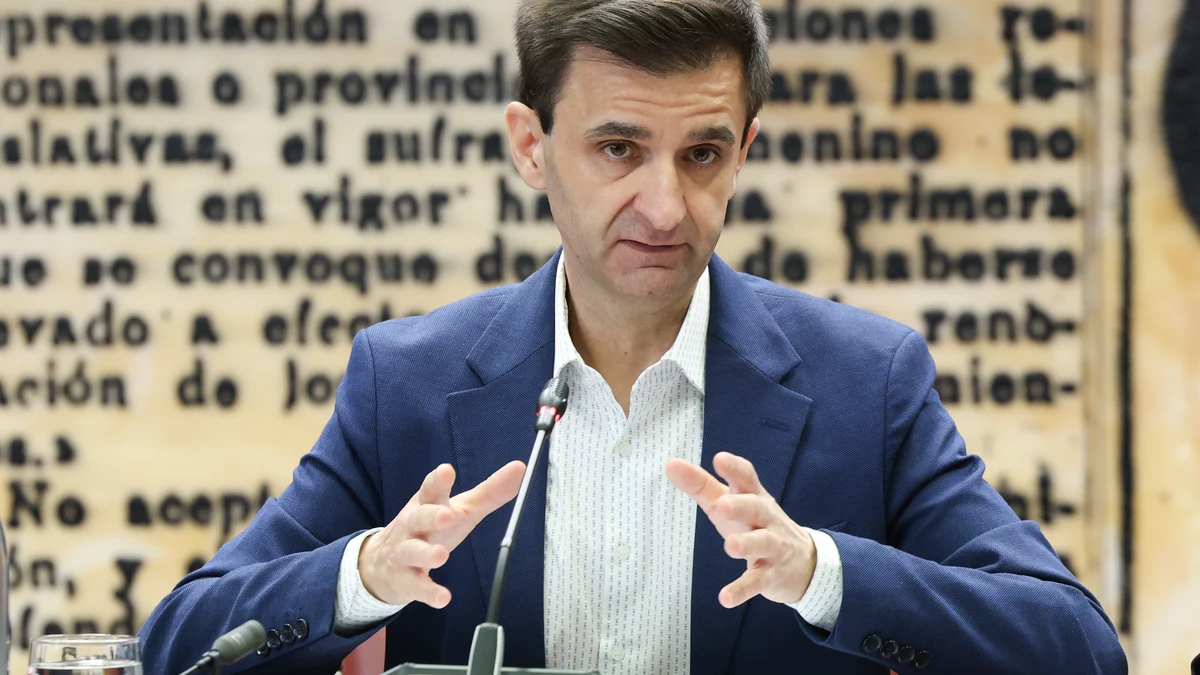
Spanish public broadcaster RTVE president José Pablo López defended the network's reporting on the Ceuta migration crisis before a parliamentary Senate commission on Tuesday.
López rejected allegations that journalists deployed to the North African enclave acted as propaganda, insisting that RTVE teams went strictly to perform journalism during the massive arrival of migrants.
During his appearance before the Parliamentary Joint Control Commission of RTVE in the Senate, López condemned hostility and attacks directed at reporters covering the events on the ground.
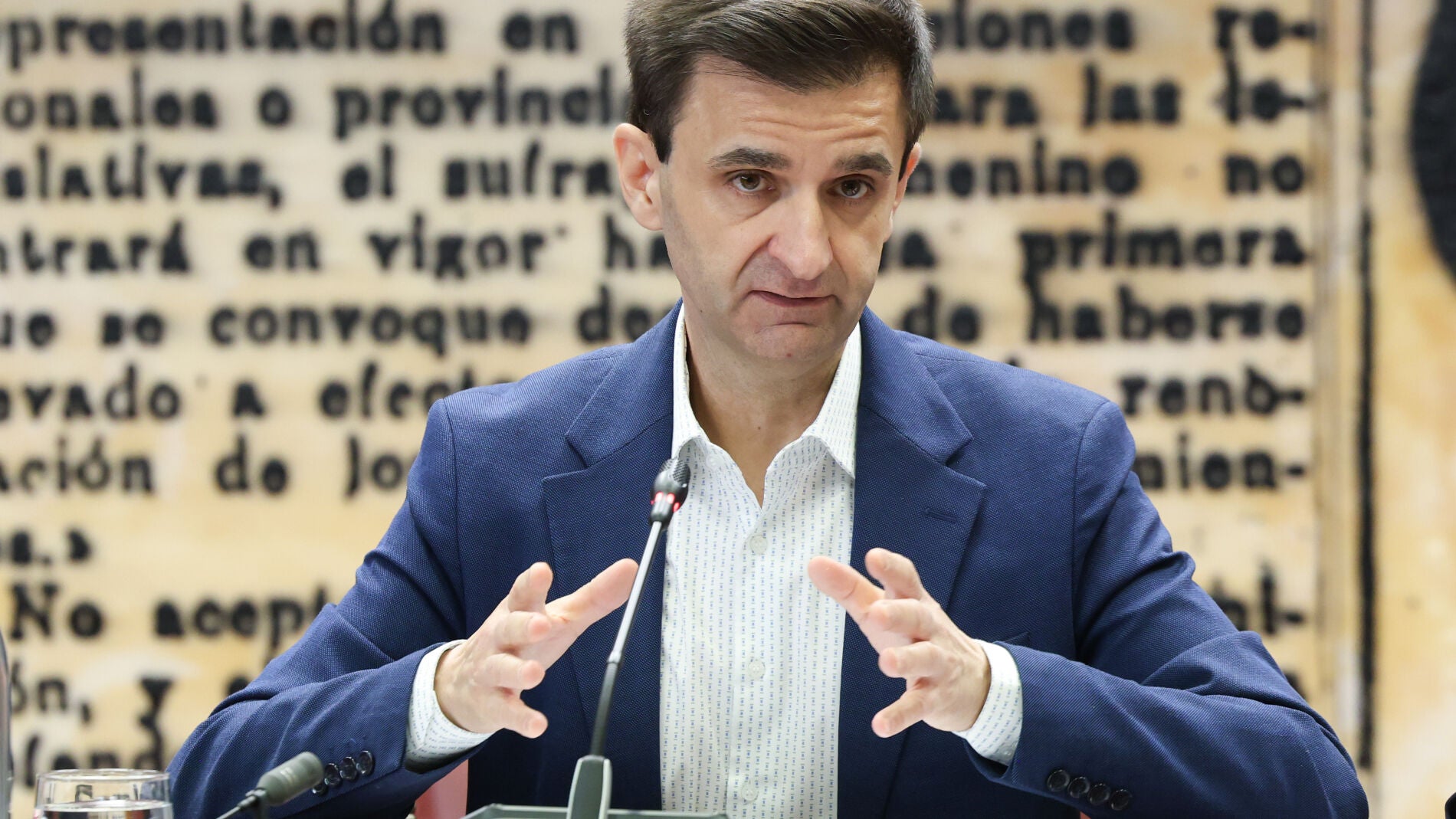
López noted that RTVE news crews experienced severe friction operating in neighboring Morocco, stating that Moroccan authorities showed little sympathy toward the Spanish network. He revealed that several reporting teams were expelled from Moroccan territory while attempting to cover the border situation.
The RTVE head also addressed online claims of an alleged sexual harassment incident involving an RTVE female journalist and a migrant. López dismissed the report as a disgusting hoax, confirming that the broadcaster had directly contacted the reporter involved to clarify the facts and ensure her well-being.
Hostility and International Coverage
Pledging to maintain standard reporting practices regardless of political pressure, López told lawmakers that RTVE would not back down from reporting on events in Ceuta. He stated that his hand would not tremble and promised that RTVE will continue to denounce developments in Ceuta in the same manner it reports on the conflict in Gaza.
Broadcaster Oversight and Eurovision
The parliamentary hearing also included discussion regarding Spain's participation in the upcoming Eurovision Song Contest, though López focused much of his testimony on defending the broadcaster's newsgathering integrity along the southern border.
Background on RTVE and Ceuta
Radiotelevisión Española, known as RTVE, is Spain's national public broadcaster, operating state television networks, radio channels, and digital media platforms. Its editorial independence and operational budget are subjected to parliamentary oversight through the Joint Control Commission of the Spanish Parliament, which convenes regularly in Madrid.
Ceuta is a Spanish autonomous city located on the coast of North Africa, sharing a direct land boundary with Morocco across the Strait of Gibraltar. Because Ceuta and the neighboring enclave of Melilla represent the only land borders between the African continent and the European Union, the region experiences frequent migratory movement and intense international news focus.
The Eurovision Song Contest is an annual international musical competition organized by the European Broadcasting Union. As Spain's member public broadcaster, RTVE is responsible for selecting the nation's entrant and managing Spain's participation in the televised event.