


Freelance reporter Ekaterina Shatskaya compiled five traditional cranberry mors recipes for Lenta.ru on September 22, 2026, offering step-by-step guidance for seasonal homemade drinks.
The comprehensive guide details raw juice pressing methods, harvesting guidelines across Russian regions, culinary pairings, and medical contraindications for the sour-sweet beverage.

Cranberry mors is a traditional berry drink prized as an alternative to store-bought juices during summer heatwaves and winter viral seasons. Making the beverage at home allows total control over sugar content while guaranteeing a pure composition without artificial additives.
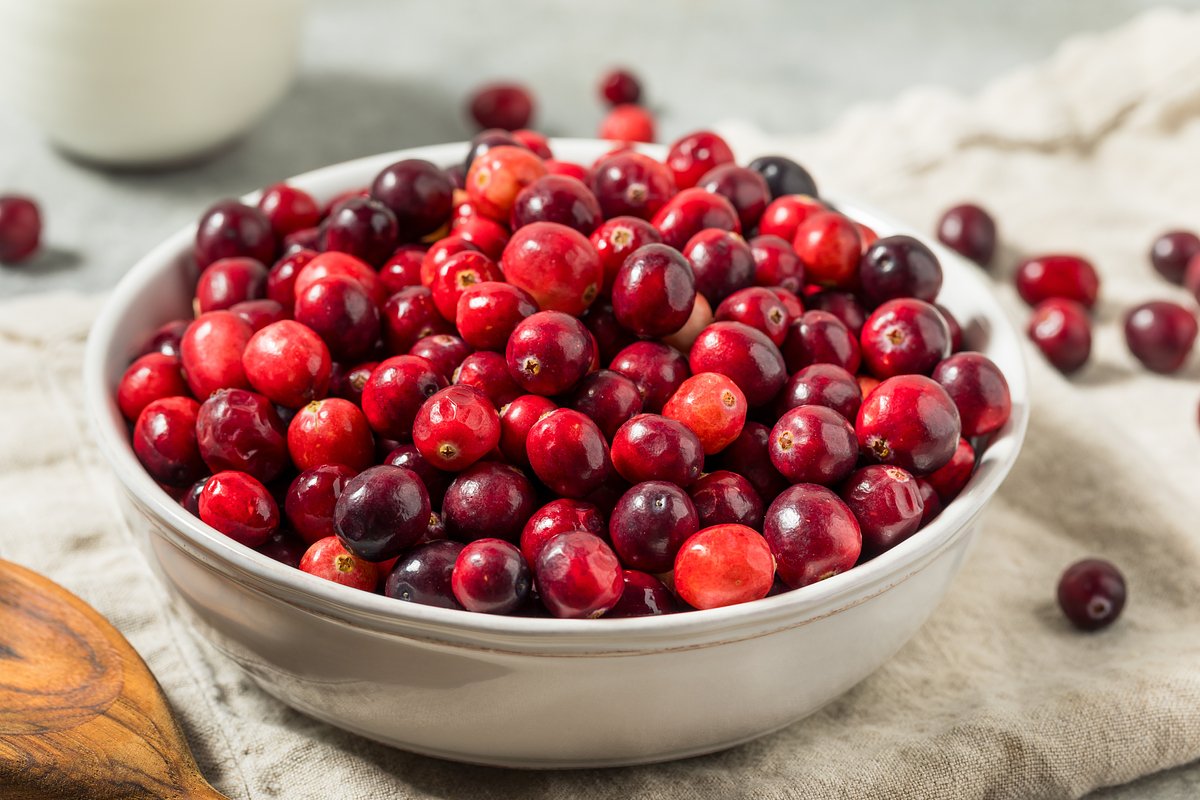
Fresh cranberry harvesting runs from late August through autumn across swampy forests, bogs, and peatlands in regions such as Karelia, Leningrad, Tver, and Murmansk. Selecting high-quality berries requires inspecting their color, which should range from light pink to deep dark red without excess water, sand, or foliage in the packaging.
Horticulturist Nina Ladeyshchikova advised Lenta.ru that large, firm cranberries with uniform dark red coloring yield the best flavor. She warned that soft, wilted, or slimy berries indicate overripeness or decay, resulting in a cloudy and unpleasant drink. When buying frozen berries, consumers should ensure they remain loose inside the bag without large ice crystals, which signal repeated thawing.
Classic Cranberry Mors Recipe

The classic preparation method separates the berries into two portions, keeping the pressed raw juice cold while boiling the remaining pomace. This technique yields a vibrant, aromatic drink while preserving maximum vitamins.
Preparation requires 500 grams of fresh or frozen cranberries, two liters of water, and five to six tablespoons of sugar. If using frozen berries, thaw them at room temperature for 15 minutes before rinsing and sorting.
Mash the cranberries in a deep bowl using a wooden pestle to extract their juice. Strain the raw juice through cheesecloth or a nylon sieve into a glass container and place it in the refrigerator.
Transfer the leftover berry pomace into a saucepan, add two liters of water, bring to a boil, and simmer for five to ten minutes. Strain the hot decoction, stir in the sugar until dissolved, and allow the liquid to cool to a warm temperature before mixing in the reserved cold juice.
Lemon Cranberry Mors Recipe

Adding lemon introduces extra freshness while boosting the vitamin content of the traditional beverage.
Ingredients include 400 grams of cranberries, one lemon, six tablespoons of sugar, and two liters of water.
Squeeze and strain the juice from the lemon, then crush the cranberries and press their raw juice through cheesecloth. Cover the cranberry pomace with water, bring to a boil, and simmer for five to seven minutes.
Stir in the sugar, cool the liquid for 20 minutes, then strain the decoction and mix in both the raw cranberry juice and strained lemon juice before chilling.
Mint Cranberry Mors Recipe

Infusing fresh mint transforms cranberry mors into an ideal cooling beverage for warm summer weather.
The recipe requires 200 grams of cranberries, 50 grams of honey, fresh mint leaves to taste, and one liter of water.
Pour one glass of boiling water over the mint leaves and steep for 10 to 15 minutes. Mash the berries, mix them with the mint infusion, and strain the liquid through cheesecloth.
Stir the honey into the warm mixture until dissolved, then serve chilled over ice cubes with a fresh mint sprig. Ladeyshchikova cautioned that honey must never be added to boiling liquid, as temperatures above 40 to 50 degrees Celsius destroy its natural beneficial properties.
Orange and Spiced Cranberry Variations

Combining oranges with warm spices adds citrus sweetness and aromatic depth to the tart berry drink.
The orange variation uses 300 grams of cranberries, two liters of water, 150 grams of sugar, two oranges, one cinnamon stick, and four whole cloves. Puree or crush the cranberries and press out raw juice through cheesecloth. Zest the oranges, chop the fruit, and squeeze the orange juice.
Place the berry pomace, orange zest, and squeezed orange pulp into a pot with water, bring to a boil, then add the spices and sugar before simmering for three minutes. Let the pot steep under a lid for 15 minutes, strain, cool, and stir in the raw orange and cranberry juices.

A spiced winter version uses 400 grams of cranberries, 1.5 liters of water, two tablespoons of sugar, 10 grams of fresh ginger root, one cinnamon stick, five cloves, five black peppercorns, and a pinch of ground nutmeg. Ginger provides warmth and cold relief, cinnamon aids metabolism, and cloves supply antiseptic benefits.
Crush the washed berries, reserve the raw juice in the refrigerator, and place the pomace into a saucepan. Add cold water, grated ginger, sugar, and all spices, then bring to a boil and simmer for 10 minutes. Allow to steep for 20 minutes under a lid, strain through cheesecloth, mix with cold raw juice, and serve warm.
Serving and Storing Cranberry Mors
Cranberry mors is versatile, served ice-cold with lemon slices or mint in summer, or warm during winter without boiling to protect heat-sensitive vitamins. It pairs well with baked goods and meat dishes, particularly poultry.
Unsweetened fresh mors can be stored in a sealed glass or plastic container in the refrigerator for two to three days. Adding sugar extends storage life up to five days, though it decreases dietary benefits.
Ladeyshchikova noted that mors prepared with honey can ferment over time and should be consumed within one to two days. If bubbles form, the drink turns cloudy, or a sour smell develops, it has spoiled and must be discarded. Freezing finished mors is not recommended.
Preparation Rules and Health Guidelines
Mors can also be prepared without boiling by mashing berries, combining them with cold boiled water, adding sweetener, and chilling in the refrigerator for two to three hours. This unheated method retains maximum vitamins but reduces shelf life to 24 hours.
Sugar can be replaced with honey added to warm liquid, stevia, or Jerusalem artichoke syrup. Cranberries also combine well with lingonberry and guelder rose for tartness, or with raspberry, blackcurrant, and apple, though sourer fruits require additional sweetener.
Cookware selection is critical because cranberry acid reacts with metal, creating an unpleasant metallic taste. Cooks should use glass, enameled, or plastic vessels, crushing berries with wooden or silicone pestles and straining through cheesecloth or nylon sieves into glass bowls.
Bitterness in mors stems from overripe or improperly frozen berries, or crushed seeds. Cranberry juice provides rich vitamin C and antioxidants that strengthen immunity, slow aging, reduce inflammation, and support urinary tract health. However, mors is contraindicated for individuals with stomach ulcers, high-acidity gastritis, kidney stones, or liver conditions, while patients on blood thinners should use caution.


