

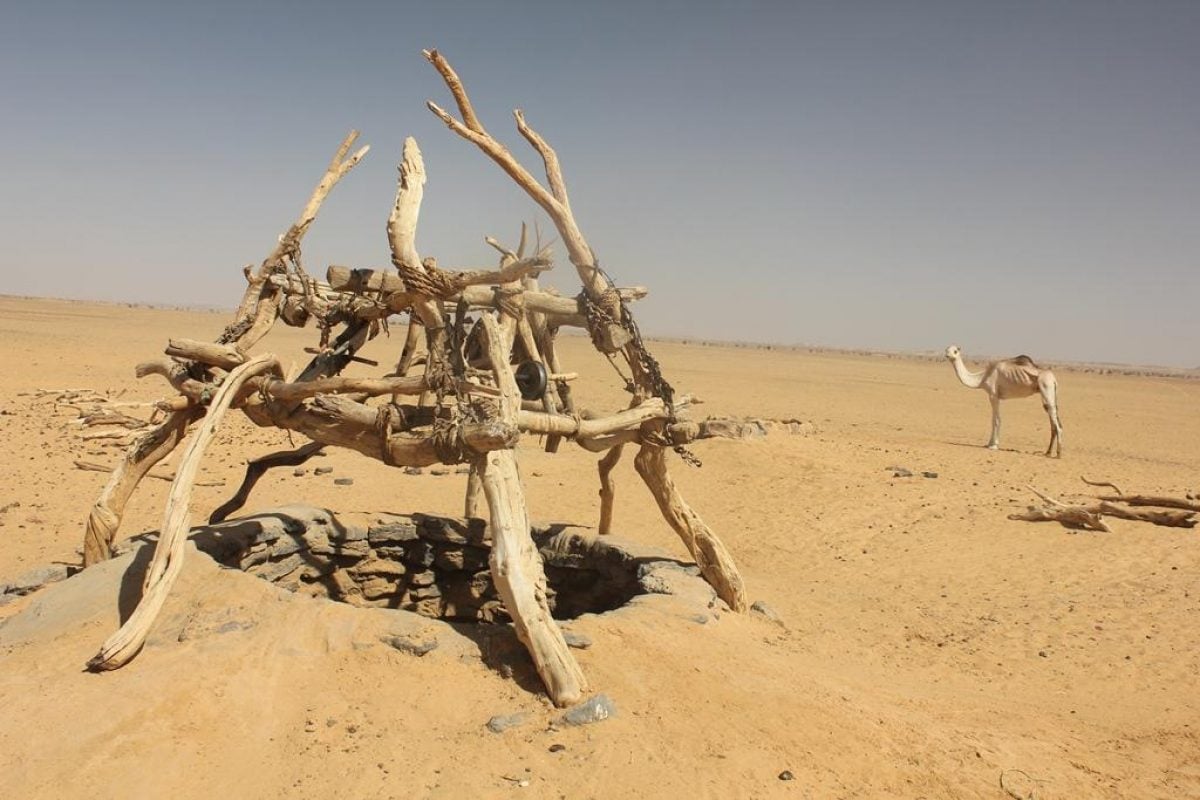
Vast reserves of ancient rainwater dating back almost a million years lie deep beneath the sands of the Sahara desert, Ecoticias reported. The water fell during greener periods in the history of North Africa and still fills sandstone formations under one of the driest regions on Earth.
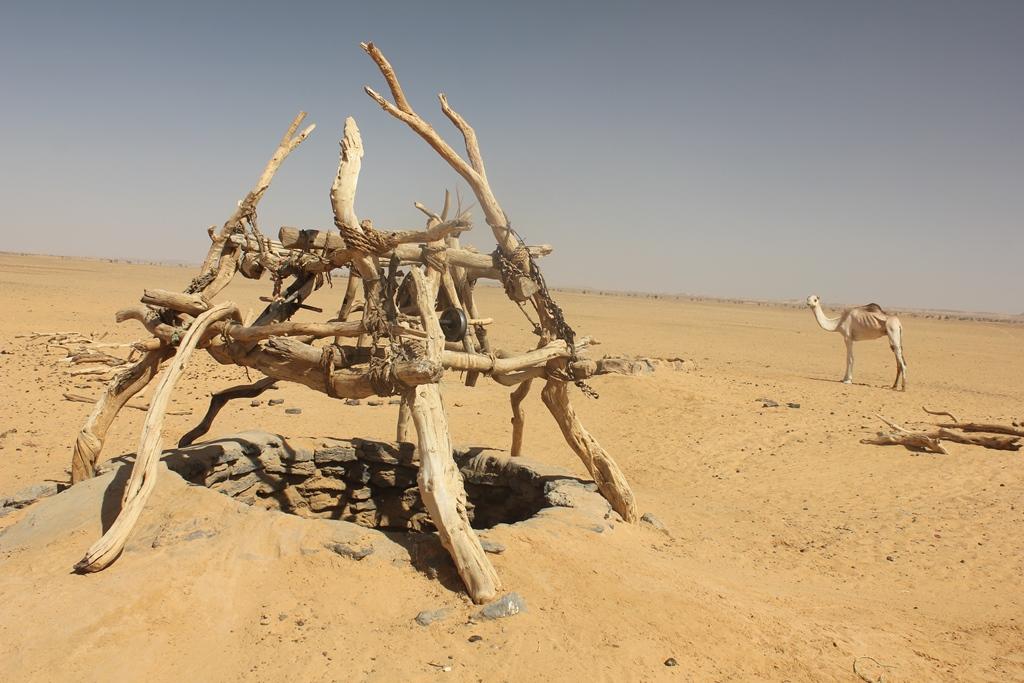
The water sits in several aquifer systems rather than a hidden subterranean ocean, and it remains difficult to access. Deep catchments within these rock layers have held the ancient water supply for hundreds of thousands of years.
Groundwater reserves across Africa
Alan MacDonald of the British Geological Survey led an assessment of groundwater reserves across Africa in 2012. The study found that the continent holds more than 650 cubic kilometers of groundwater, with the largest volumes concentrated in sedimentary aquifers under Libya, Algeria, Egypt, and Sudan.
Most of the underground water is trapped inside the smallest connected pores between grains and cracks in rocks, acting much like a water-soaked kitchen sponge. An aquifer can hold a massive amount of water but release it very slowly because water movement depends on both rock porosity and permeability.
Nubian sandstone aquifer system
The most famous formation is the Nubian Sandstone Aquifer System, which covers over 3 million square kilometers beneath Chad, Egypt, Libya, and Sudan. It is recognized as the largest known fossil water aquifer system in the world. A second major aquifer system lies to the west, spanning parts of Algeria, Tunisia, and Libya.
Scientists determine the age of underground water by testing dissolved chemicals and rare radioactive isotopes that decay at known rates, acting as internal clocks. A 2020 age analysis of sections of the Nubian groundwater confirmed that some of the water has remained trapped beneath the Sahara for nearly a million years.
Climate change and water scarcity
Separate environmental reports note that climate change already threatens water supplies in other regions, including Ukraine. If global warming fails to slow down, river runoff in Ukraine could fall by 25 percent or more, with southern and eastern areas facing the highest risk of shortages.


